- News
- Health
Father-of seven William Chapman only discovered he had deadly pulmonary fibrosis when his GP – who thought he already knew his prognosis – mentioned it during a phone call
Jane KirbyThursday 04 December 2025 00:40 GMT
 CloseDoctor's phone rings in Commons as MP raises concerns over GP phone lines
Sign up for our free Health Check email to receive exclusive analysis on the week in health
Get our free Health Check email
Get our free Health Check email
Email*SIGN UPI would like to be emailed about offers, events and updates from The Independent. Read our Privacy notice
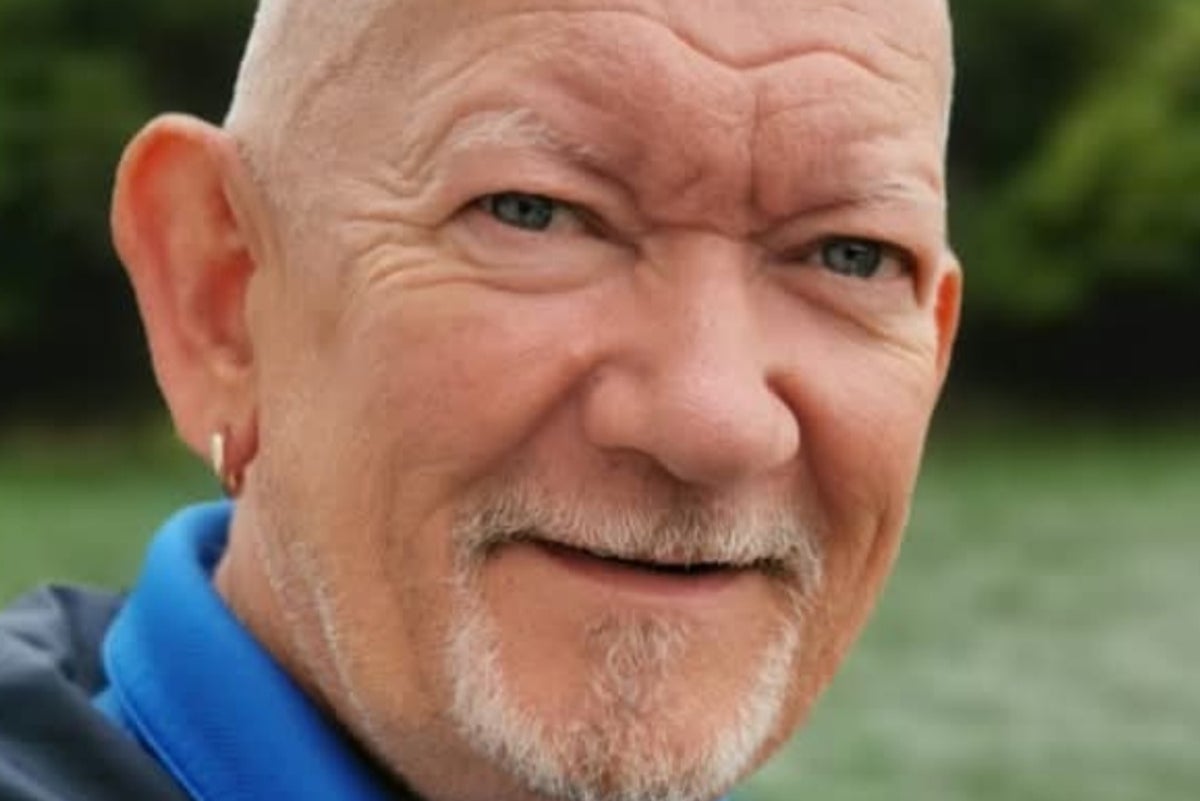
Doctors failed to tell a father-of-seven he was terminally ill and instead told him he would be ok, an investigation has revealed.
William Chapman, known as Syd, only learned he had deadly pulmonary fibrosis when his GP, mistakenly believing he was already aware, mentioned his prognosis during a phone call.
Mr Chapman passed away eight months later.
A probe by the Parliamentary and Health Service Ombudsman (PHSO) has since found a "worrying lack of accountability" at the Countess of Chester Hospital, citing failures in record-keeping, engaging with Mr Chapman’s family and learning from errors.
Mr Chapman, 58, from Upton, Cheshire, was a grandfather-of-16 and died in 2022.
He was admitted to hospital in July 2021 with deteriorating shortness of breath and was diagnosed with Covid-19. He also had further tests.
A few months later in September, a junior doctor told him there was nothing to worry about and reassured him he would be OK, despite not having evidence that this would be true.
In November, Mr Chapman was seen by a consultant who noted in a letter to his GP that he had pulmonary fibrosis.
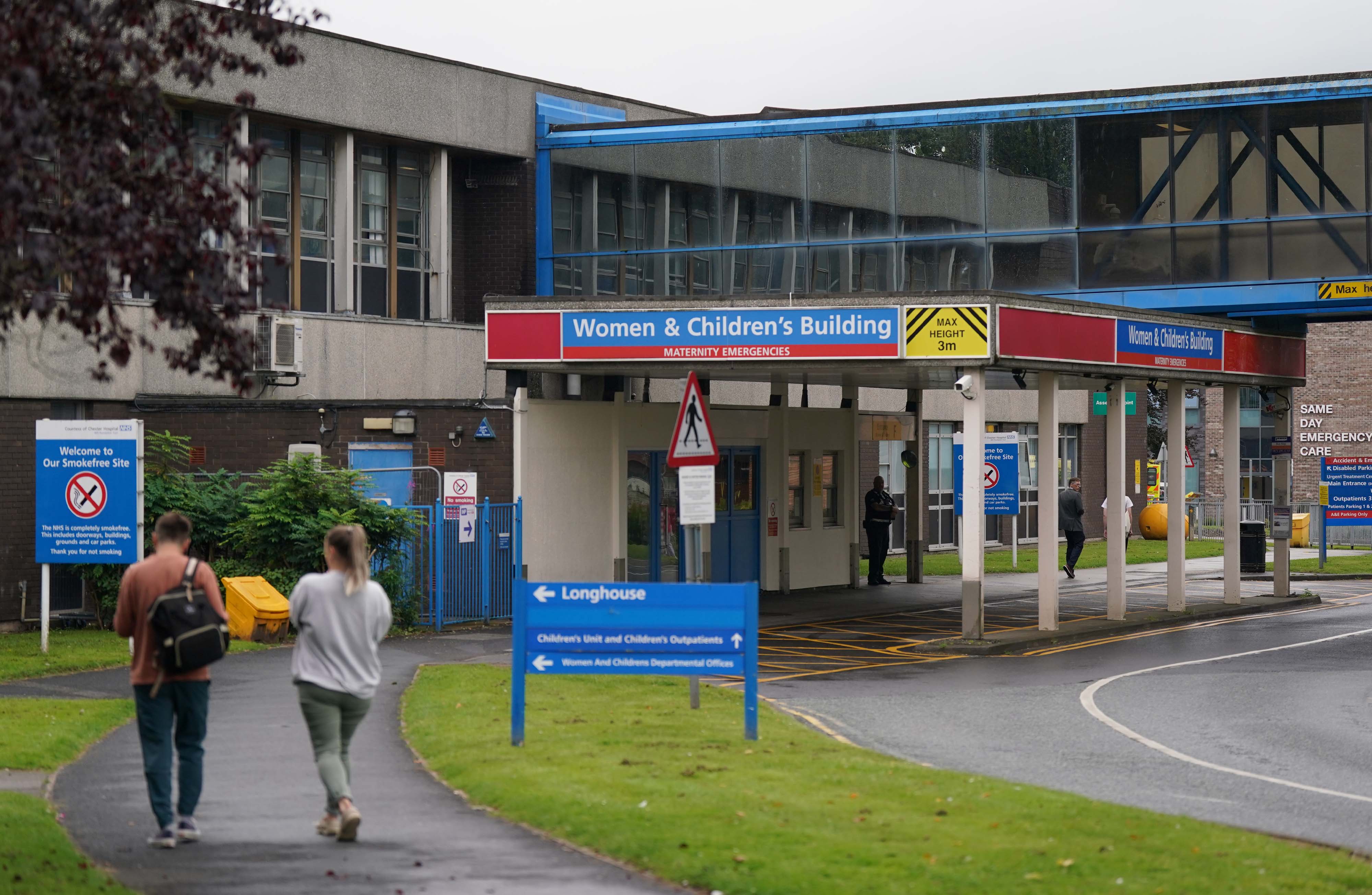 open image in galleryA PHSO probe found a "worrying lack of accountability" at the Countess of Chester Hospital (Jacob King/PA Wire)
This condition involves a thickening and scarring of lung tissue, and it worsens over time.
This makes it harder for the lungs to function, leading to increasing shortness of breath and a dry cough.
There is no cure for the condition and treatments can only work to relieve symptoms and slow it down a little.
In Mr Chapman’s case, the consultant did not send him a copy of the letter or tell him about the diagnosis as they should have.
Mr Chapman’s daughter Chantelle, 32, said: “We feel completely let down by the Trust.
“My dad thought he was going to get better, because that’s what they led him to believe. Because of that he carried on working, even though it was a struggle for him.
“If he had known the truth, he would have given up work and made the most of the time he had left with his family.
“By the time he was given the information to make that decision he was too poorly to work anyway, he was practically bed-bound. We all lost that time to spend together.
“It was such a rollercoaster. This has affected all of us and we’ve all lost our trust in the NHS.
“A relative offered to pay for my dad to have treatment privately, but he had such faith in the NHS that he turned it down.
“Medical staff have a duty of care to tell patients what is really happening. It was very traumatic for us all to lose him after being told that he would be fine.”
The PHSO ruled that if Mr Chapman, who served in the Royal Irish Rangers, had been told his prognosis, he would have been able to make informed decisions about his health.
As it was, he was not prepared when later told the extent of his condition.
The PHSO also found hospital staff failed to listen to Mr Chapman’s family and there was poor or no record-keeping of some consultations.
 open image in galleryA Countess of Chester Hospital NHS Foundation Trust spokesperson apologised to Mr Chapman’s family (PA Wire)
The Countess of Chester Hospital NHS Foundation Trust took over a year to respond to the family’s complaint, did not adequately investigate what happened or acknowledge all its failings, it said.
The Trust also failed to properly acknowledge the impact its failings had on Mr Chapman and his family and to learn from what had happened.
The PHSO found no failings in clinical care.
Rebecca Hilsenrath KC, chief executive officer at PHSO, said: “This disturbing case highlights the importance of effective communication and the consequences of getting it wrong.
“When you hear this kind of diagnosis in this kind in this way, you lose a sense of dignity and the opportunity to make your own decisions about how to live your life.
“The family’s trauma was compounded by their treatment during the hospital’s internal complaints handling.”
She said a previous PHSO report highlighted “too little accountability and too much defensiveness in the NHS”, adding there needs to be a “cultural shift starting from the top down to improve patient safety and avoid further harm”.
Of Mr Chapman’s case, she added: “We found some poor record keeping which can affect a Trust’s ability to understand the impact of what happened and to take appropriate steps to prevent it from reoccurring.
“Poor quality investigations and unacceptable delays in responding to complainants are issues we have highlighted before in the NHS.
“We routinely see Trusts fail to accept errors or acknowledge the impact, which causes complainants more distress at what is already a difficult time.”
The trust has complied with a recommendation to apologise, make service improvements, improve its record keeping, and pay Mr Chapman’s wife £1,200.
A Countess of Chester Hospital NHS Foundation Trust spokesperson said: “We apologise unreservedly for the experiences of Mr Chapman and his family.
“We fully accept the findings and recommendations of the Ombudsman and will continue to embed the improvements.”