Credit: Lucas Gouveia / Android Police
 By
Mark Jansen
Published 37 minutes ago
Mark has almost a decade of experience reporting on mobile technology, working previously with Digital Trends. Taking a less-than-direct route to technology writing, Mark began his Android journey while studying for a BA in Ancient & Medieval History at university. But since then, he's cast his eyes firmly on the future, with a deep love for anything that bleeps or bloops.
Outside of Android tech of all types, Mark loves to hike, play video games, build small plastic men that cost far too much, and spend time with his two daughters.
Sign in to your Android Police account
Summary
Generate a summary of this story
follow
Follow
followed
Followed
Like
Like
Thread
Log in
Here is a fact-based summary of the story contents:
Try something different:
Show me the facts
Explain it like I’m 5
Give me a lighthearted recap
By
Mark Jansen
Published 37 minutes ago
Mark has almost a decade of experience reporting on mobile technology, working previously with Digital Trends. Taking a less-than-direct route to technology writing, Mark began his Android journey while studying for a BA in Ancient & Medieval History at university. But since then, he's cast his eyes firmly on the future, with a deep love for anything that bleeps or bloops.
Outside of Android tech of all types, Mark loves to hike, play video games, build small plastic men that cost far too much, and spend time with his two daughters.
Sign in to your Android Police account
Summary
Generate a summary of this story
follow
Follow
followed
Followed
Like
Like
Thread
Log in
Here is a fact-based summary of the story contents:
Try something different:
Show me the facts
Explain it like I’m 5
Give me a lighthearted recap
Just as soon as it was pitched as the future, it seems that ultra-thin phones are already dead.
Sales of the Samsung Galaxy S25 Edge aren't great, causing Samsung to roll back plans to replace the S26 Plus with the S26 Edge, and discounting the S25 Edge pretty heavily.
Rumors say that even the mighty Apple's iPhone Air is struggling, causing it to delay a second Air model — though poor sales may not be the reason why.
There are obviously fans of thin phones, but I am not one of them, and if sales are to be believed, chances are you aren't either. Good riddance, I say.
As many advantages as a thinner phone has, there are a number of areas where time and money would be better spent.
Here are five of the most important to me, which I think will take phones to the next level.
Larger batteries

Very few of us would change from a smartphone to a "dumb" feature phone these days.
The allure of apps, access to the entire internet, excellent cameras, and everything else we get from those little glass slabs is simply too large.
Still, there's one area where we all remember feature phones with fondness: The enormous battery lives.
Everyone loves a strong battery life, and while we all have different metrics for judging our phone's longevity, very few of us will complain if a phone delivers more than we were expecting.
In recent years, battery capacities of flagship phones in the West have largely stalled around 5,000mAh. This is a solid size, but the increasing demands of hardware and apps are starting to take their toll on how far your phone can go on a charge.
But this is largely just a problem in the West. In other markets, device batteries have been steadily increasing in size.
The recently released OnePlus 15 has made most popular flagship phones look a bit silly, thanks to a massive 7,300mAh battery.
With the potential to last almost three days while still touting flagship hardware, the OnePlus 15 has shown the way forward.
This is basically the opposite ideology from a thin phone, as it requires a phone to have a certain amount of thickness and weight. And while we all love a big battery, nobody wants a comically thick or heavy device.
But it doesn't have to be; the OnePlus 15 is lighter and thinner than the Galaxy S25 Ultra, despite packing almost 50% more battery.
More capable cameras

While it matters to some of us more than others, a strong smartphone camera is a must-have for most of us.
Whether you're a budding photographer or just need to take quick snaps of business documents, we all want our images to come out clean and crisp.
And to be absolutely fair, that's the case for 99% of modern smartphones. But there's always room to improve, whether that be in hardware or software.
Main camera lenses are generally up to snuff these days, and telephoto lenses are too, but there could definitely be some improvements made to ultra-wide lenses.
In general, the lens you rely on to take pictures of wide landscapes or group shots tends to lag behind other lenses, and it shouldn't.
But that's a fairly small improvement. For my money, time is better spent on improving camera software.
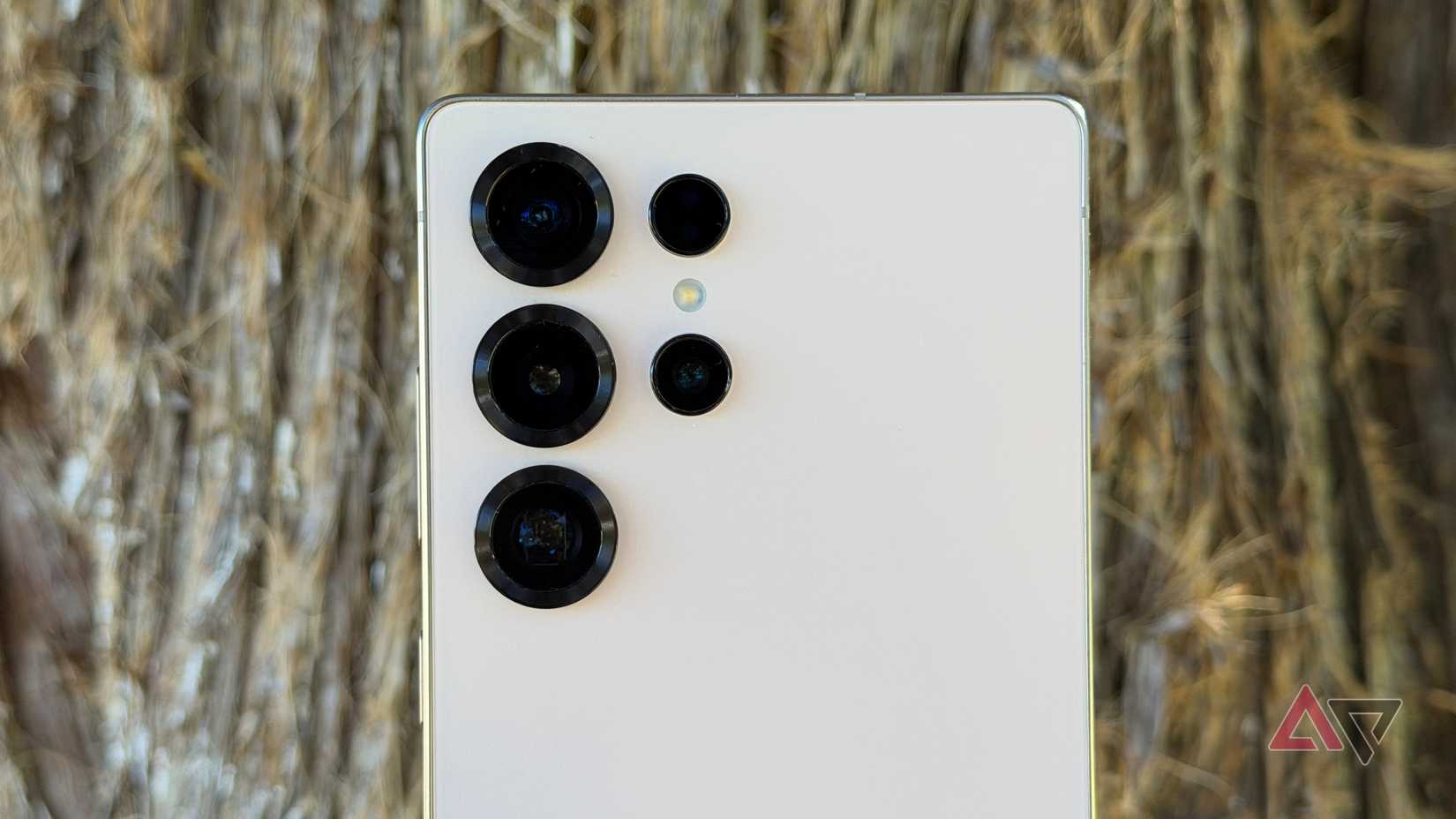
Smartphone cameras have shown how much you can rely on software to tune a good image into a great one.
The early days of the Google Pixel revolved around this, as its strong software allowed a single 12MP lens to punch up to heavyweights with more camera lenses and megapixel counts.
Google has since moved on, but not before adding more utilities to its smartphones, like Pro Res Zoom, Night Sight, and Astrophotography.
Google has its own special heft where software is concerned, due to, y'know, owning the Android operating system.
But a number of these features aren't beyond other manufacturers. I'd like to see them put a bunch more effort into these sorts of features, especially since even less powerful chips should be able to manage to run them now.
Cheaper folding phones

A lot of us still think of folding phones as new. I know I do — so it's always a surprise when I'm reminded that the first generation of Galaxy Fold came out in 2019.
It's been over six years since the very first foldable phone, and while the tech has certainly moved on, prices for foldable phones haven't really dropped past what you'd pay for a premium phone.
Sure, you can buy older versions of foldable phones and find a bargain if you're willing to buy pre-owned — but there's a massive gap in the market for a truly affordable foldable phone.
Motorola has come the closest with its flip Razr phones, with the lower-powered versions starting at around $700. But we can do better, right?
Shooting for a budget foldable is a little silly at this point, but there's no reason why we can't get a much cheaper foldable Galaxy Z Fold, or some sort of other book-fold device.
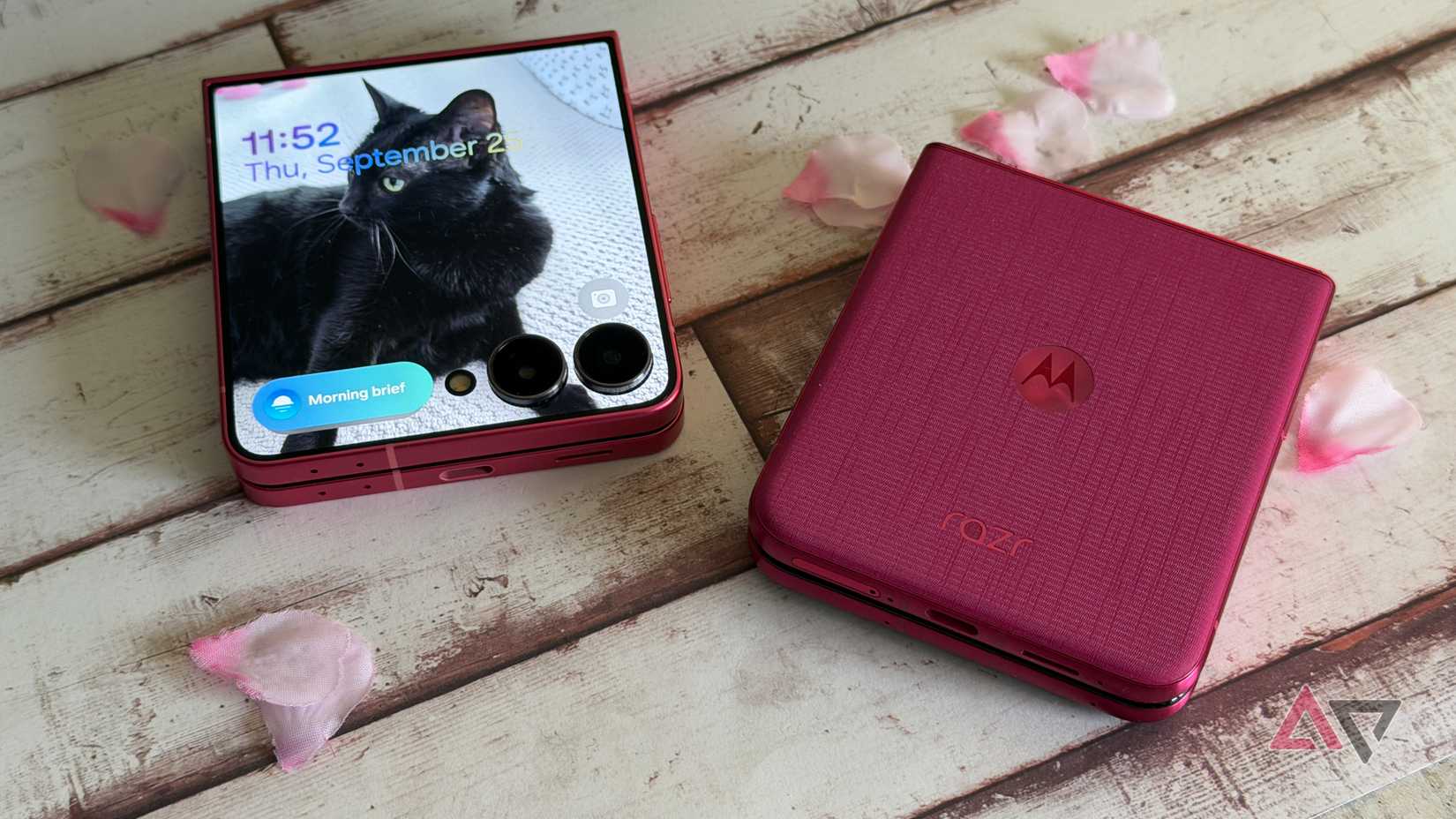
Key to this will be making a book-fold, like the Z Fold 7, rather than a clamshell. Yes, the clamshells are cool too, but it's the book-folds that contain the truly impressive tech, and it's the style I'd most like to see become a lot more available.
Honestly, I thought this would have happened by now.
If foldable devices truly are the future of smartphones (and they should be, they're fantastic), then they need to be available to a much wider number of people.
It can't just be people willing to drop $2,000 on a device getting in on the action, because you're never going to hit significant numbers that way.
Get those prices down, and experiment with cheaper hardware and lower prices.
Making everything just that bit smoother
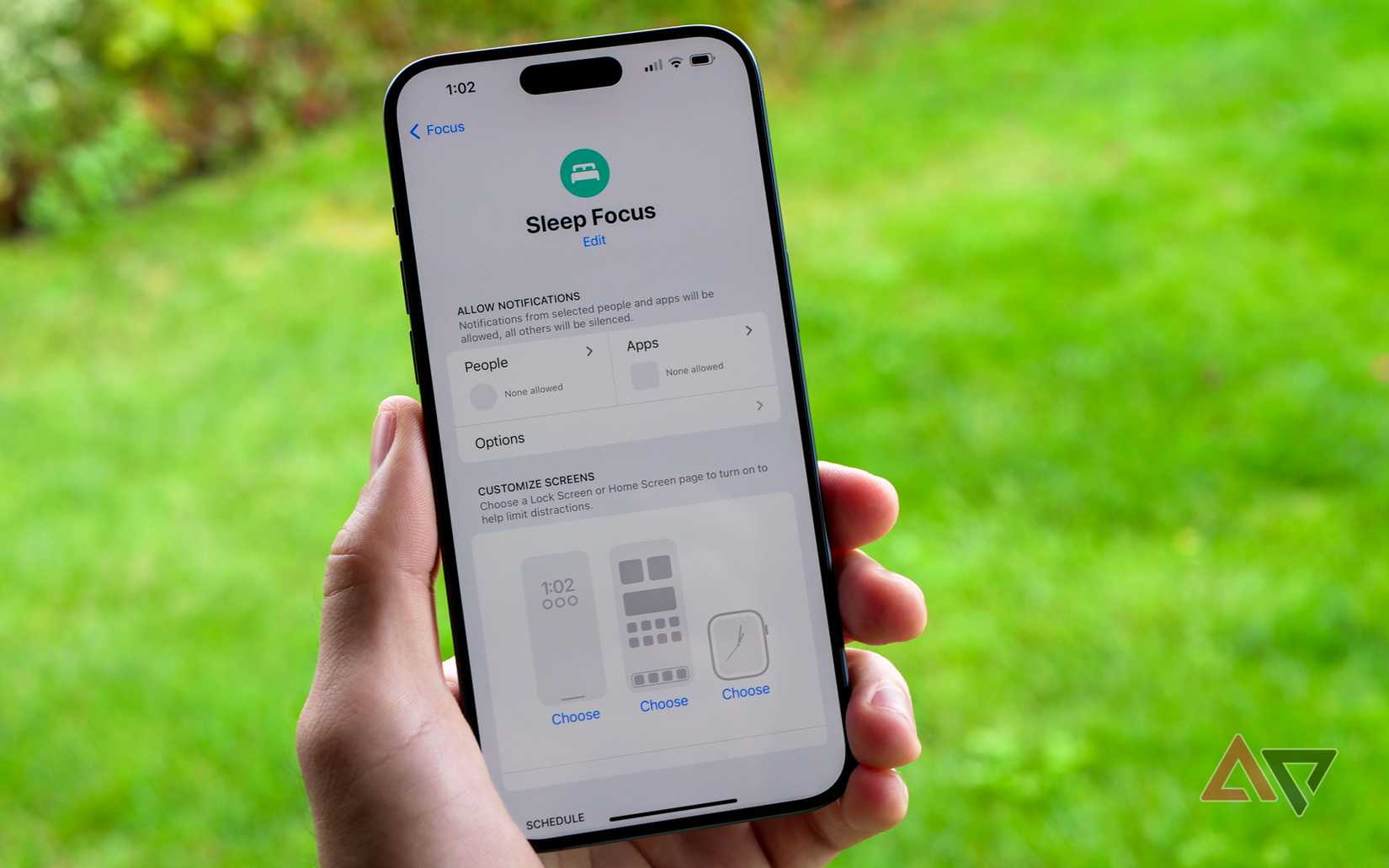
For an everyday user, the most apparent difference between a premium device and a cheaper one isn't performance in games, it isn't how well the camera performs at night, or even how long the battery life is — it's how smooth it feels.
A smooth operating system is a joy to use, and it makes a massive difference to all of your phone usage.
I don't just mean the refresh rate, by the way. Most, if not all, modern Android devices come with a refresh rate of about 60Hz these days. And that's great — but it's not what I mean.
In a past moment of weakness, I used an iPhone 15 as my daily driver.
It turns out iOS really isn't for me for a variety of reasons, but one thing I did notice was the iPhone 15's refresh rate. Or, more aptly, it was what I didn't notice.
The iPhone 15, despite being limited to a 60Hz refresh rate, felt smoother than most Android phones I'd used with a 90Hz or 120Hz refresh rate.
The iPhone 15 does have a significant power advantage, but it doesn't just come down to processor strength. Instead, it's clear that there's been a real effort on the operating system side to make this work obscenely smoothly.
This might not be as possible for anyone who doesn't have as intimate a link to a phone OS like Apple or even Google has — but I really, really want them to try. Because almost all Android phones could do with a bit of a tune-up where smoothness is concerned.
Heck, package it as "One UI Smooth" or something to justify the money spent with a marketing boost. But please, spend the money here, rather than on making phones thinner.
More AI — but only the useful stuff
 Credit: Lucas Gouveia / Android Police | Google
This one's a given. We know that every phone manufacturer is currently looking for ways to jam AI into just about every bit of our phones.
But rather than giving us just more rubbish chatbots and worse autocorrect, manufacturers need to focus on the stuff that actually does make our lives better and easier.
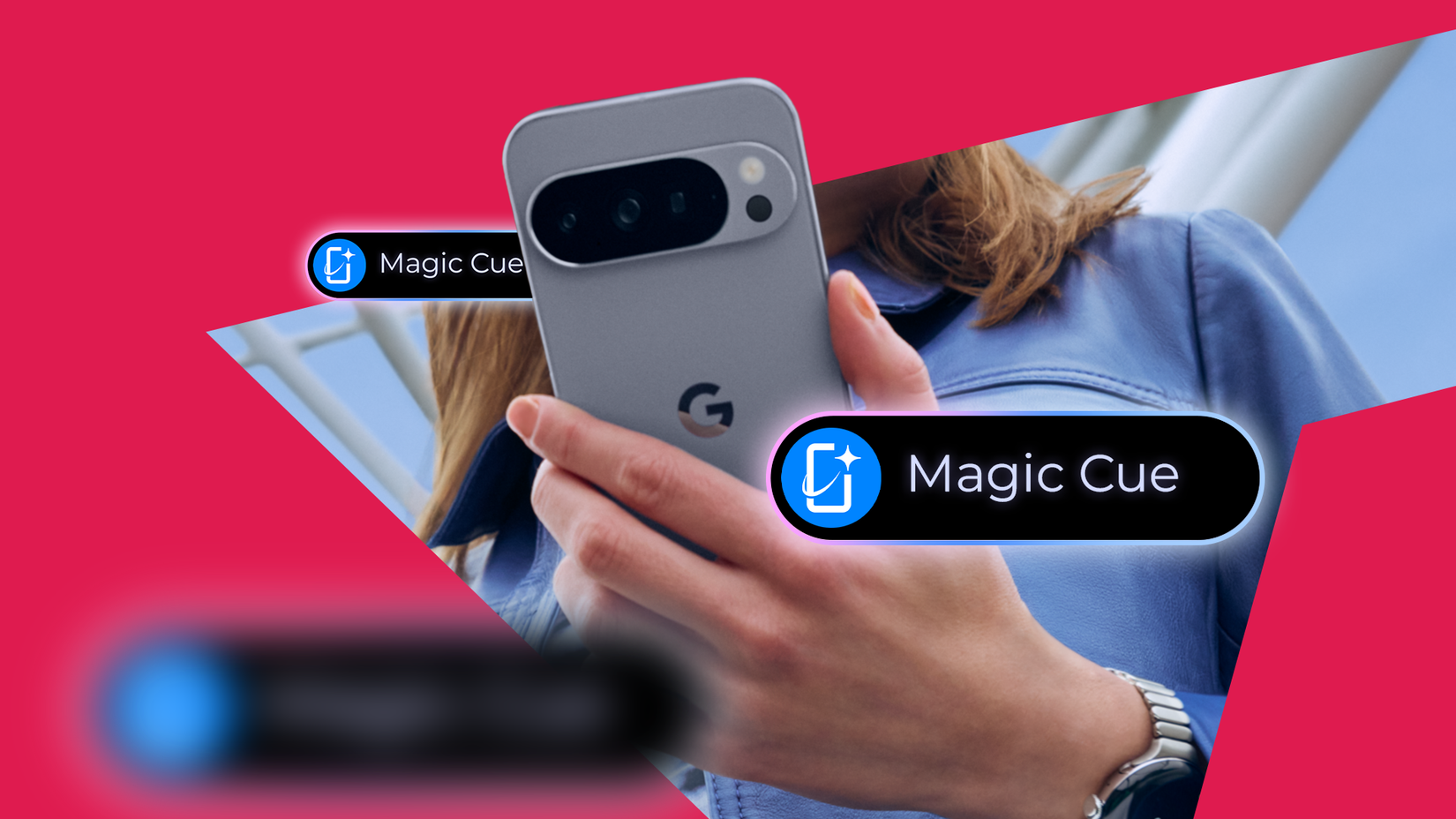
Magic Cue would be my showcase for an AI feature that's actually useful. So is the AI-powered call recorder that transcribes your conversation, and the assistant that scopes out nuisance calls for you.
AI may or may not be in our future, depending on what happens with the bubble. But if it is, it needs to be invested in tools that actually make our lives easier, rather than curiosities that we forget about the moment we leave the app.
-
 Phones
We want to hear from you! Share your opinions in the thread below and remember to keep it respectful.
Be the first to post Images Attachment(s) Please respect our community guidelines. No links, inappropriate language, or spam.Your comment has not been saved
Send confirmation emailThis thread is open for discussion.
Be the first to post your thoughts.
- Terms
- Privacy
- Feedback
 3 days ago
How to see how much you've spent on Amazon
 2 days ago
Missing Univision on YouTube TV? The channels are finally returning now
 3 days ago
This handy Google Chrome desktop feature is coming to Android
 3 days ago
Android Auto is finally starting to feel like Android again
Trending Now How to update your phone number on your Google account
 Apple is poised to topple Samsung as world's top phone manufacturer
 Gemini 3 is in high demand, and Google’s free tier can’t keep up