The Independent's journalism is supported by our readers. If you submit a form or click links to other sites on this page, we will earn commission.
- Home improvement
Our guide breaks down the typical cost of double glazing, what affects the price and how to compare quotes with confidence
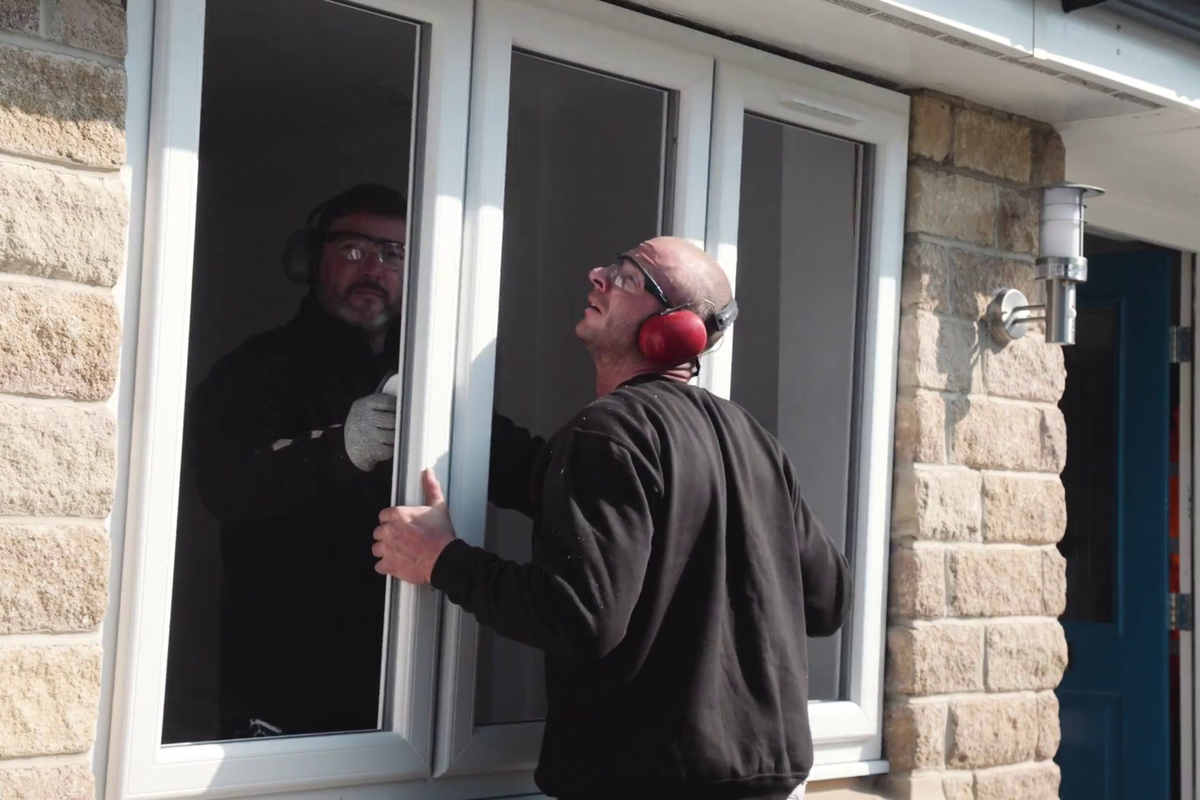
Howard MustoeEnergy EditorMonday 24 November 2025 12:16 GMTComments open image in galleryAccording to our own research, a set of eight basic uPVC casement windows should cost around £4,500 (Coral Windows)
If your windows are starting to age, or you’ve moved into a new home that needs an upgrade, new double glazing can be one of the most effective ways to improve comfort and energy efficiency. But the first question most homeowners ask is the same: how much does it actually cost?
Getting a straight answer isn’t always easy. Window prices are rarely listed online, largely because UK homes don’t have standard window sizes and every installation varies by frame material, glazing type and the condition of the existing units. That lack of transparency can make it harder to compare quotes and, in some cases, leaves room for installers to inflate prices.
Get a quote for double glazing on your home
Use our comparison tool to get a range of free quotes from leading UK window installers.
To make things simpler, we’ve gathered average double glazing prices for a typical three-bedroom home, based on quotes from trusted UK installers. These figures provide a realistic starting point, even if your property is smaller or larger. Just remember, factors such as frame material, colour, and style can all affect the final cost, with bespoke finishes or non-uPVC windows often priced at a premium.
How much does it cost to double-glaze a three-bed house?
Double-glazing a three-bed house in the UK can cost between £4,000 and £7,000, according to Pontefract-based Value Doors & Windows, although you can spend much more than that depending on what options you decide to go for.
Yorkshire-based Coral Windows says £4,500 to £6,000 is possible, again depending on colour, finish and options.
According to our own research at The Independent, for a set of eight basic uPVC casement windows on the average three-bed house, £4,500 is the target price you should be aiming for.
UPVC windows tend to be the most economical, with timber and aluminium costing more – £14,000 and £9,600, respectively.
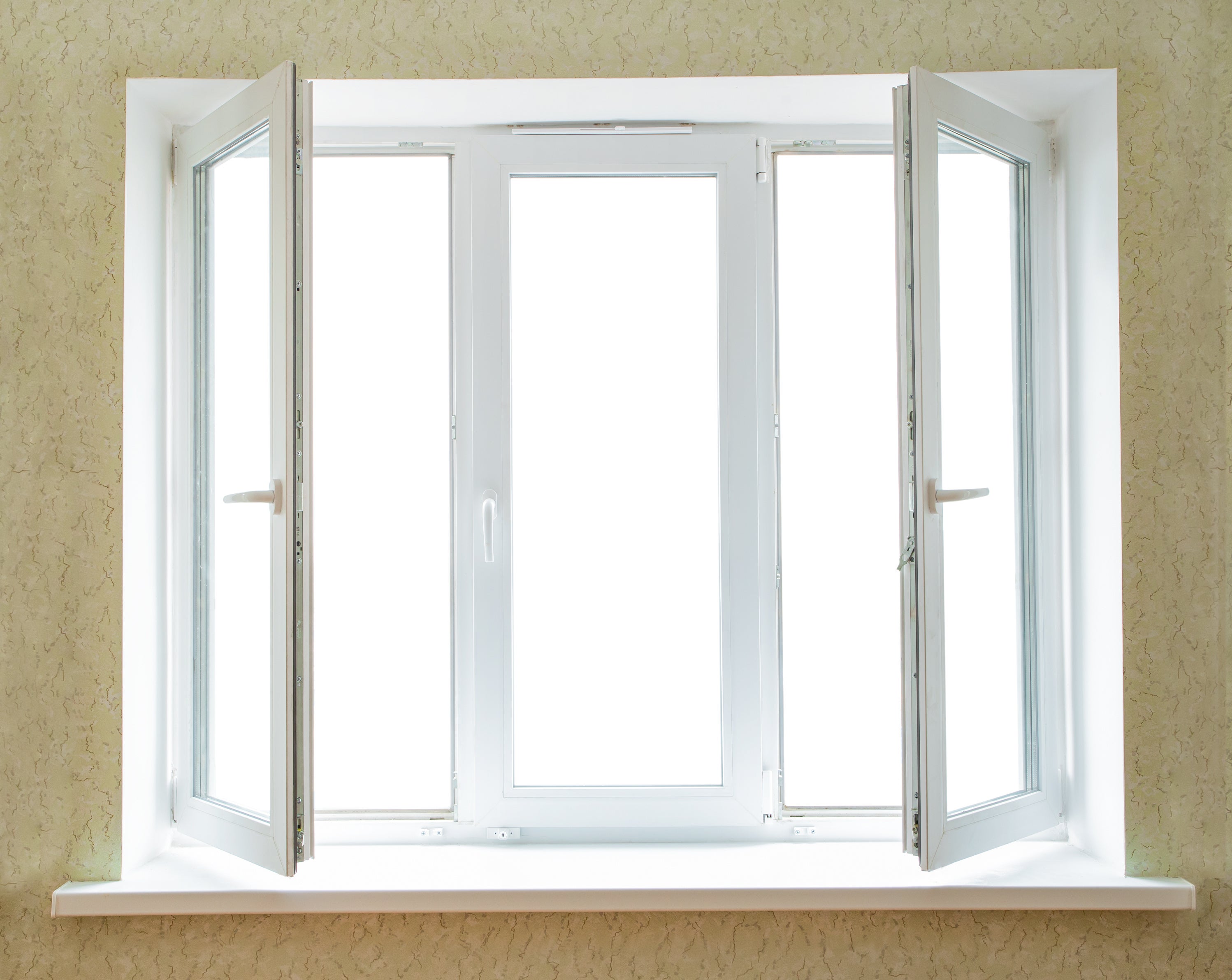 open image in galleryuPVC casement windows are the cheapest and amongst the most common windows (lena_zajchikova - stock.adobe.com)
It’s important to reiterate that being in a remote location, having very large or odd-shaped windows, or opting for extras such as different colours or tougher locks will inflate this figure.
According to industry data, smaller flush casement windows of 60x90cm cost about £480, while bigger ones of 94x160cm may be up to £700.
How much does it cost to double-glaze a three-bed terraced house?
Terraced homes are typically smaller and so may have smaller, if not fewer, windows.
This means that the window frames themselves will be smaller and cost less, although labour costs will not decrease that much.
You should aim for about £3,800 for new uPVC windows in an eight-window average three-bed terraced home.
For timber frames, which cost a lot more but could last up to 40 years rather than the 20 years that plastic frames will last for, aim for less than £12,000.
Your other main choice is aluminium frames, which will last a similar time to wood frames, but with less maintenance. Aim for about £8,000.
If you live in a conservation area, you may have to abide by the rules and go for a more expensive option, such as wooden frames or sash windows, which cost about 50 per cent more than outward-opening casement models.
Quotes will also depend on features such as locks or fancy glass types such as Low-e, which help stem heat loss. Where in the country you are located will also affect the price you pay.
How much does it cost to double-glaze a three-bed detached or semi-detached house?
A detached or semi-detached home will probably cost more because it will have larger rooms.
Larger rooms will mean bigger frames, and prices for the materials will rise as a result. Labour costs should not move that much, although larger homes could find themselves in a conservation area where bay or sash windows are demanded. These cost more.
You should aim for about £5,000 for new uPVC windows. For timber frames, aim for less than £15,000. For aluminium frames, aim for about £11,000.
Recommended Double glazing or secondary glazing – which should I choose?
 UK window prices: From single to triple-glazed – what you need to know
 The best double glazing companies in 2025
Average double glazing window cost for two- and four-bedroom houses
While most UK guides use a three-bedroom home as the benchmark for estimating double glazing costs, property size has a clear impact on the final price. The number of windows, their size, and the mix of styles, such as bays, casements, bows, tilt-and-turns, or sash windows all contribute to the overall cost.
For a two-bedroom house, you can expect to pay between £3,000 and £5,000 for new double glazing. This typically covers around eight to ten standard uPVC windows, including installation. Homes with aluminium or timber frames will cost more, usually between £5,500 and £8,000, reflecting higher material and labour costs.
A four-bedroom property generally requires 12 to 15 windows, so total costs rise accordingly. Homeowners can expect to spend between £6,000 and £10,000 for uPVC, or £9,000 to £14,000 for aluminium or timber. Bespoke designs, large feature windows, and high-end finishes such as anthracite grey or woodgrain effects will also increase the price.
These figures are averages, but they serve as a useful guide when gathering quotes. Costs vary by region, with London and the South East typically the most expensive, as well as by installer. To get an accurate idea for your home, compare at least three quotes and ensure they include both materials and labour.
How does pricing compare to single and triple glazing?
Triple glazing is increasingly popular, although it’s still a small part of the market. It offers more savings in heat retention and it blocks more noise, but it is also heavier and more expensive. Expect to pay about 15 per cent more.
There are also fewer fitters and fewer styles available. You may be limited to uPVC windows for many companies.
Single glazing will cost about 10-20 per cent less, although if you are choosing it, that’s probably because you are in a listed property –perhaps with hard-to-fit or odd-shaped windows, which may increase the price. Offering a catch-all guide is difficult.
You should also budget about £350 to £550 for scaffolding if you need it.
Is double glazing worth it? Will it reduce my bills?
Yes, is the short answer, and particularly as energy prices remain high.
The premium to single glazing is small and single glazing is in limited supply. According to the Energy Saving Trust, installing A-rated double glazing in a semi-detached home will save £140 a year in lower energy bills compared to single glazing. If the windows last 20 years, that’s a £2,800 saving, which is about half the cost of installation if you are able to secure a deal of £4,500, which The Independent’s research suggests you should.
For single glazing to make financial sense by comparison, it would have to cost less than half the price of double glazing, bearing in mind the heating bill savings.
Then there are the other benefits to double glazing, including noise reduction and better security.
With triple glazing, the saving compared to single panes of glass is £150 a year, £10 more than double glazing, and so only £200 more over the 20 year period than double glazing.
Will it improve the value of my house?
Maybe. New windows are likely to look good, which is always a plus when trying to sell a home. Draughty, misty or mouldy windows will probably put buyers off. Just be suspicious of anyone who tells you that spending an amount on new windows will have a greater effect on the value of your house.
There are too many moving parts to the housing market to make that claim. Location and the state of the economy are far more likely to have a big effect on the price you sell your home for.
How to get the best price on double glazing for your three-bed house
Don’t be too surprised if the initial quotes you get from fitters come in at up to double our £4,500 price. Fitting firms are cheeky like that and rely on the fact that most people aren’t used to haggling and buy most things retail.
Get a number of quotes and ask for a thorough breakdown, including how many hours of work are needed and the cost per window.
Don’t be afraid to ask for discounts beyond any offered upfront. It may be their summer sale, but there’s often room to negotiate the price down a little further.
And don’t be pressured into accepting deals on the same day they’re offered. This is a ploy to keep you from shopping around for quotes from other firms.
Late autumn and early winter is a quiet time for some installers, so that can be good time to pounce. In the spring, homeowners are often looking to fix problems they’ve spotted during the colder winter months, making it a busier time for installers.
Finally, read any sales agreement very thoroughly, making sure it matches what the sales rep told you, word for word. If there is a disagreement, it will be the contract that holds water, not the quick-fire promises made to you verbally to get you to sign.
FAQs
What can you expect to pay for four-bed and larger homes?
To fit a four-bed house with double glazing costs between £6,000 and £9,500 for uPVC and basic options, according to Value Doors & Windows. Bay windows can cost up to £2,100 for a large, five-section bay.
 open image in galleryYorkshire-based Coral Windows says quotes of £4,500 to £6,000 are possible for an average home (Coral Windows)
You’ll also pay more for shaped windows, such as oval, arch or circle.
The cost per window will also be influenced by how much work is done. If you’re having the whole house done at once, you’ll find the cost of each window ought to be lower since you can share other costs such as scaffolding – if you need it – and labour across more windows.
QWhat are uPVC windows?
Unplasticized polyvinyl chloride is a very popular plastic. The unplasticized part of the name indicates that it’s rigid rather than flexible, which is what you want in a window. As well as windows, uPVC is commonly used in flooring, plumbing and packaging.QAre there any window grants to double-glaze a three-bed house?
Yes, if you are on a lower income. There are a few depending on where you live. ECO4, which is the current generation of the UK government’s scheme to force energy companies to help insulate Britain’s homes, offers vulnerable and low-income homes grants to update single glazing into double glazing to save energy. If you are on universal credit, you may well qualify. In Scotland, the government offers up to £9,000 for energy efficiency improvements including moving from single to double glazing under Warmer Homes Scotland. A similar scheme is available in Northern Ireland called the Affordable Warmth Scheme. You will need to receive certain benefits to be eligible for these schemes.QHow often do windows need to be replaced?
uPVC windows will last 20 years or so before they may start misting up or no longer provide the same noise reduction or insulation. Timber windows can last 40 years if well maintained, and aluminium will last 40 to 50 years at least, although they can bend.QDouble glazing vs triple glazing: what’s the difference?
The main difference between double glazing vs triple glazing is the number of glass panes and air gaps. Double glazing uses two panes separated by an insulating layer of air or gas, while triple glazing adds a third pane and an additional cavity. This extra layer improves thermal efficiency and soundproofing, but also increases cost and weight.QHow much does triple glazing cost compared to double glazing?
On average, triple glazing costs around £100–£200 more per window. For a three-bedroom house, upgrading from double to triple glazing might add £1,000–£2,000 to the total bill. However, prices vary depending on frame material, design, and glass specification.More about
Energy Billsenergy efficiencyenergy pricesJoin our commenting forum
Join thought-provoking conversations, follow other Independent readers and see their replies
Comments