- News
- World
- Africa
As rich countries turn their back on foreign aid, the Institut Pasteur in Senegal is preparing the continent to fight deadly diseases that can spread silently across borders. Rachel Schraer reports
Monday 24 November 2025 06:00 GMTComments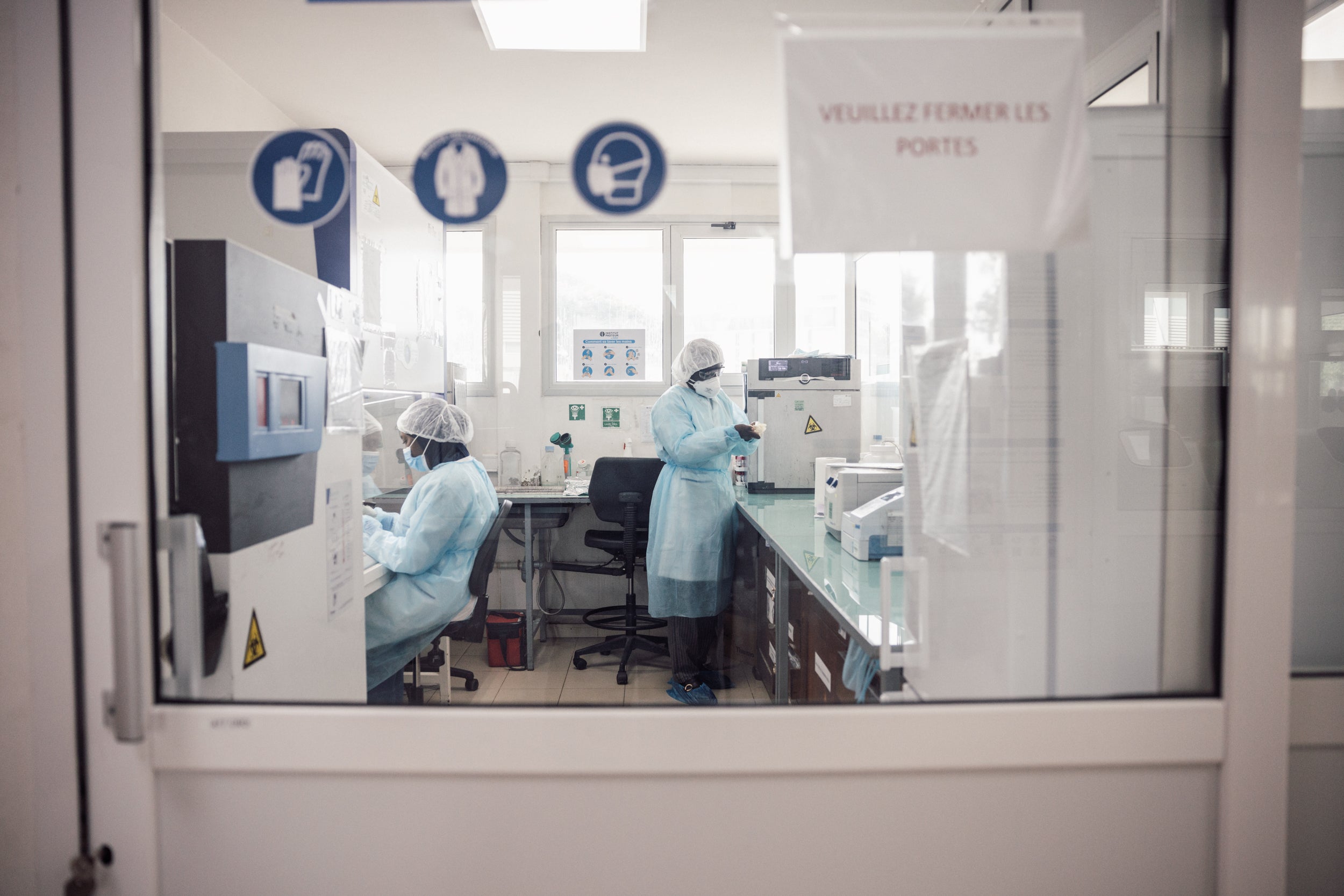 open image in gallery(The Global Fund/ Vincent Becker)
On The Ground newsletter: Get a weekly dispatch from our international correspondents
Get a weekly dispatch from our international correspondents
Get a weekly international news dispatch
Email*SIGN UPI would like to be emailed about offers, events and updates from The Independent. Read our Privacy notice
It all starts with a fever. It’s the first signal that an outbreak of disease could be moving silently through the population.
At a health centre in a busy area of Dakar, Senegal, no cases of dengue had ever been detected until 2023. In the following nine months, more than 200 cases were spotted. The illness had always been there – in homes and clinics, people were developing the warning signs of intense pain in the joints and bones that lend the mosquito-borne disease its nickname of “breakbone fever”. But these cases were invisible until a surveillance site, set up by the Institut Pasteur in Dakar (IPD), brought them under the microscope.
Although it was founded almost 100 years ago and became known for medical testing and research, it’s only in the past couple of years that the institute has grown to become the control room of a network of listening posts dotted across 11 West African countries, primed to spot clusters of disease before they spill out into uncontrollable outbreaks. It is trying to expand these efforts further across Africa, in the face of deep funding cuts from rich countries, as many shift their resources towards spending on defence.
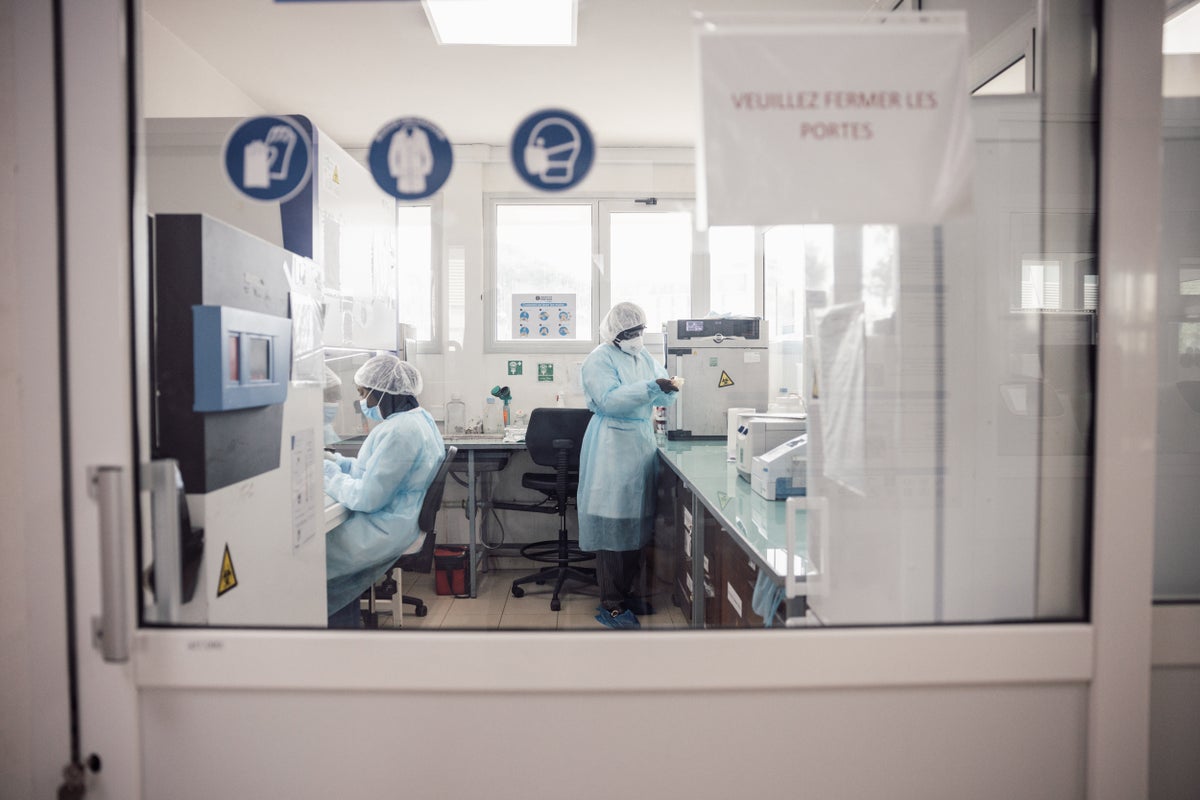
 open image in galleryBy testing communities, diseases can be spotted sooner before they spread into uncontrollable outbreaks. (The Global Fund/ Vincent Becker)
At the more than 40 surveillance sites making up this network, health workers take swabs from the nose or throat of any patient who comes in with a temperature of more than 37.5 degrees celsius.
Whether it’s dengue, ebola or more commonplace viruses like flu, they all share this symptom. “So the fever is the entry point”, says Dr Boubacar Diallo, who leads the lab’s outbreak response unit. Along with a host of other symptoms, it triggers an investigation which takes the patient’s swab on a journey from their local clinic to Institut Pasteur’s labs.
There, millions or billions of copies of genetic material from the swab are made. This allows them to be studied to see if they match up with the genetic material of the virus suspected to be causing the infection. The results go back to the clinics that are caring for the patients, to help treat them. And anything concerning is reported to the Ministry of Health. Pretty much every time, the sample will either be negative or test positive for a known virus. But the lab is also on the hunt for unfamiliar microbes that could alert them to what’s known as Disease X – a new or currently unknown bug that could spark the next pandemic.
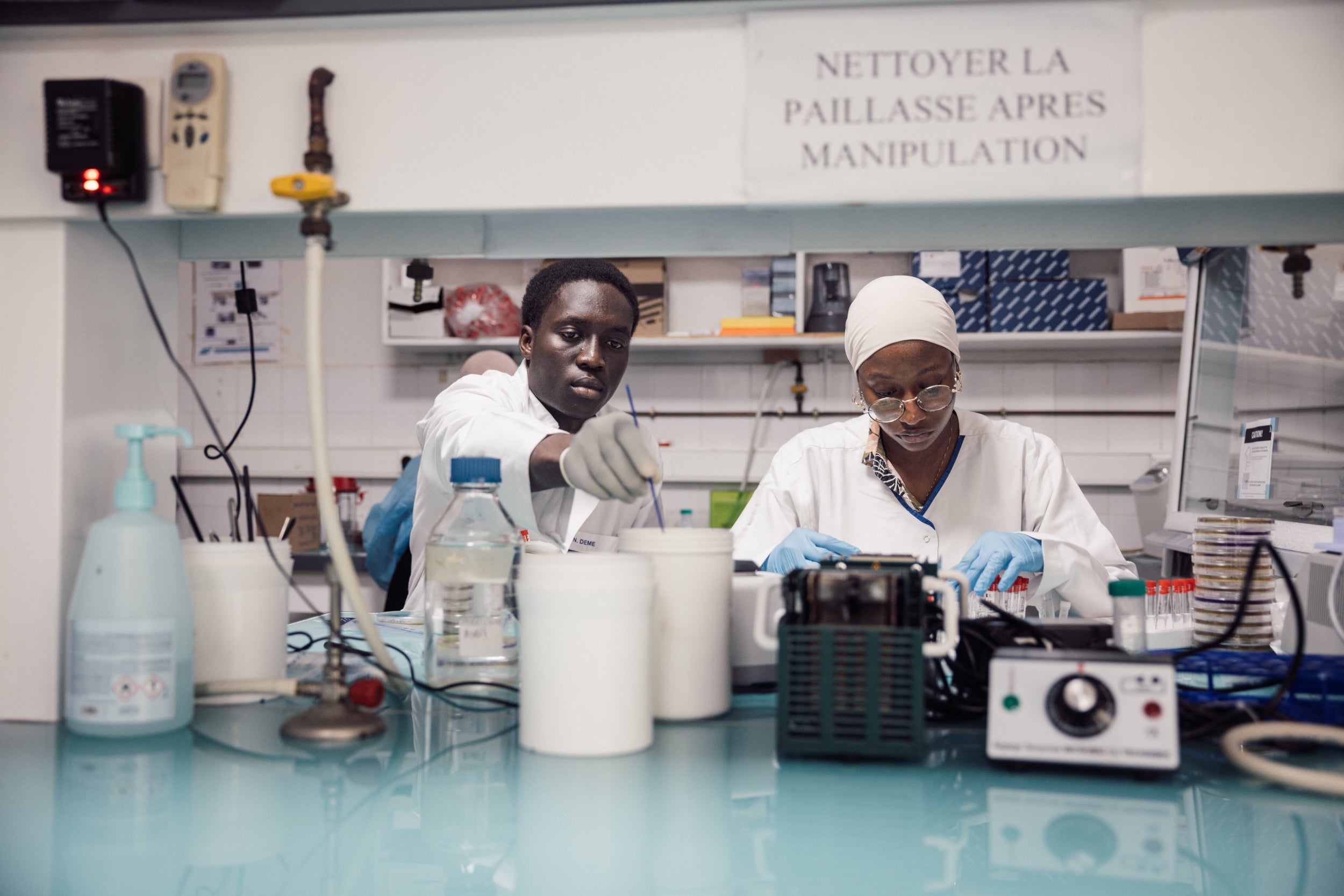 open image in galleryThe lab is also on the lookout for Disease X - unknown bugs that could spark the next pandemic (The Global Fund/ Vincent Becker)
They even monitor animals in some areas, trying to spot diseases and quarantine them before they spread to humans. A recent outbreak of Rift Valley Fever was spotted when groups of infected sheep and goats began to have miscarriages and were tested for the virus.
For years in Senegal, as in many countries in the region, disease outbreaks were a black box. It could take months of an illness ripping through a community before the specific virus or bacteria was detected and action taken to stop its spread. The later it’s spotted, the harder it is to contain, with countries then needing to wait for international organisations like the UN and big charities to fly in to help.
Now, with cuts to global aid thinning that help out, the institute is hoping its disease-tracking efforts can help the region spot diseases and respond to them faster without relying on outside support
The first time Dr Diallo heard of the institute, he had been parachuted by the World Health Organization (WHO) into the middle of the deadly West African ebola outbreak beginning in 2014. It lasted two years, cost more than 10,000 lives and ground economies to a halt.
When he arrived in Guinea where the outbreak started, as part of the first investigation team, “it was a panic,” Dr Diallo recalls. “I’ve seen houses closed, everyone died. We had a lot of colleagues that got infected and died. And at that time there was no vaccine”.
He ended up staying in the forest region for two-and-a-half years. One man stands out in his memory – a doctor who arrived with a small suitcase containing a mini laboratory. He came in the day and by nightfall, he had confirmed what other institutions had been struggling to – that the samples they’d collected from sick patients with high fevers, vomiting and bleeding were indeed ebola.
The man, Dr Ousmane Faye, was from the IPD, in whose corridors Dr Diallo now stands – a rangy figure in a sharp checked blazer and a black beret – as he recounts the story.
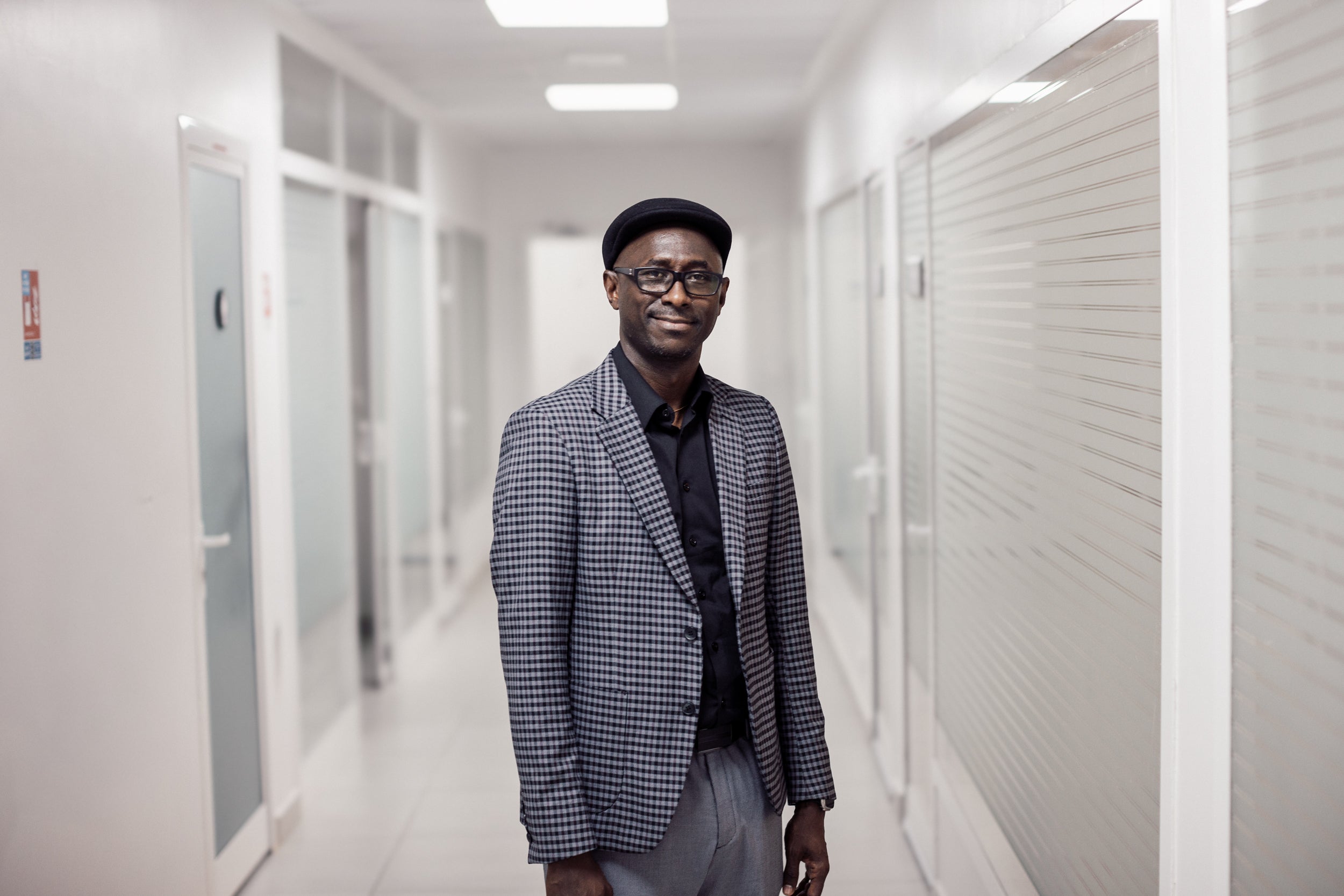 open image in galleryDr Boubacar Diallo came to work at the institute after fighting ebola in Guinea and DRC (The Global Fund / Vincent Becker)
But the virus had started spreading four months before that detection. “Many people died before we detect. And we don't want that to happen. If we don't want that to happen, we need to put in a surveillance system that can help countries to capture when we have the first signal.”
While that experience sowed the seeds, it was in fact another ebola outbreak in 2018 that finally led Dr Diallo to this lab. He was still working for the WHO when the Democratic Republic of Congo (DRC)’s ninth recorded outbreak of the deadly haemorrhagic virus started, swiftly followed by its tenth.
“I was deployed to be the incidence manager for that outbreak, which was the most challenging outbreak ever because it was in an insecure area,” he says. “I lost five of my colleagues”.
The outbreak had got into the rebels’ camp. Dr Diallo and his colleagues had to make the decision to treat infected colonels from the M23 armed group and train them on how to safely bury their dead, without informing the army.
A close colleague from Cameroon was sitting in the hospital having meetings with his team when the shooting started.
“I myself came to take the body,” Dr Diallo says. While some international donors had to leave the country, his team stayed. “We said we will never run,” he says, until the outbreak was under control.
It made him realise he needed to lead from the continent, not from the WHO in Geneva or the US Centers for Disease Control (CDC) in Atlanta.
 open image in gallery(The Global Fund/ Vincent Becker)
“Why can't we prepare countries to better be prepared instead of waiting for outbreaks?” he had asked himself. “So that's why I'm here today”.
In many ways, things have improved since then. Though, during an Mpox outbreak in DRC this year Africa CDC says aid cuts meant testing of suspected cases halved from 60 per cent to roughly 30 per cent, IPD was able to send mobile labs to make sure this figure didn’t fall further.
When Guinea faced a new attack of ebola in 2021, a lot of the health workers responding had been trained by the Institut Pasteur. “All of those [labs] were built after the West African Ebola outbreak”.
This year in Sierra Leone during another Mpox outbreak, Dr Diallo and his team sent mobile labs in trucks to help with the response, “because they only had one lab in the country”.
“We came today. At night, we are open. Now, that one was really working very well. A month after they requested to have another mobile lab, which is just a suitcase,” he says - the lab in a suitcase that so impressed him back in 2014. They contain all the equipment needed to run tests to confirm a patient is infected and what virus they are dealing with.
‘“We have at least four suitcases. We can deploy that any time and everywhere”.
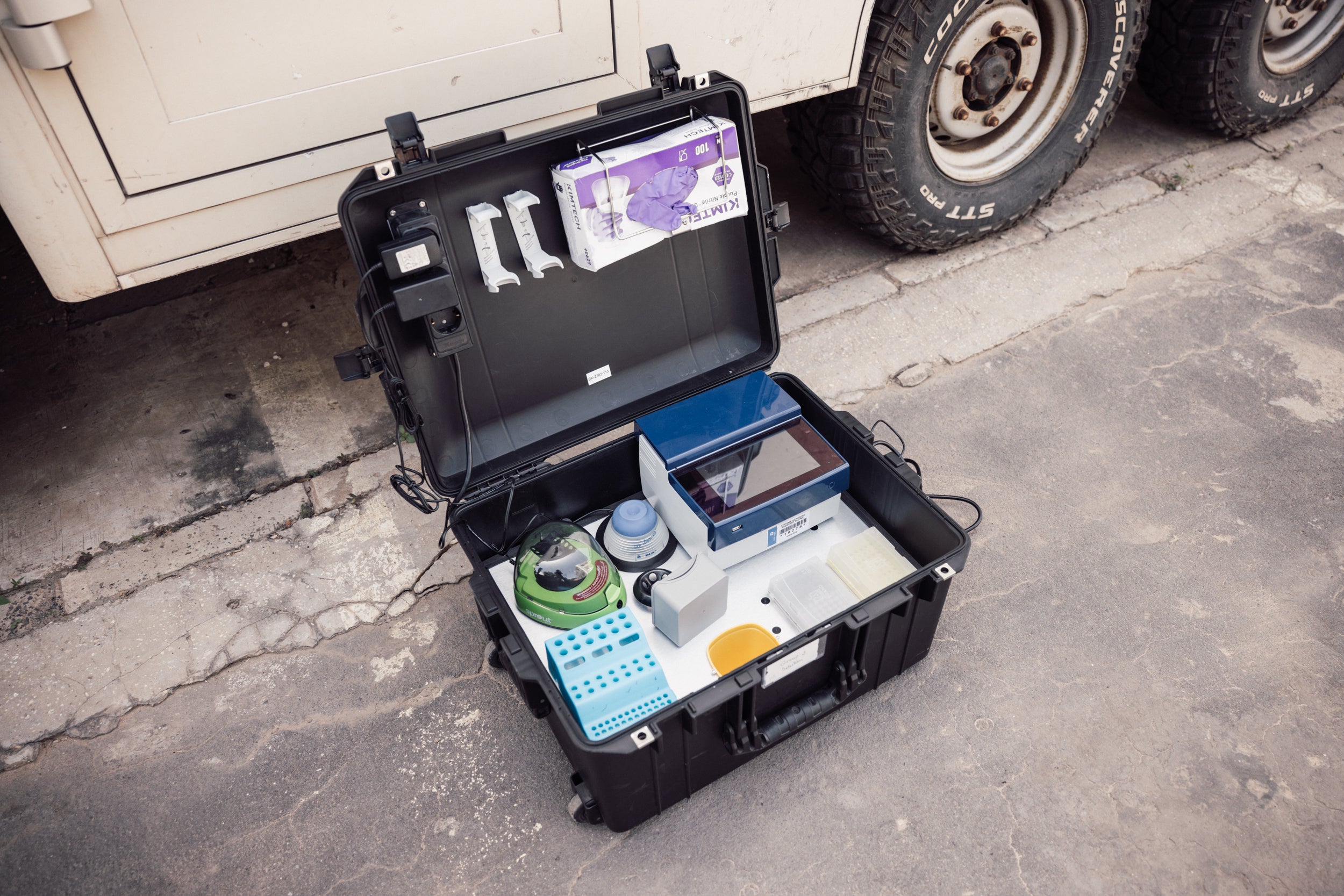 open image in galleryLabs in a suitcase allow the scientists to respond more quickly to suspected disease outbreaks in remote areas, testing patients and confirming cases (The Global Fund/ Vincent Becker)
The network still has many blind spots, though. Even in Senegal where it started and where the most surveillance sites are housed, “we are not covering the entire country yet, “ Dr Diallo explains.
And it has come under strain. Despite being one of the first responders, once the 2014 West African ebola outbreak started to spread the IPD faced a lot of logistical issues when it came to shipping samples for hundreds or thousands of miles - delaying the process of confirming and containing it.
Now, rather than receiving samples from across Africa, the IPD is the laboratory hub for West Africa while labs in Cameroon and Uganda have become regional hubs for Central African, and Eastern and Southern African countries respectively.
But all of this requires money. At the moment IPD still relies heavily on grants though it has ambitions to become more self-sufficient by using the data it gathers to develop and sell tests and vaccines.
Head of the Africa CDC, Dr Jean Kaseya tells The Independent that the institute started to manufacture the yellow fever vaccine, “almost 100 years ago. A long time before seeing that in China, in Russia.” But he says, “unfair treatment of the Western countries to Africa” meant the IPD was not supplying the vaccine to the continent - rather the bulk of supplies come from France and Russia.
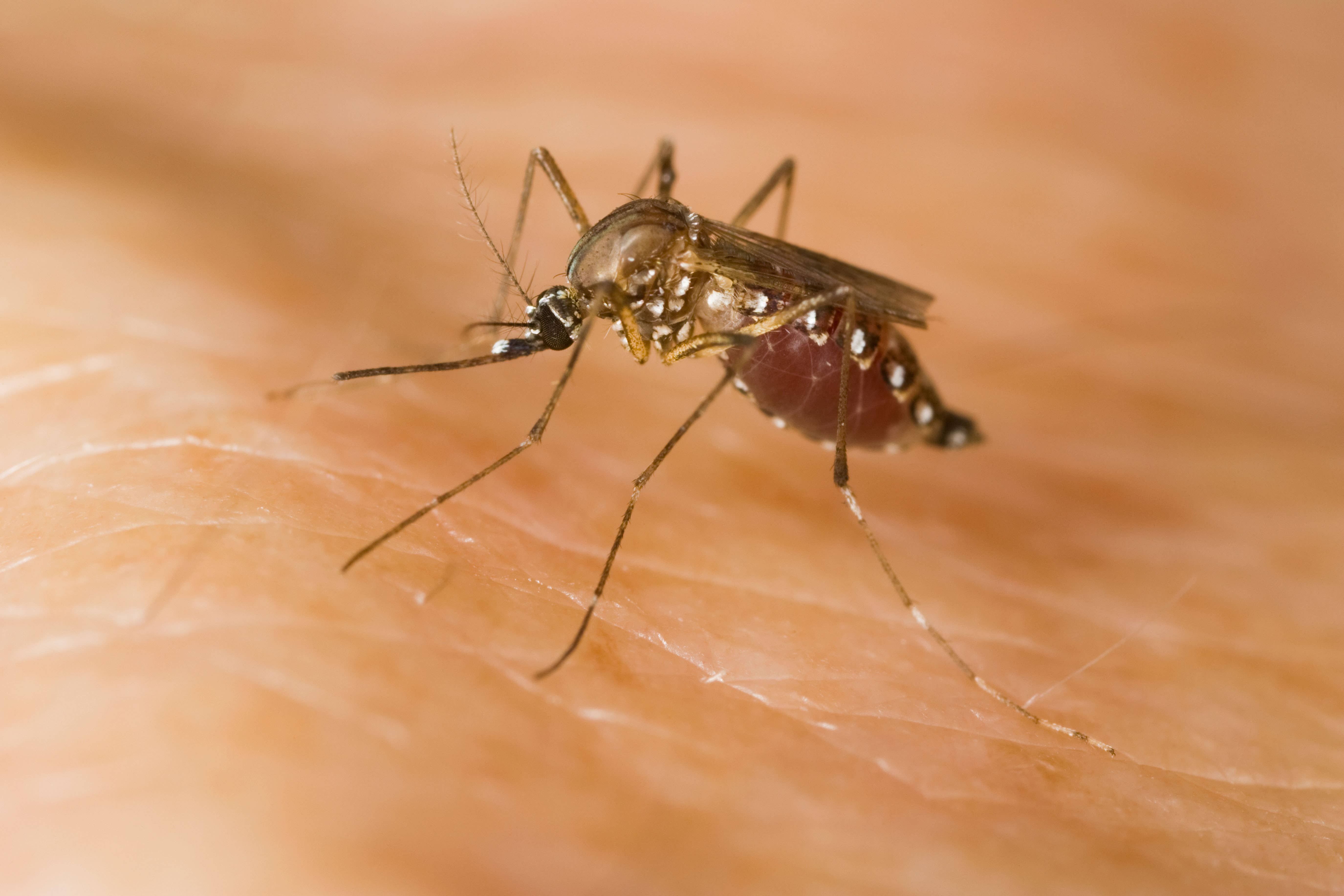 open image in galleryThe WHO will only declare an outbreak of yellow fever, spread by mosquitos, after confirmation by IPD ((Alamy/PA))
“Our partners didn't support this institute to extend the capacity. But today we are working on that,” he says. He thinks countries giving grants to such work should see them as investment not charity.
The biggest source of funding to the IPD currently is The Global Fund, which has so far fallen almost $7bn short of its target of raising $18bn (roughly £14bn) for the next three years. The UK’s contribution amounts to a cut of 15 per cent. If the fund misses its target, it will have to prioritise, with life-saving work usually first in line to be protected - that’s things like HIV and TB drugs and malaria bed nets, though deaths from the cuts have been recorded nevertheless. Work like that of the IPD, which tries to stop diseases before they spread, could hang in the balance.
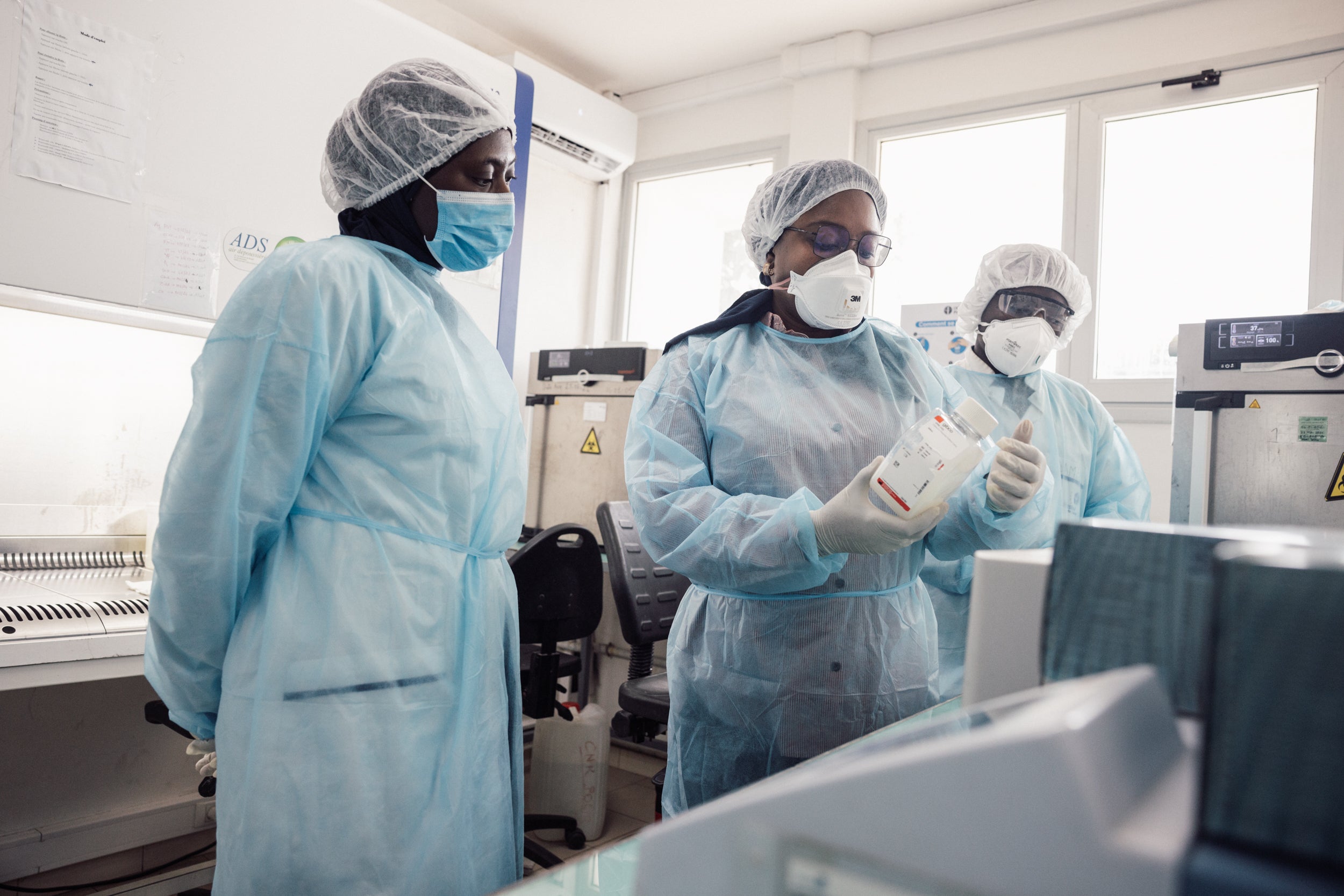
The institute’s chief executive, Dr Dr Ibrahima Socé Fall, is keen to stress what’s at stake. “I always tell the media in Europe that the best epidemiologists are in Africa. Because the epidemiologists in Europe are sitting in hospital and in a laboratory,” he says, but outbreaks happen in often hard-to-reach communities. You need systems working on the ground in affected countries to, “rapidly detect and respond to outbreaks to prevent pandemics,” he explains.
 open image in gallery(The Global Fund/ Vincent Becker)
In The Gambia for example, lack of resources meant no disease outbreak had ever been detected by its national laboratory up to January 2023. The IPD visited for two weeks with materials and training. By September, the country’s own lab had detected a chikungunya outbreak for the first time in its history.
“That's why the role of Institut Pasteur is crucial in the term of health security. Because when you have an outbreak somewhere in the world, it can be anywhere because of travel,” Dr Fall says.
The UK’s Foreign, Commonwealth and Development Office (FCDO) is injecting £10m in funding into the institute from January 2026 to fund more disease surveillance centres in West Africa.
But at the same time, the UK is cutting its wider funding intended to tackle the diseases being monitored, including malaria, as well as funding that helps countries develop their own health systems to become self-reliant.
For Dr Diallo, a strong system means putting disease-tracking systems in place across Africa - not just in selected countries. “One mosquito is in Mauritania. Can you prevent it [coming across] to Senegal? Never.
“If your country is safe, but your neighbour is not safe. You will never be safe”.
This article was produced as part of The Independent’s Rethinking Global Aid project
More about
Rethinking Global AidSenegalPandemicsEbolaJoin our commenting forum
Join thought-provoking conversations, follow other Independent readers and see their replies
Comments
