 By Ellie CookShareNewsweek is a Trust Project member
The U.K. and Norway will send more than a dozen warships out to hunt Russian submarines and shield critical infrastructure in the northern Atlantic Ocean in new patrols over the coming years.
Why It Matters
London says it has detected a 30 percent increase in Russian vessels posing a threat to U.K. waters in the past two years. Oslo shares around 120 miles of land border with Moscow, Norwegian soil stopping not far west of Russia's major military bases clustered around the Arctic cities of Murmansk and Severomorsk.
NATO countries are beefing up defenses around critical undersea infrastructure like the extensive pipelines and cables snaking along the seabed, which are vulnerable to sabotage and hard to protect. Undersea cables carry roughly 98 percent of the world's data, essentially propping up many of the activities vital to daily life.
What To Know
At least 13 Type 26 anti-submarine warfare ships will be backed up by drones in the North Atlantic, including the waters between Greenland, Iceland and the U.K.—commonly referred to as the GIUK Gap, the British defense ministry said on Wednesday. Russia uses these waters to send submarines armed with conventional, long-range cruise missiles out toward the U.S. or the Atlantic.
Norway will contribute a minimum of five ships and the U.K. eight for the patrols. The first Type 26 frigates are still being built, meaning the joint fleet will not start patrols until the late 2020s or early 2030s.
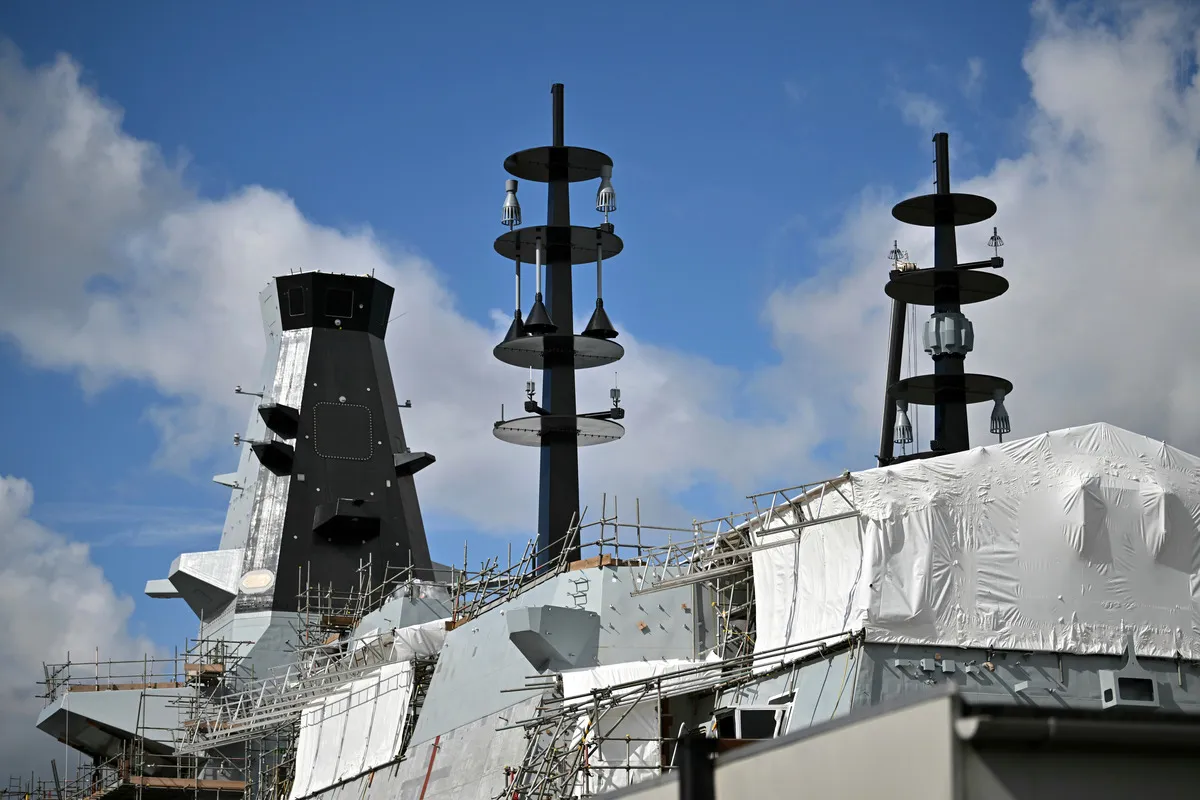 ...
...Norway inked a deal to buy a number of the British frigates worth more than $13 billion in August. The U.K. and Norway, like other NATO nations, have pledged to increase defense spending and speed up equipment procurement in the face of Russia's military build-up.
Both countries operate P-8 maritime patrol aircraft designed to detect Russian ships. Russia's submarine fleet is considered formidable, much more capable than its surface vessels.
Russia's navy, with the exception of its Black Sea fleet, has been relatively untouched by nearly four years of full-scale war in Ukraine.
The British defense ministry hailed the patrols deal as a "first-of-its-kind" arrangement, known as the Lunna House agreement.
It will be signed in London on Thursday. Lunna House was the Norwegian resistance headquarters in Scotland during World War II.
Norwegian Prime Minister Jonas Støre is visiting the U.K. this week and will travel to the British military base at Lossiemouth in northern Scotland with British Prime Minister Keir Starmer on Thursday.
British Defense Secretary John Healey said last month the Yantar, a Russian intelligence-gathering ship, had pointed lasers at British pilots watching the vessel near U.K. waters. Healey said the government was taking the "deeply dangerous" move seriously.
The Yantar was also spotted off the British coast in January and intercepted close to France.
The British government said separately in late November it had intercepted a Russian warship, the Stoikiy, and one of Moscow's tanker vessels off its southern coast.
British warship, the HMS Duncan tracked the Russian destroyer the Vice Admiral Kulakov through the English Channel in October, days after a British frigate shadowed Russia's Novorossiysk submarine and a tug boat through the waterway.
It is currently extremely difficult to police the vast networks of pipelines and cables, despite new NATO initiatives and the trialing of uncrewed technology to keep track of threats to seabed infrastructure.
A slew of incidents in late 2024, when multiple pipelines and cables were damaged in the Baltic Sea, have been linked to Russia's "shadow fleet" of sanctions-dodging vessels.
Under the deal, British marines will train in Norway to become accustomed to subzero temperatures, the British defense ministry said. Russia is generally considered the dominant power in the Arctic, more comfortable operating in austere conditions than many NATO militaries.
Norway and the U.K. will carry out joint drills and London will start using Norwegian-made cruise missiles on its surface ships, the British MoD said.
What People Are Saying
British Prime Minister Sir Keir Starmer said in a statement: "As more Russian ships are being detected in our waters, we must work with international partners to protect our national security.
"This historic agreement with Norway strengthens our ability to protect our borders and the critical infrastructure our nations depend on."
Request Reprint & LicensingSubmit CorrectionView Editorial & AI Guidelines Add Newsweek as a preferred source on Google to see more of our trusted coverage when you search.
Recommended For You
 WorldVideo Shows India Firing Cruise Missile in Warning to Adversaries3 min read
 WorldChina’s Next Aircraft Carrier Could Be Nuclear-Powered—What To Know6 min read
 WorldPutin Ally Tirades at ‘Crazy Hags’3 min read
 WorldSatellite Photos Capture Chinese Naval Fleet Alarming US Pacific Ally4 min read
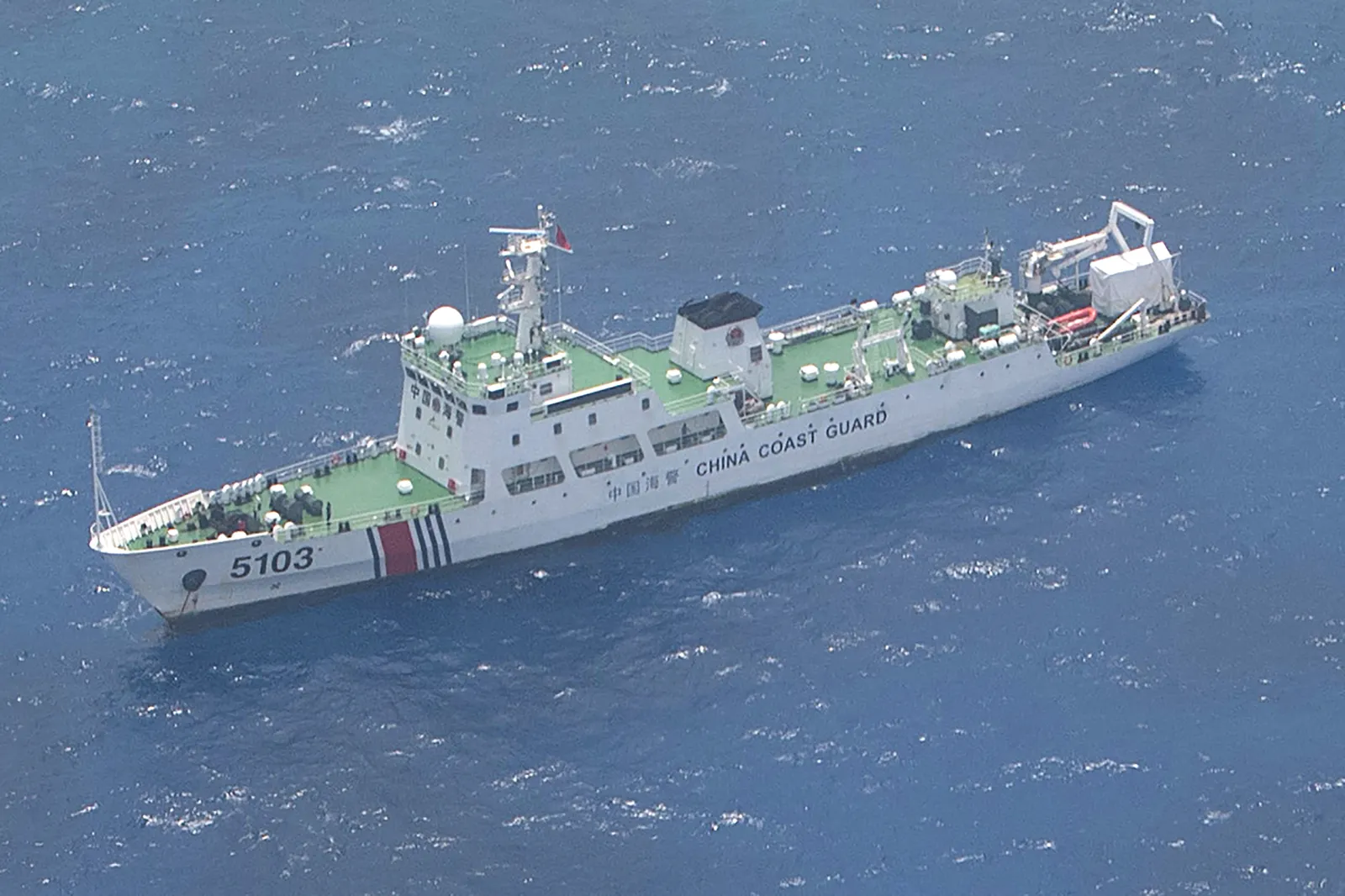 WorldChina Confronts US Ally at Disputed Territory3 min read
 WorldDonald Trump’s Honduras Gamble Hangs in Balance as Election Results Turn4 min read
Related Podcasts
Top Stories
 NewsPentagon Knew Survivors Remained Before Second Caribbean Boat Strike4 min read
 NewsExclusive: Democrat Targets Trump’s $175B Immigration Funds for Housing7 min read
 For MembersNewsUncommon Knowledge: Will Trump Accounts Pay Off?6 min read
 NewsSenators Introduce War Powers Resolution Over Trump’s Venezuela Actions4 min read
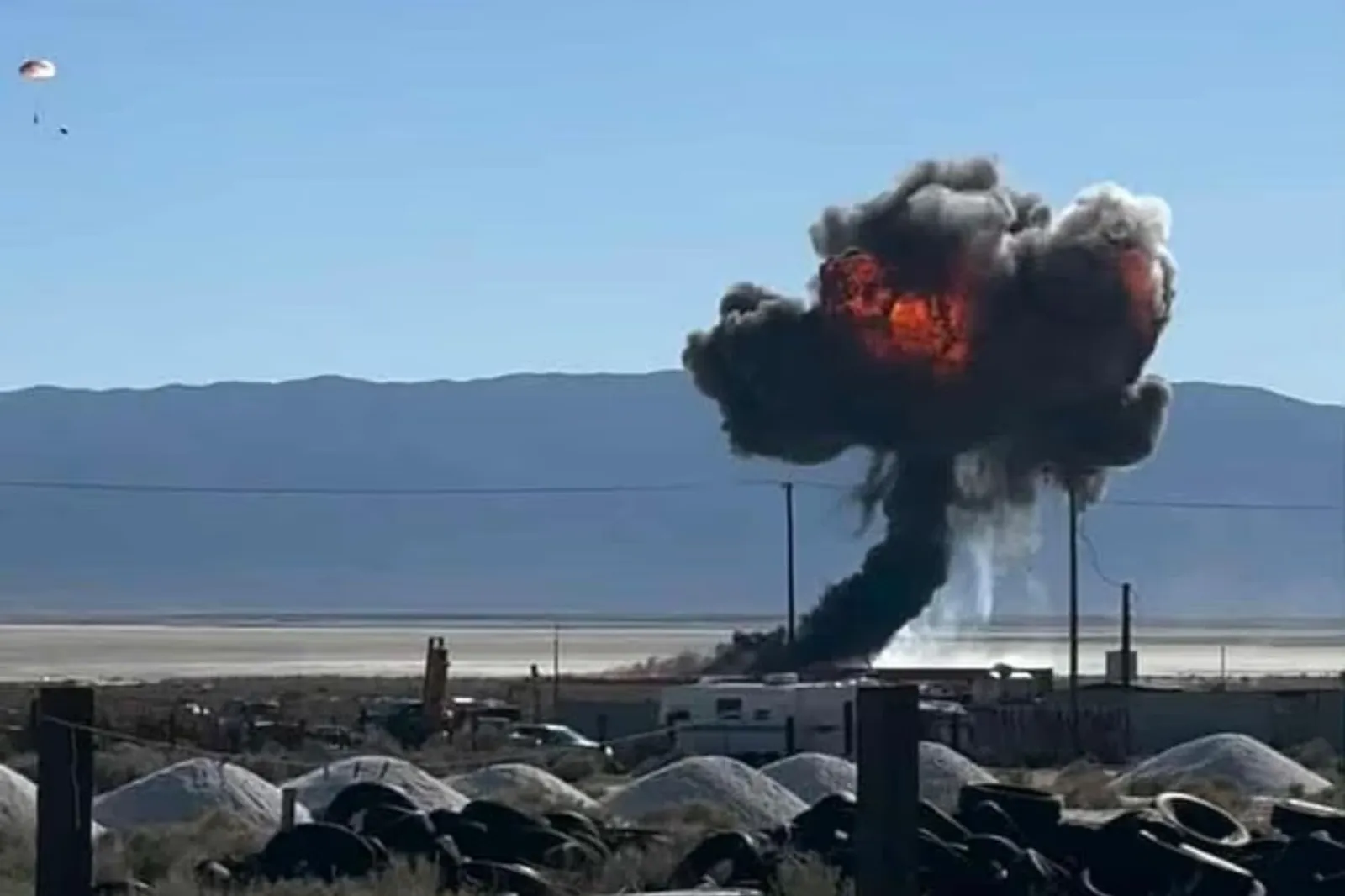 NewsVideo Shows F-16 Thunderbird Crash in California3 min read
 U.S.ICE Arrests Afghan National in Virginia Accused of ISIS-K Support3 min read
Trending
 WeatherList of Schools Closed Tuesday as Snowstorm Hits4 min read
 RepublicanRepublican Ousted by Democrat in Georgia3 min read
 WeatherWinter Weather Warning for Texas as Snow to Hit3 min read
 TennesseeTennessee Special Election: Behn Teases Another Run After Losing to Van Epps2 min read
 Live BlogNATO Warns Putin: ‘We’re Not Going Anywhere’—Ukraine War Live Updates2 min read
Opinion
 OpinionPete Hegseth Is Not a ‘War Criminal’ | Opinion6 min read
 OpinionLebanon 2.0—Shepherding the Path to Peace | Opinion4 min read
 OpinionThe Cost of Detaining Immigrants Working Legally | Opinion5 min read
 OpinionProsecuting Congress for Stating the Law: An Impeachable Offense | Opinion4 min read
 For MembersOpinionConventional Wisdom: Trump Pardons Former Honduran President3 min read