- News
- Science
Social media influencers, who have made owning exotic pets cool, are also contributing to the problem
Michael CaseyWednesday 03 December 2025 10:23 GMTComments
 CloseChina: Exotic pets fuel new niche market in China
Sign up for our free Health Check email to receive exclusive analysis on the week in health
Get our free Health Check email
Get our free Health Check email
Email*SIGN UPI would like to be emailed about offers, events and updates from The Independent. Read our Privacy notice
Conservationists are urging for more robust regulations to curb the escalating exotic pet trade, which sees wild reptiles, birds, and other animals increasingly offered for sale on internet marketplaces and gaining traction on social media platforms.
The issue is a key focus at the ongoing Convention on International Trade in Endangered Species of Wild Fauna and Flora (CITES) in Samarkand, Uzbekistan, which concludes this Friday.
Several critical proposals concerning the pet trade are scheduled for another discussion.
These include calls for stricter controls or outright bans on the trade of various species, such as iguanas from the Galapagos Islands, over a dozen species of Latin American tarantulas, and a distinctive African turtle.
Susan Lieberman, vice president for international policy at the Wildlife Conservation Society, highlighted the shift in demand.
"What we’re seeing is the pet trade much more looking at reptiles, amphibians. People want rare species and they don’t have to go into a pet shop," she stated.
"They go online and there are thousands of animals, including endangered species, illegally obtained species, all available on the internet."
Internet drives illegal trade
In the past, the trade was dominated by sales in animal parts like elephant ivory and tiger bones.
But Matt Collis, the senior director of international policy at the International Fund for Animal Welfare, said live animals for the pet trade are increasingly turning up on the internet.
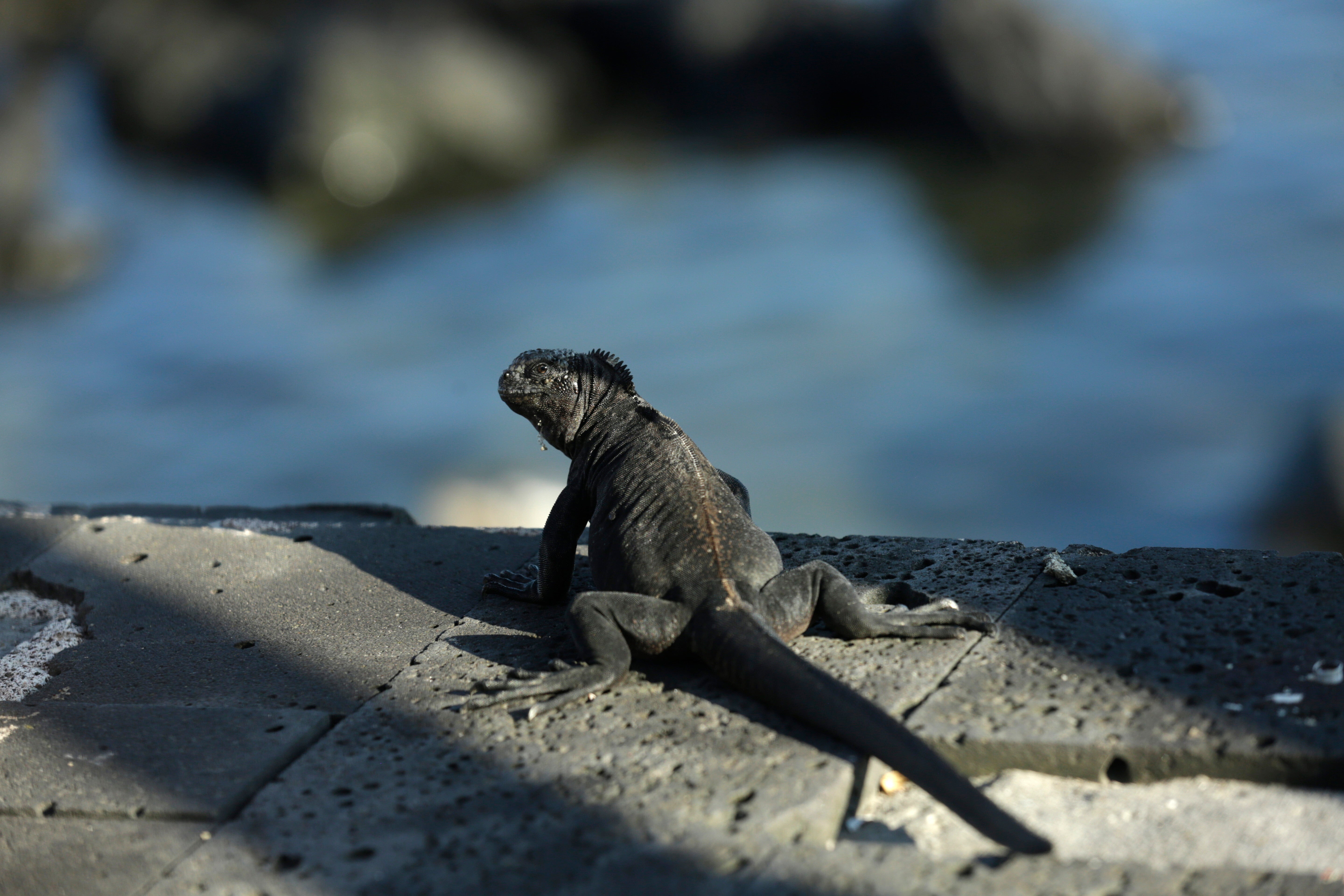 open image in galleryA report from International Fund for Animal Welfare found the live pet trade accounted for a growing piece of exotic pet trade, with reptiles representing about 60 per cent of the animals (Associated Press)
“The dramatic growth in online marketplaces has put consumers directly in touch with wildlife traders and criminals around the world,” Collis said. “In today’s society where pretty much anything can be bought with a click of a button and shipped anywhere in the world in a matter of days, no wildlife is safe.”
Social media influencers, who have made owned exotic pets cool, are also contributing to the problem, Collis said.
Several of the species proposed for greater protection at the CITES conference are in Latin America, where an IFAW report last year found illegal trade is on the rise.
The report, covering 18 Spanish speaking Latin American countries, says there were more than 100,000 animals seized or poached from 2017 to 2022, with seizures increasing every year.
The report found the live pet trade accounted for a growing piece of the trade, with reptiles representing about 60 per cent of the animals, while nearly 30 per cent were birds and more than 10 per cent were amphibians. Many animals were traded locally or regionally but there also was evidence of animals shipped to collectors in Europe, Asia and the United States.
More than 90 per cent of the seized wildlife destined for Europe were live animals, confirming the demand for pets was a key driver of the illegal trade, the report said.
Tortoise, vipers up for protection
Among the reptile species up for tighter trade controls is Home’s Hinged-back Tortoise, a critically endangered turtle found in West Africa that has a unique hinge on its back allowing it to close off its back legs and tail.
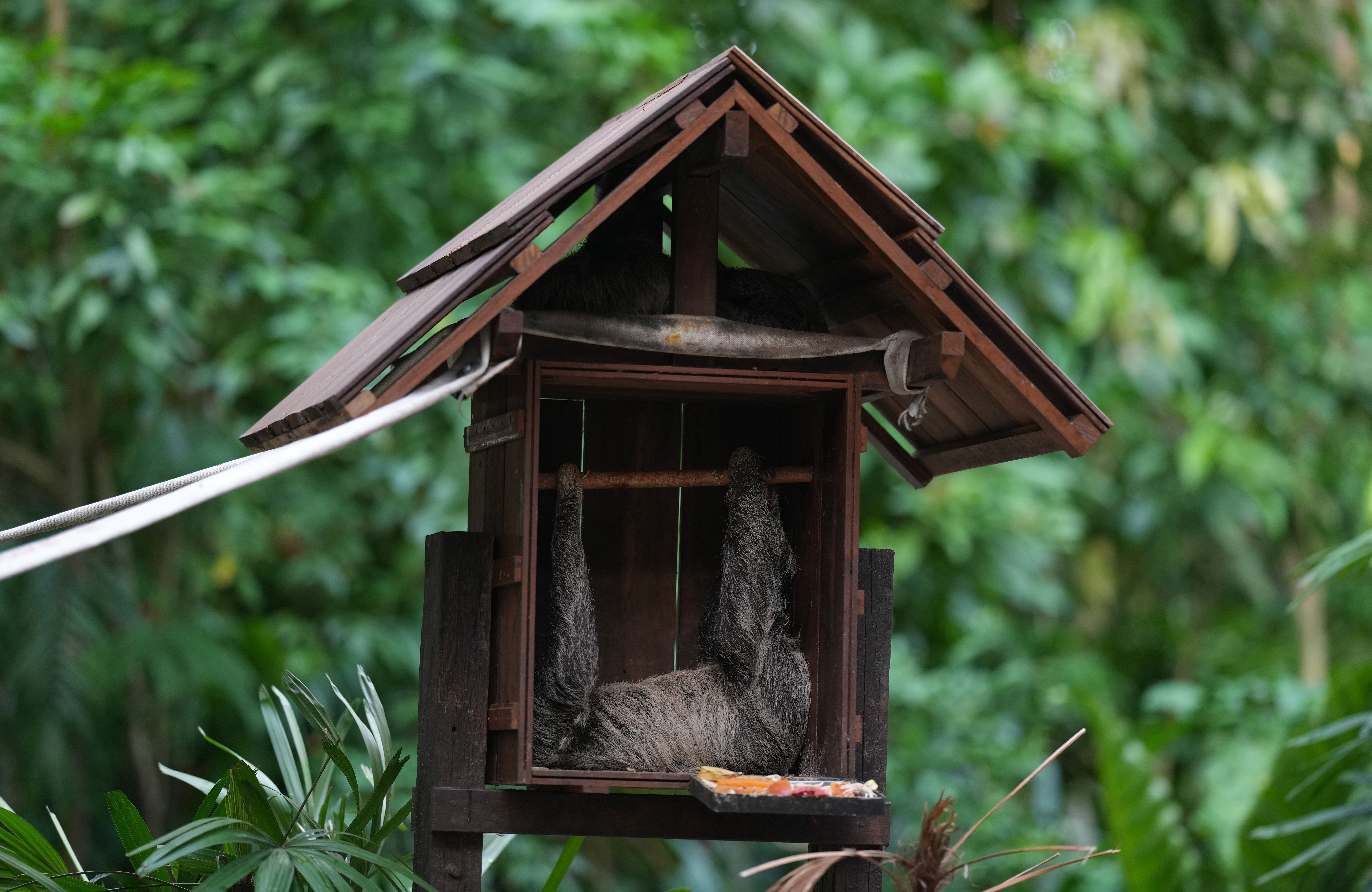 open image in gallerySloths from South America are increasingly turning up in sloth-themed cafes in Asia (Associated Press)
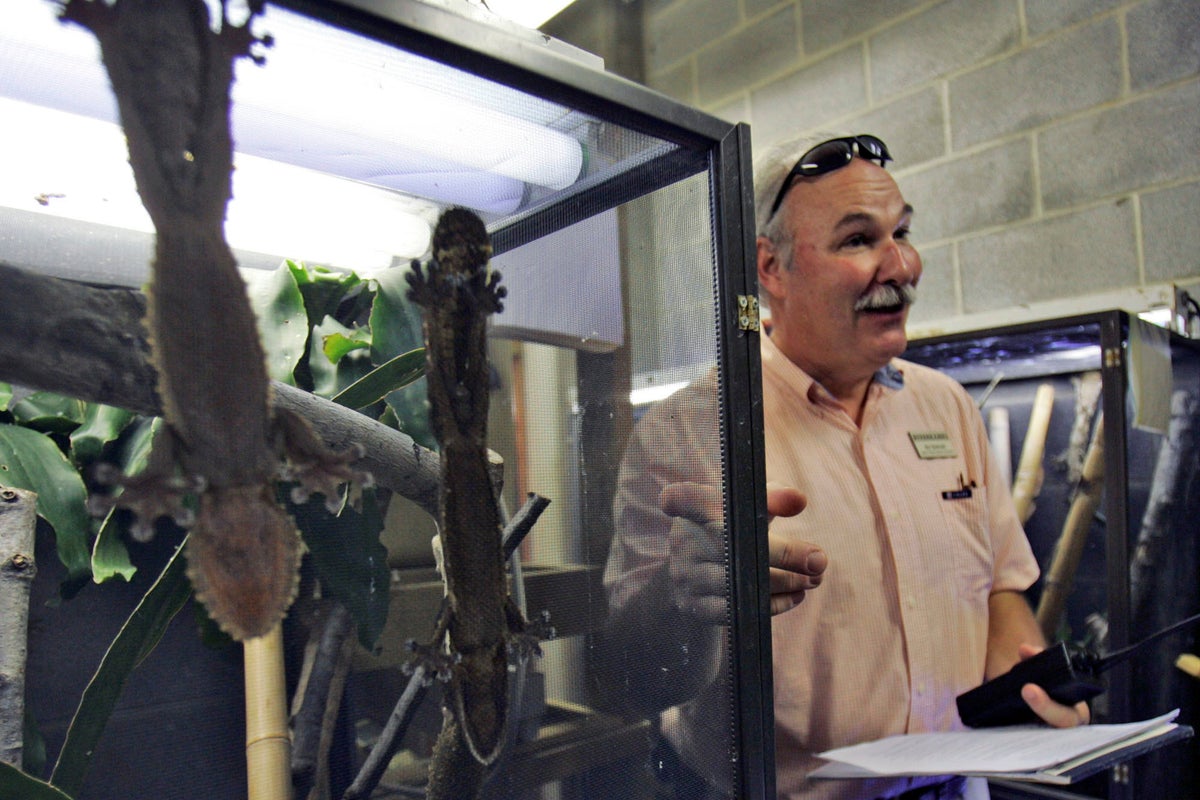
There are proposals to regulate the trade in two vipers species endemic to Ethiopia, two species of rattlesnake found mostly in Mexico, the leaf-tailed gecko from Australia and two species of sloths from South America, which are increasingly turning up in sloth-themed cafes in Asia.
A proposal from Ecuador would ban the trade in marine and land iguanas from the Galapagos, which are listed by the International Union for Conservation of Nature as critically endangered or vulnerable. There are concerns that the illegal trade could further destabilise the population, which already faces threats from invasive species, rising tourism and fluctuations in weather associated with the El Nino.
In its CITES proposal, Ecuador said it doesn't permit commercial export of iguanas and collecting them from the Galapagos has been prohibited for decades. But Ecuador raised concerns that traders are capturing and transporting young iguanas by boat or overland to ports and evading authorities by mislabeling them as captive-bred. Most of the iguanas are destined for Japan and other Asia countries and can sell for as much $25,000 on the black market.
The United States supports the iguana, sloth, viper, tortoise and gecko proposals but is opposed to the rattlesnake listing.
CITES permits abused
A species can be banned for trade in its home range but sold online by traders who abuse the CITES permitting process and captive breeding rules and then take advantage of importing countries that don't bother to check if the animals come from the wild, Collis said.
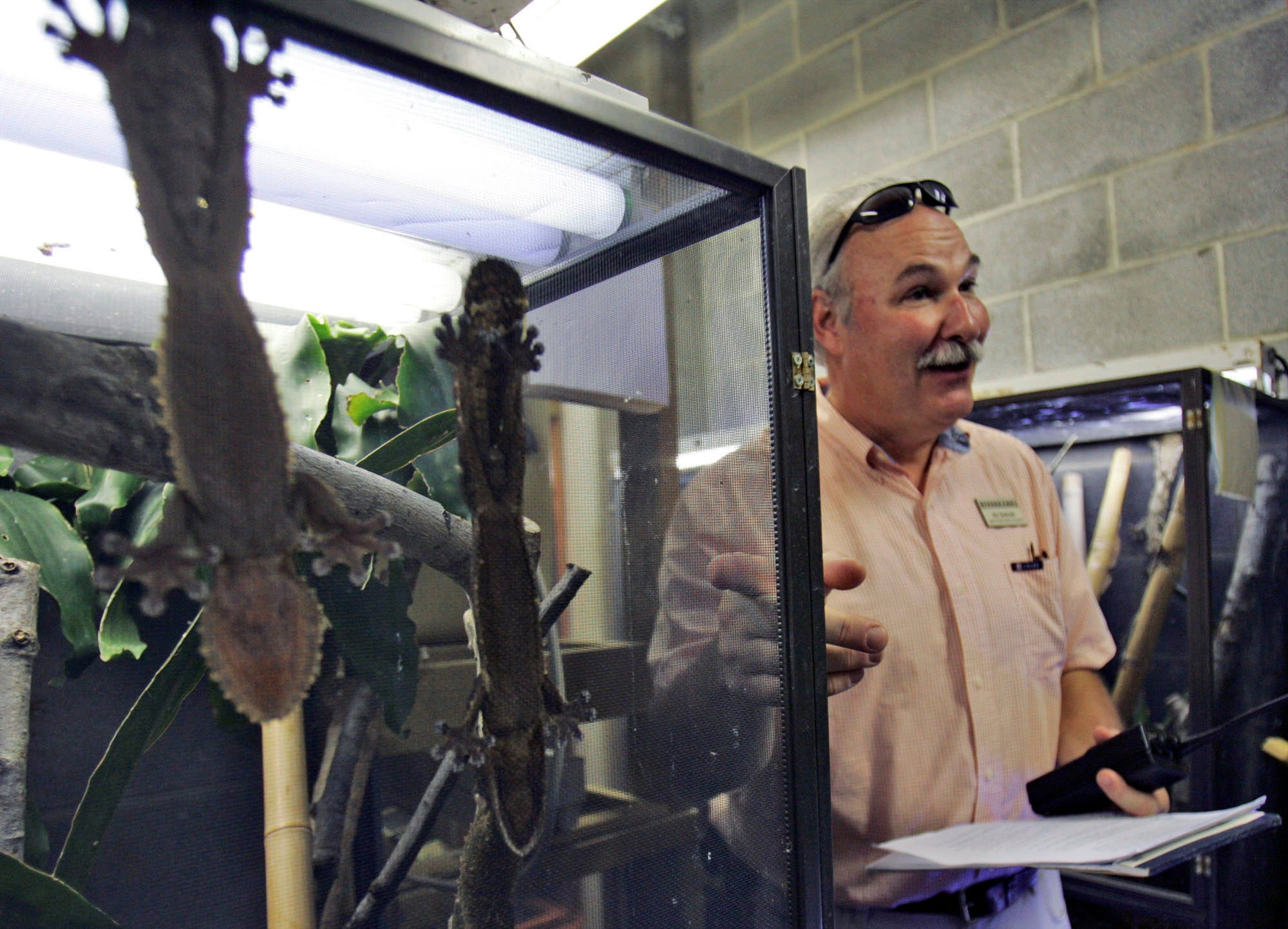 open image in galleryGiant leaf-tailed geckos are among those popular in the exotic pet trade (Associated Press)
“In theory, under CITES rules, the countries issuing those export permits should be checking that these animals, and crucially their parentage all the way back to the founder stock, were legally acquired in order for an export permit to be granted,” Collis said. “But that is not happening."
Countries issue permits without verifying animal origins, which helps traffickers launder animals from illegal sources, “undermining the very framework meant to protect these species,” he said.
The CITES proposals draw attention to a long-running problem with captive breeding of exotic species, according to Lieberman of the Wildlife Conservation Society.
“When the treaty was drafted in the early 1970s, there wasn't a lot of captive breeding and people thought, 'Well, if they’re bred in captivity, it’ll take pressure off the wild,” she said. “Sounds good, except it doesn’t work that way. Breeding in captivity also creates a market, but they’re cheaper from the wild. And also it’s a great way to launder.”
Pet traders fear proposals go too far
A proposal has also been submitted at the convention to regulate the trade in more than a dozen species of tarantulas. Bolivia, Argentina and Panama note they are “among the most heavily traded groups of invertebrates” with more than half all species available online.
The proposal would permit the trade in the spiders as long as there is proof the sources are legal, sustainable and traceable.
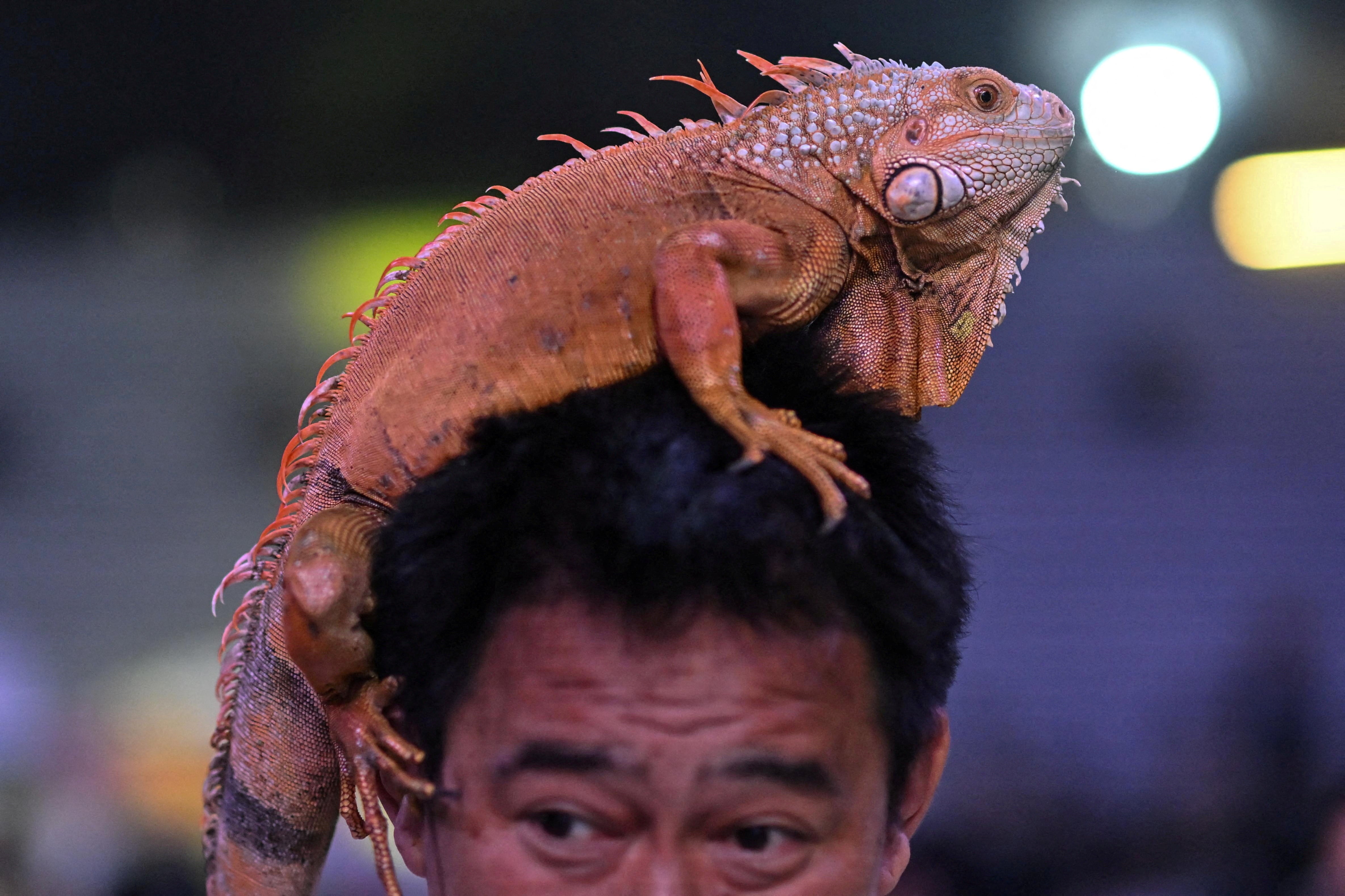 open image in galleryThe United States supports the iguana, sloth, viper, tortoise and gecko proposals (REUTERS)
“Some tarantula species are particularly vulnerable to overexploitation due to their long life span, limited geographic range and low reproductive rate,” according to the proposal.
“Alarmingly, most of them are not regulated internationally, despite the high availability of hundreds of species in international trade.”
The United States Association of Reptile Keepers opposes the tarantula listing, which it called “incongruous” for rolling many species into a single proposal.
The association, which advocates for responsible private ownership and trade in reptiles and amphibians, suggested other reptile proposals reflect government overreach, noting the proffered changes to iguana sales are unnecessary since current regulations “provide adequate protection.”
“Most species have limited trade in captive bred specimens which is not a threat to wild populations,” David Garcia, the organisation's legal counsel and its delegate at the CITES conference, said in a statement.
“Unfortunately, many countries, groups, and individuals take the nonsensical position that the way to limit threats to wild populations is to make the captive reproduction of those species more difficult.
But a report from the nonprofit Center for Biological Diversity, shared with The Associated Press and due to be released Dec. 8, found that the United States was among the biggest markets for the pet trade, importing on average 90 million live amphibians, arachnids, birds, aquarium fish, mammals and reptiles each year.
“Wildlife exploitation, including for the pet trade, is a major driver of the global extinction crisis,” the report said.
“One million species are on track to face extinction in coming decades unless action is taken to address species loss. Addressing the United States’ role in the exotic pet trade must be a top priority to stem this crisis and protect biodiversity for future generations.”
More about
TortoiseInternational Fund for Animal WelfareInternational Union for Conservation of NatureAsiaEuropeSouth AmericaJoin our commenting forum
Join thought-provoking conversations, follow other Independent readers and see their replies
Comments