- News
- Health
The figure comes as the UN reports a ‘devastating’ collapse of HIV prevention services around the world
Rachel SchraerGlobal Health CorrespondentTuesday 02 December 2025 13:04 GMTComments
 CloseRelated: Lord Chris Smith – HIV aid cuts will send us back to 1987
Sign up for our free Health Check email to receive exclusive analysis on the week in health
Get our free Health Check email
Get our free Health Check email
Email*SIGN UPI would like to be emailed about offers, events and updates from The Independent. Read our Privacy notice
The closest thing we have to an HIV vaccine has hit the market – but less than a tenth of the doses needed to change the course of the pandemic will reach the people who need them, new figures suggest.
A plan between the drug company Gilead and international funders to give two million people the long-acting jab lenacapavir across three years – or 666,000 a year – will only avert up to 165,000 infections, which “just isn't enough” said Dr Andrew Hill of the University of Liverpool. His research has found getting 10 million people a year the jab could avoid half a million HIV infections and “start putting us on a course towards ending HIV transmission”.
Amid profound cuts to global funding, particularly from Donald Trump in the US, efforts to prevent HIV are being hit around the world, with Dr Hill believing this makes the rollout of lenacapavir even more important.
“Just to offset the damage that's being caused by these cuts, we believe 10 million [people being given lenacapavir] is a minimum figure and ideally it should be a lot higher than that,” he said.
Dr Hill called on rich countries including the UK to contribute to a proposed $400 million fund in order to get lenacapavir, which given twice yearly can prevent almost 100 per cent of HIV infections, to enough people – without taking money away from other vital HIV programmes like testing.
A course of Lenacapavir sells for around $28,000 in the US, but drug company Gilead said it would sell the doses at no profit to low-income countries, paid for by the US President’s Emergency Plan for Aids Relief (Pepfar) and the Global Fund to Fight Aids, Tuberculosis and Malaria. Dr Hill’s earlier research helped bring the cost down to $40 a year per person.
Gilead said the plan to supply doses for two million people by 2028 was an, “initial step, designed to bridge access in low- and lower-middle-income countries” until the generic drug manufacturers it has granted licences to can start producing more of the jab.
“We are prioritising countries with the greatest need and working toward long-term solutions that can reach millions more,” a spokesperson said.
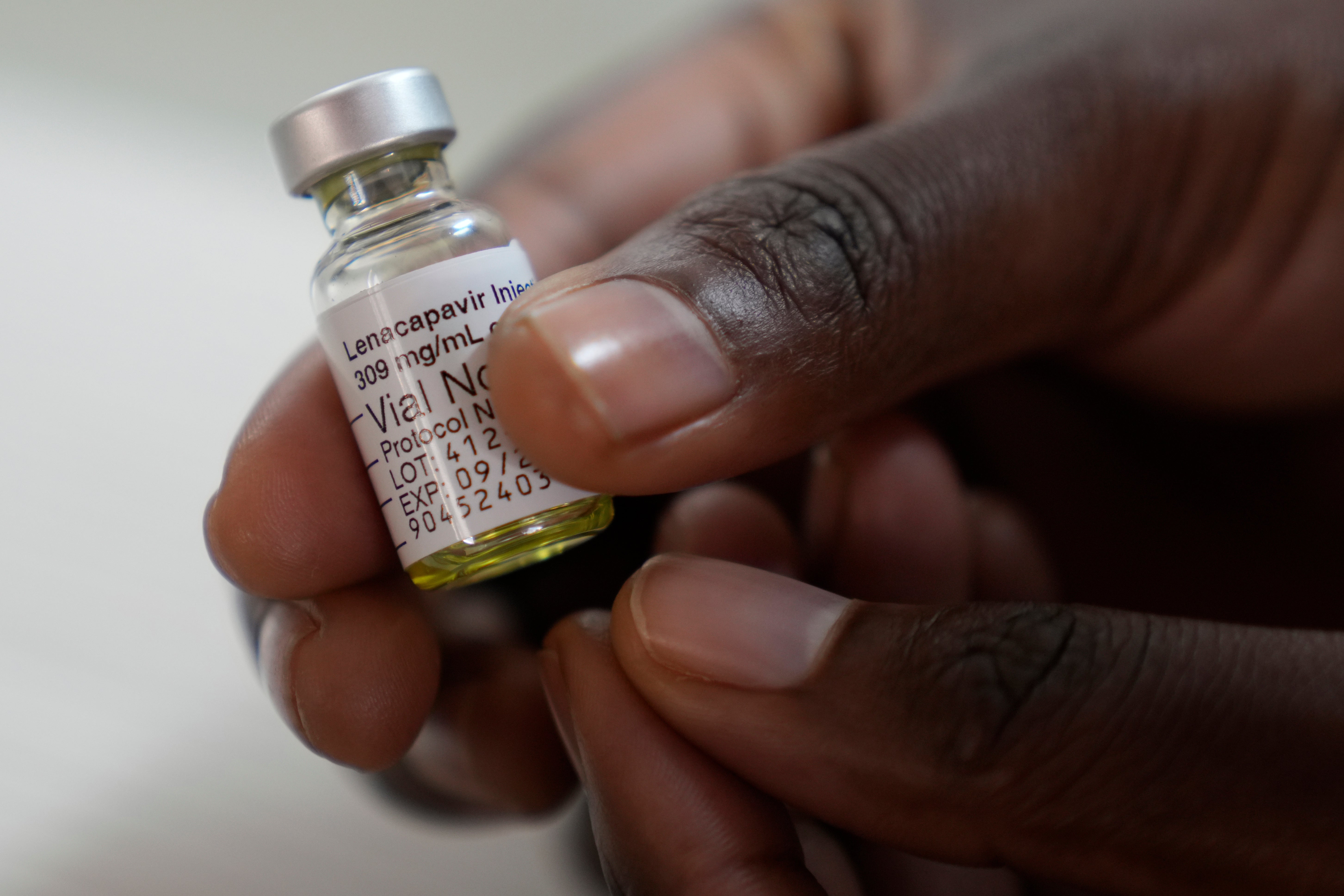 open image in galleryDoses to protect 500 people for a year arrived in Eswatini, where nearly one in four people are living with HIV (AP)
Anne Aslett, CEO of the Elton John Aids Foundation, cautiously welcomed the progress.
“The fact that there are doses arriving in Eswatini... at the same time that it's becoming available in, for example, the United States is unprecedented. This has never happened before,” she said of supplies for 500 people landing in the small southern African nation under the Gilead agreement.
Earlier in the Aids crisis, the hardest-hit countries in Southern Africa didn’t receive antiretroviral medication for more than a decade after the US and the UK.
“We're on the brink of new technologies with long-acting injectable medications like lenacapavir,” Ms Aslett said, which was, “as close to a vaccine as we've ever had and could absolutely revolutionise the way that we address new infections, particularly for vulnerable populations”.
But, she added, “at exactly the same time, we are seeing a massive drop in the funding that would sustain and accelerate those things that work,” she said.
The foundation is involved in work to help get countries ready to make use of the jab.
The biggest gains are to be had by targeting prevention at the groups at highest risk from HIV, including girls and young women as well as LGBT+ populations and sex workers. Yet these groups have been left out of the scant prevention services the US still covers, leaving “massive gaps”. The US used to fund the vast majority of the world’s supply of oral preventative drug pre-exposure prophylaxis (PrEP).
“If those vulnerable populations - LGBTQ, young women, people who use drugs - if they're excluded from things like lenacapavir, then you're not going to contain the epidemic,” Ms Aslett said.
Her organisation is investing in new tools like drone deliveries of drugs and testing kits, which she sees as the future of treatment.
“It's revolutionising the idea of having to build huge amounts of bricks-and-mortar facilities.
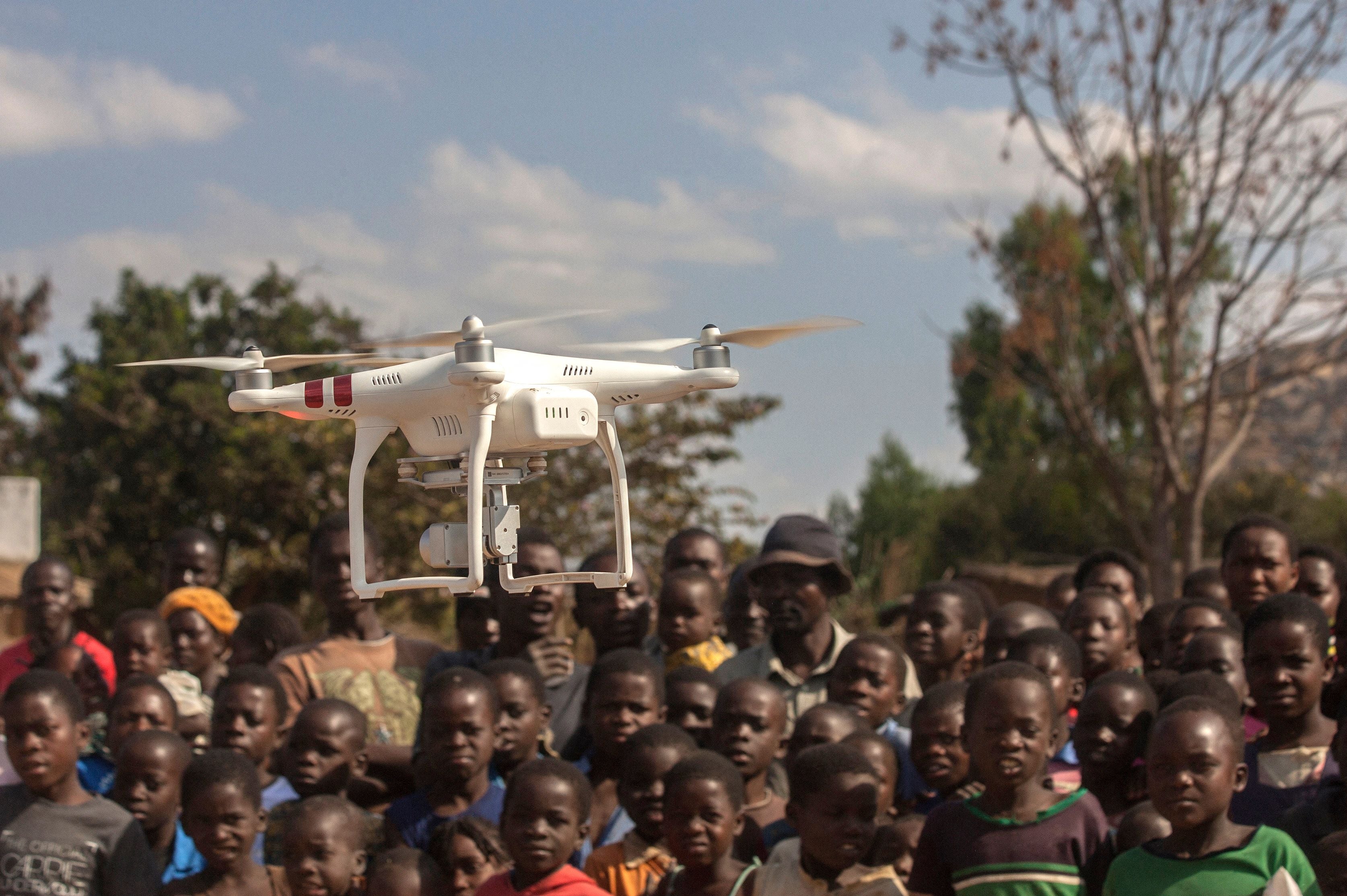 open image in galleryDrones have been trial to transport test samples and deliver testing kits and drugs. (AFP via Getty Images)
“For the longest time,” she said, “all the money, the resources, the know-how, the medicine, everything was flowing from the Global North to the Global South and now what we're doing in sub-Saharan Africa is actually way more sophisticated than what we're doing in the UK”.
It’s inspiring some of the foundation’s work at home, including a digital pilot in North East London to get PrEP direct to consumers - including all the necessary tests - without ever having to go into your GP or a sexual health clinic.
Mike Podmore, CEO of leading HIV charity STOPAIDS, said UK contributions weren’t just charity but an investment in its own economy and health - as he called on the government to honour existing funding commitments to the HIV response, and increase them in future.
For example, he said, the UN’s medicines access agency, Unitaid, “ploughs significant funding back into the UK economy and UK life sciences,” to the tune of roughly £250 million over 10 years to universities.
This research and work to make drugs accessible also benefits people in the UK living with HIV, he added.
“There isn't this distinction or dividing line between the impact for UK patients and the public and patients around the world because of course, access to these new tools is available to everybody”.
The UK too has set a goal to end new HIV transmissions by 2030.
Mr Podmore said: “The rollout of lenacapavir here and and other types of long-acting prevention will have a really important impact and role here in the UK just as it will abroad”.
Sign our petition for Keir Starmer to protect HIV funding here.
This article was produced as part of The Independent’s Rethinking Global Aid project
More about
Rethinking Global AidHIVDonald TrumpJoin our commenting forum
Join thought-provoking conversations, follow other Independent readers and see their replies
Comments