- News
- World
- Americas
- US politics
Campaigners have claimed that defining what pornography actually is could be too difficult to determine whether OnlyFans creators should be exempted from the ‘no tax on tips’ law
Owen ScottTuesday 02 December 2025 10:33 GMTComments
 CloseTreasury Secretary says Big, Beautiful Bill includes 'backdoor for privatizing Social Security'
Sign up for the daily Inside Washington email for exclusive US coverage and analysis sent to your inbox
Get our free Inside Washington email
Get our free Inside Washington email
Email*SIGN UPI would like to be emailed about offers, events and updates from The Independent. Read our Privacy notice
IRS agents will be required to watch pornographic content on OnlyFans to determine if the content meets the “no tax on tips” law included in Donald Trump’s Big, Beautiful Bill.
The president’s controversial tax and spending policies were passed on July 4, 2025, with the slashing of taxes on tips being designed to incentivize people to earn more tips at work.
However, the new law included a caveat. Pornographic creators and actors, including OnlyFans influencers, were not entitled to have taxes waived on their work.
Some campaigners have argued that the wording is too vague, with one accountant telling The New York Times that the line of what is considered pornography is unclear.
“Where’s the line?” said Katherine Studley, who works with several OnlyFans creators. “Just because you’re on OnlyFans, that doesn’t necessarily mean it’s pornographic.
“You could have a cooking channel or a yoga channel.”
 open image in galleryIRS workers could be required to watch OnlyFans content to determine whether it meets the ‘No Tax on Tips’ law
Defining what pornography actually is has often proven difficult for lawmakers, meaning that it usually has to be judged on a case-by-case basis. When the First Amendment is used to defend pornography in court, lawmakers have to view the material in question to make a judgment.
That means taxpayers who report tips from OnlyFans will likely need to have their content viewed by an IRS agent.
“Ultimately, it would be the subjective determination of an IRS examiner or a Tax Court judge,” Thomas Gorczynski, a tax preparer, told The New York Times. “Sometimes you look at something and it’s clearly pornography, but sometimes you look at something and you think, ‘Eh it’s subjective. Somebody might be really into it.’”
Professions that do enjoy tax exemptions on their tips include bartenders, waiters, non-radio DJs, maids, plumbers, tattoo artists, gold caddies, and several dozen more.
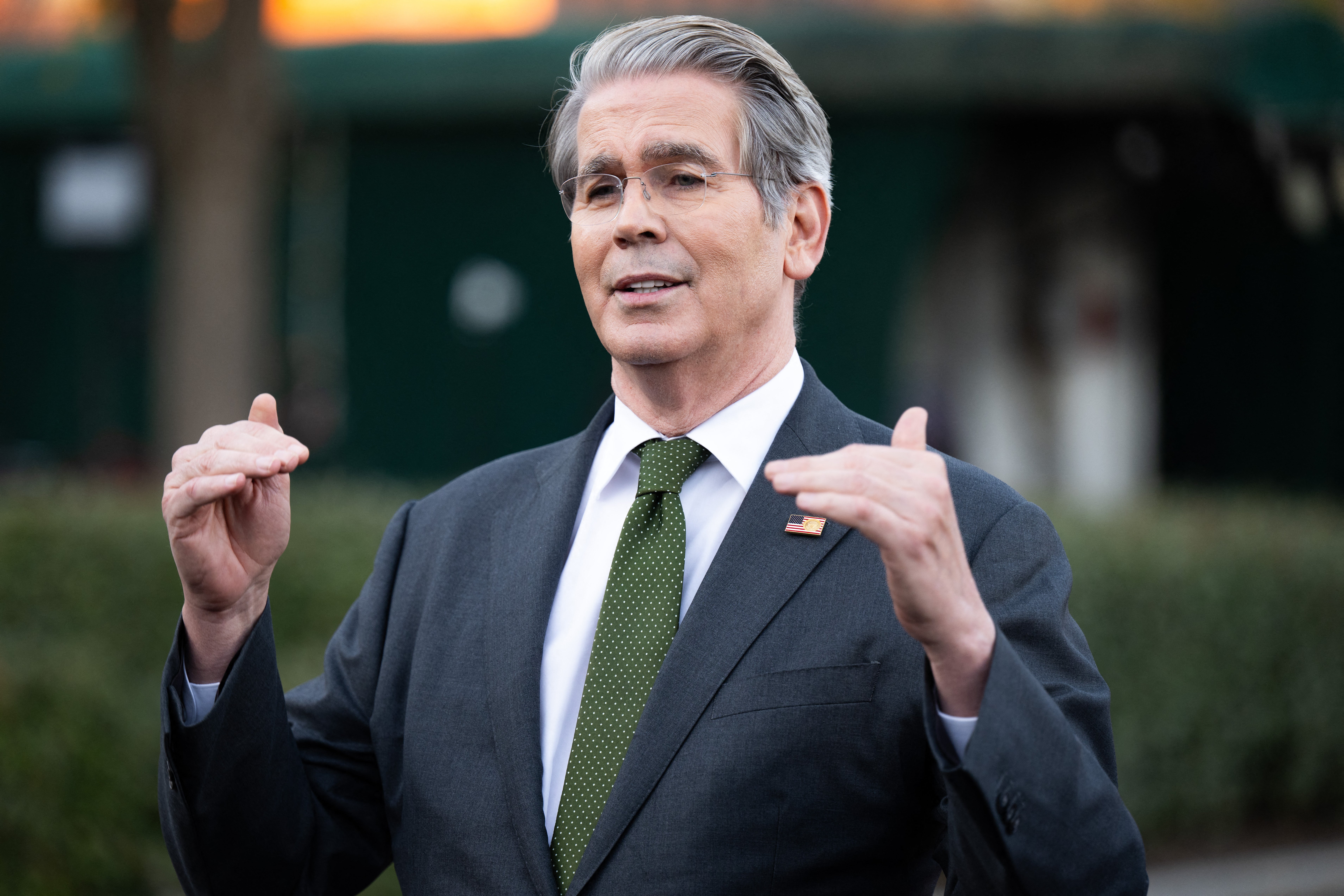 open image in galleryOnlyFans creators were exempted from the ‘No Tax on Tips’ law after campaigners wrote a letter to Treasury Secretary Scott Bessent (SAUL LOEB/AFP via Getty Images)
However, getting the policy into a workable state has been a lengthy process with calls for more jobs, including clergy members, chiropractors, and even Santa Claus performers, to be included in the bill.
The decision to exempt pornographic creators, who could have been exempted from tax as online creators, was made after Conservatives and Christian groups wrote a letter to Treasury Secretary Scott Bessent.
The letter suggested that the “government should not give tax breaks to predatory industries that profit from exploiting young men and women, destroying marriages, families, and lives.”
.jpg) open image in galleryCampaigners have called for the IRS to acknowledge that OnlyFans includes more than just pornographic content (Getty Images)
open image in galleryCampaigners have called for the IRS to acknowledge that OnlyFans includes more than just pornographic content (Getty Images)Meanwhile, OnlyFans has seen its popularity soar in recent years, with Forbes determining that $7.2 billion was spent on the website last year.
According to Addiction Help, around 67 percent of American men and 41 percent of women view pornography each year on sites including OnlyFans.
Statistics were particularly high among younger people, with 57 percent of people aged 18-25 admitting to watching adult content, compared to 29 percent of those aged 26 or older.
Project 2025, written by The Heritage Foundation, states that pornography should be outlawed in the United States, something Jessica Goedtel, a financial planner for sex workers, fears could be around the corner.
“This is the direction that the government is moving in,” she told The New York Times. “That could mean a full-scale ban on porn; it could mean something less than that, but it creates a lot of fear for my clients. The IRS could be used as a tool.”
More about
PornographyTaxThe New York TimesOnlyFansDonald TrumppoliciesTipstaxpayersJoin our commenting forum
Join thought-provoking conversations, follow other Independent readers and see their replies
Comments