- News
- Health
The treatment, known as Papillon, has been recommended by the National Institute for Health and Care Excellence (Nice)
Storm NewtonTuesday 02 December 2025 00:01 GMTComments
 CloseRelated: Fact check: Has Labour actually cut NHS waiting lists?
Sign up for our free Health Check email to receive exclusive analysis on the week in health
Get our free Health Check email
Get our free Health Check email
Email*SIGN UPI would like to be emailed about offers, events and updates from The Independent. Read our Privacy notice
A method that uses low-energy X-rays to treat a type of cancer has been given the green light for NHS use, giving patients the chance to avoid surgery.
The treatment, known as Papillon, has been recommended by the National Institute for Health and Care Excellence (Nice) for fit rectal cancer patients whose tumours measure 3cm or less, and who choose not to have surgery or are too high risk.
Papillon is a type of brachytherapy which involves inserting an X-ray tube through the anus and into the rectum to deliver low doses of radiation directly to tumours.
Without surgery, patients could bypass the need for a stoma – an opening in the abdomen connected to the digestive system that diverts waste into a bag worn on the outside of the body.
Nice said that avoiding this procedure “substantially improves” quality of life.
People with larger tumours may also become eligible for the Papillon procedure if other treatments reduce their tumour to 3cm or less.
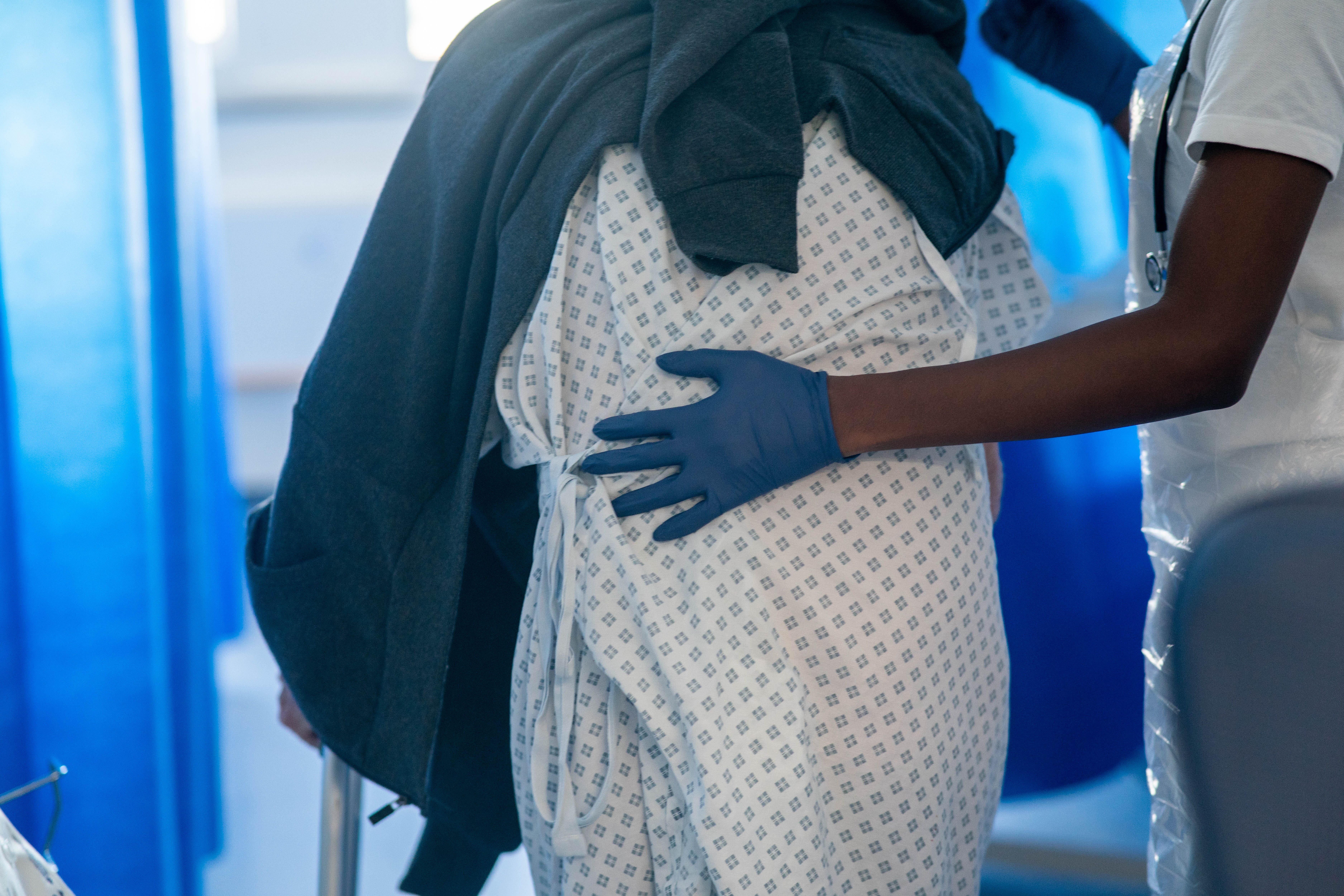 Avoiding a stoma ‘substantially improves’ quality of life (PA)
Papillon was pioneered by Professor Sun Myint, a consultant in clinical oncology at the Clatterbridge Cancer Centre in Merseyside.
He said: “I have been treating patients with this therapy for more than 33 years, which equates to about 3,000 people.
“This decision is a great victory for patients who will now have a choice for the treatment they prefer.
“It is wonderful that patients will now be given a choice of treatment and many of them will have a much better quality of life later because of it.”
Prof Myint led the Opera trial, which followed patients for five years.
It found Papillon helped preserve organs 93 per cent of the time in cases of rectal cancer where tumours measured 3cm or less.
Sharon Price was successfully treated as part of the study after being diagnosed with rectal cancer at 45.
Main symptoms of bowel cancer
NHS
Symptoms of bowel cancer may include:
- changes in your poo, such as having softer poo, diarrhoea or constipation that is not usual for you
- needing to poo more or less often than usual for you
- blood in your poo, which may look red or black
- bleeding from your bottom
- often feeling like you need to poo, even if you've just been to the toilet
- tummy pain
- a lump in your tummy
- bloating
- losing weight without trying
- feeling very tired or short of breath – these are signs of anaemia, which can be caused by bowel cancer
The NHS worker from Newcastle-under-Lyme in Staffordshire said: “I was faced with the possibility of surgery, which would mean that I’d have to live with a stoma for the rest of my life.
“That was devastating – I was just too young to have to go through that. I was offered the chance to join the clinical trial, and I decided to do it immediately.”
Dr Caroline Brammer, medical director at The Clatterbridge Cancer Centre, said: “Prof Myint is a world authority on the Papillon technique and thousands of Clatterbridge patients have benefited from this non-surgical treatment over the decades.
“It is heartening to know that many more patients across the NHS will now have the same opportunity.
“This development will help reduce surgical waiting lists and costs to the NHS and improve quality of life for many patients with rectal cancer.”
Prof Myint, who is 77 and still working as a consultant, said: “I feel that I have done my job and I can now hang up my gloves, but not until this treatment is embedded as the standard of care in the NHS and across the world.”
Colorectal cancer – which includes cancers of the rectum, bowel and colon – is the fourth most common cancer in the UK, with more than 41,000 new cases diagnosed every year.
More about
NHSCancerNiceNational Institute for Health and Care ExcellenceJoin our commenting forum
Join thought-provoking conversations, follow other Independent readers and see their replies
Comments

