- News
- Health
Experts want it to be easier for pregnant women to be able to differentiate between low-alcohol and alcohol-free options
Storm NewtonMonday 01 December 2025 00:01 GMTComments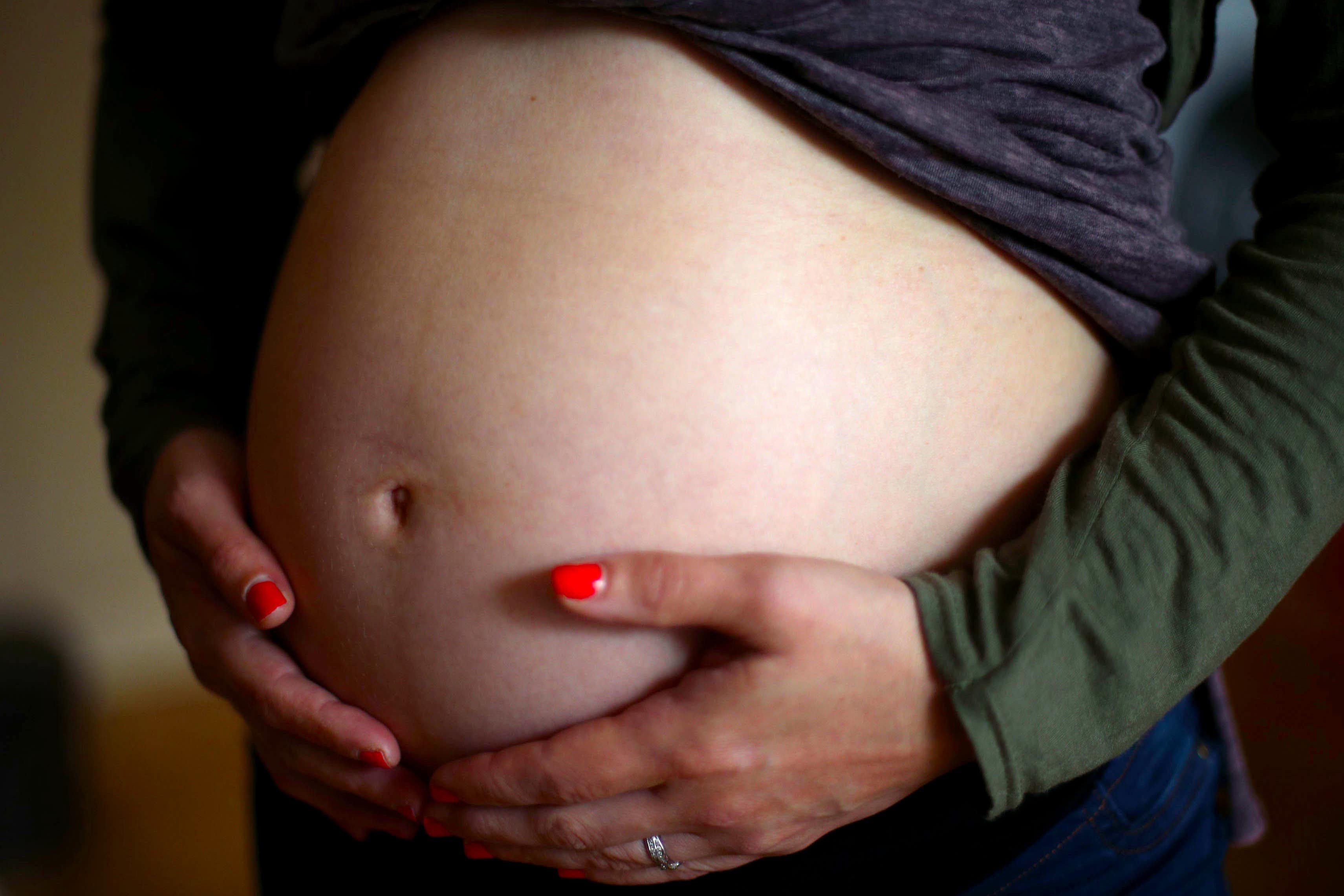 open image in galleryThere have been calls for clearer labelling on low-alcohol and alcohol-free options for pregnant women (Yui Mok/PA) (PA Archive)
Sign up for our free Health Check email to receive exclusive analysis on the week in health
Get our free Health Check email
Get our free Health Check email
Email*SIGN UPI would like to be emailed about offers, events and updates from The Independent. Read our Privacy notice
Experts are calling for clearer labelling on low-alcohol drinks to distinguish them from alcohol-free options, amid growing popularity among pregnant women and a significant lack of information.
The plea follows a new survey revealing that seven in 10 expectant mothers have consumed "no/lo" beverages during pregnancy, despite over half feeling there is insufficient guidance available.
A study by the University of Plymouth, on behalf of Alcohol Change UK, surveyed over 2,000 currently or recently pregnant women, finding that 71 per cent had consumed a no/lo drink.
Of these, 72 per cent viewed them as a safer alternative to alcohol, and 69 per cent felt they helped them feel included in social events.
However, 55 per cent of women surveyed reported receiving no information on no/lo options from their midwife or GP.
While 78 per cent deemed drinks clearly labelled 0 per cent or alcohol-free as ‘very acceptable’ during pregnancy (80 per cent when breastfeeding), only 11 per cent found low-alcohol drinks (0.5-1.2 per cent ABV) ‘very acceptable’ while pregnant, rising to 40 per cent when breastfeeding.
Ailar Hashemzadeh, director of research and public affairs at Alcohol Change UK, said: "Many people try to avoid alcohol when pregnant, and the growing number of alcohol-free and low-alcohol beers, wines and cocktails offers a way to do that while still enjoying what feels like a ‘grown up’ drink."
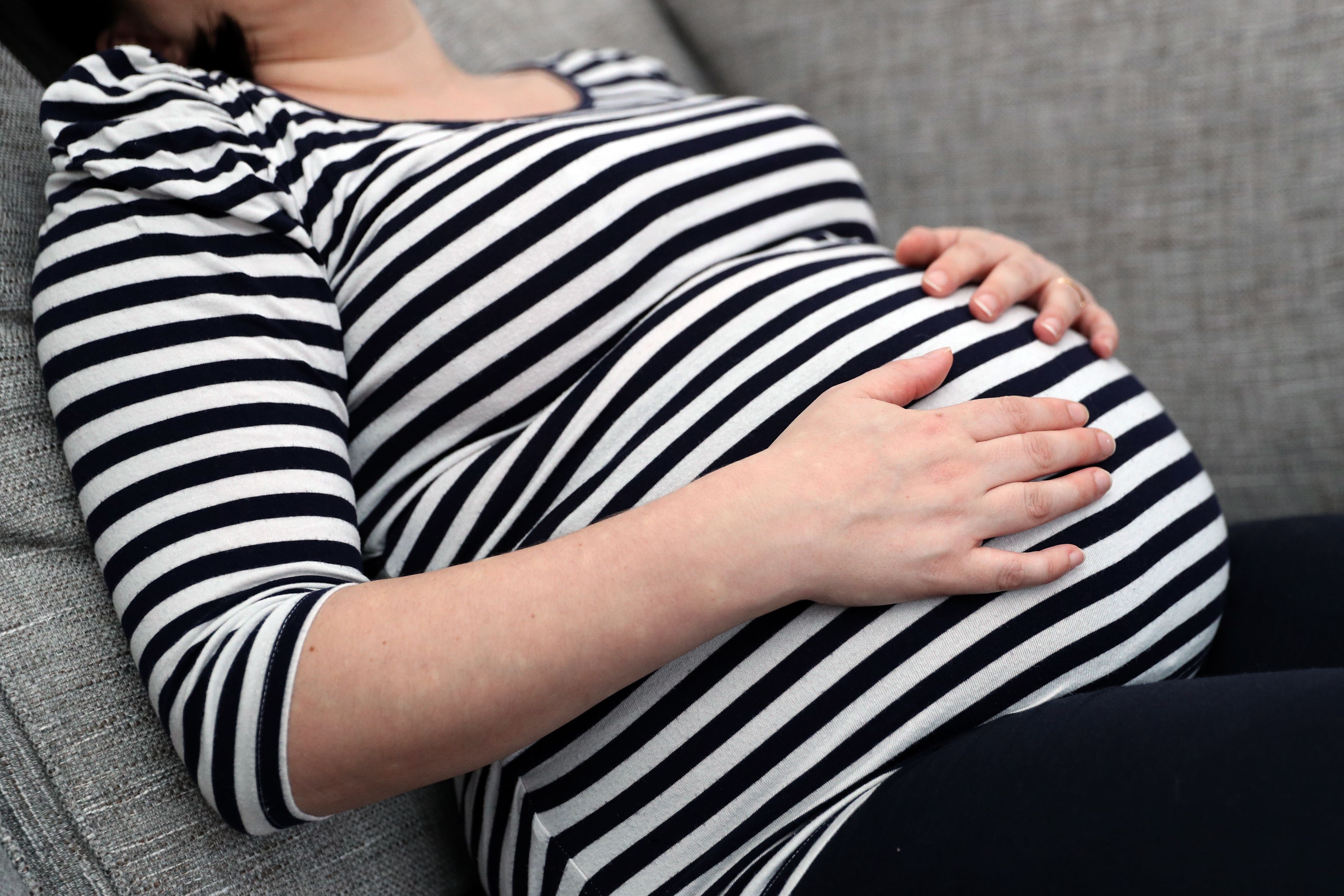 open image in galleryA study found 71 per cent of pregnant women had consumed a no/lo drink (PA) (PA Archive)
She added: "What this research has found, however, is that there is a lot of uncertainty and a lot of guesswork going on, particularly with drinks that aren’t completely alcohol-free."
Ms Hashemzadeh concluded: "expectant parents would really benefit from clear advice from trusted professionals on when and how to use these drinks."
Alcohol Change UK is now calling for more clarity around alcohol-free and low-alcohol drinks during pregnancy, specifically those in the 0.05-1.2 per cent ABV category.
The charity urges that healthcare professionals be provided with information on their consumption during pregnancy and breastfeeding to ensure consistent advice, and that labelling on low-alcohol drinks be improved to set them apart from alcohol-free drinks.
They also called for organisations providing advice to pregnant and breastfeeding women about alcohol to include specific guidance on these options.
Dr Kate Maslin, senior research fellow in maternal and child health at the University of Plymouth, and project lead, said: "Alcohol-free drinks have clearly found favour among pregnant and recently pregnant women as they look to make safer choices when socialising during pregnancy."
She added: "Yet, what really shone through, both in the data and when speaking with individuals to explore their experiences and attitudes further, was a feeling that information about the safety and suitability of these alternatives, particularly from healthcare and pregnancy professionals, has not kept pace."
Dr Maslin also noted that the World Health Organisation "advises there is no known safe level of alcohol consumption during pregnancy," and that the growing popularity of no/lo products has led to "reliance on internet searching and social media for guidance on their use during pregnancy, both of which can contain misinformation or conflicting information."
She concluded: "Alongside further research into the safety and suitability of alcohol-free and low-alcohol drinks during pregnancy, it’s important that those engaging with and supporting pregnant women are equipped to give clear, consistent advice."
More about
PregnancyResearchExpertsAlcoholMothersJoin our commenting forum
Join thought-provoking conversations, follow other Independent readers and see their replies
Comments