 Credit: Lucas Gouveia/Android Police
 By
Rajesh Pandey
Published 39 minutes ago
Rajesh started following the latest happenings in the world of Android around the release of the Nexus One and Samsung Galaxy S. After flashing custom ROMs and kernels on his beloved Galaxy S, he started writing about Android for a living. He uses the latest Samsung or Pixel flagship as his daily driver. And yes, he carries an iPhone as a secondary device. Rajesh has been writing for Android Police since 2021, covering news, how-tos, and features. Based in India, he has previously written for Neowin, AndroidBeat, Times of India, iPhoneHacks, MySmartPrice, and MakeUseOf. When not working, you will find him mindlessly scrolling through X, playing with new AI models, or going on long road trips. You can reach out to him on Twitter or drop a mail at [email protected].
Sign in to your Android Police account
Summary
Generate a summary of this story
follow
Follow
followed
Followed
Like
Like
Thread
Log in
Here is a fact-based summary of the story contents:
Try something different:
Show me the facts
Explain it like I’m 5
Give me a lighthearted recap
By
Rajesh Pandey
Published 39 minutes ago
Rajesh started following the latest happenings in the world of Android around the release of the Nexus One and Samsung Galaxy S. After flashing custom ROMs and kernels on his beloved Galaxy S, he started writing about Android for a living. He uses the latest Samsung or Pixel flagship as his daily driver. And yes, he carries an iPhone as a secondary device. Rajesh has been writing for Android Police since 2021, covering news, how-tos, and features. Based in India, he has previously written for Neowin, AndroidBeat, Times of India, iPhoneHacks, MySmartPrice, and MakeUseOf. When not working, you will find him mindlessly scrolling through X, playing with new AI models, or going on long road trips. You can reach out to him on Twitter or drop a mail at [email protected].
Sign in to your Android Police account
Summary
Generate a summary of this story
follow
Follow
followed
Followed
Like
Like
Thread
Log in
Here is a fact-based summary of the story contents:
Try something different:
Show me the facts
Explain it like I’m 5
Give me a lighthearted recap
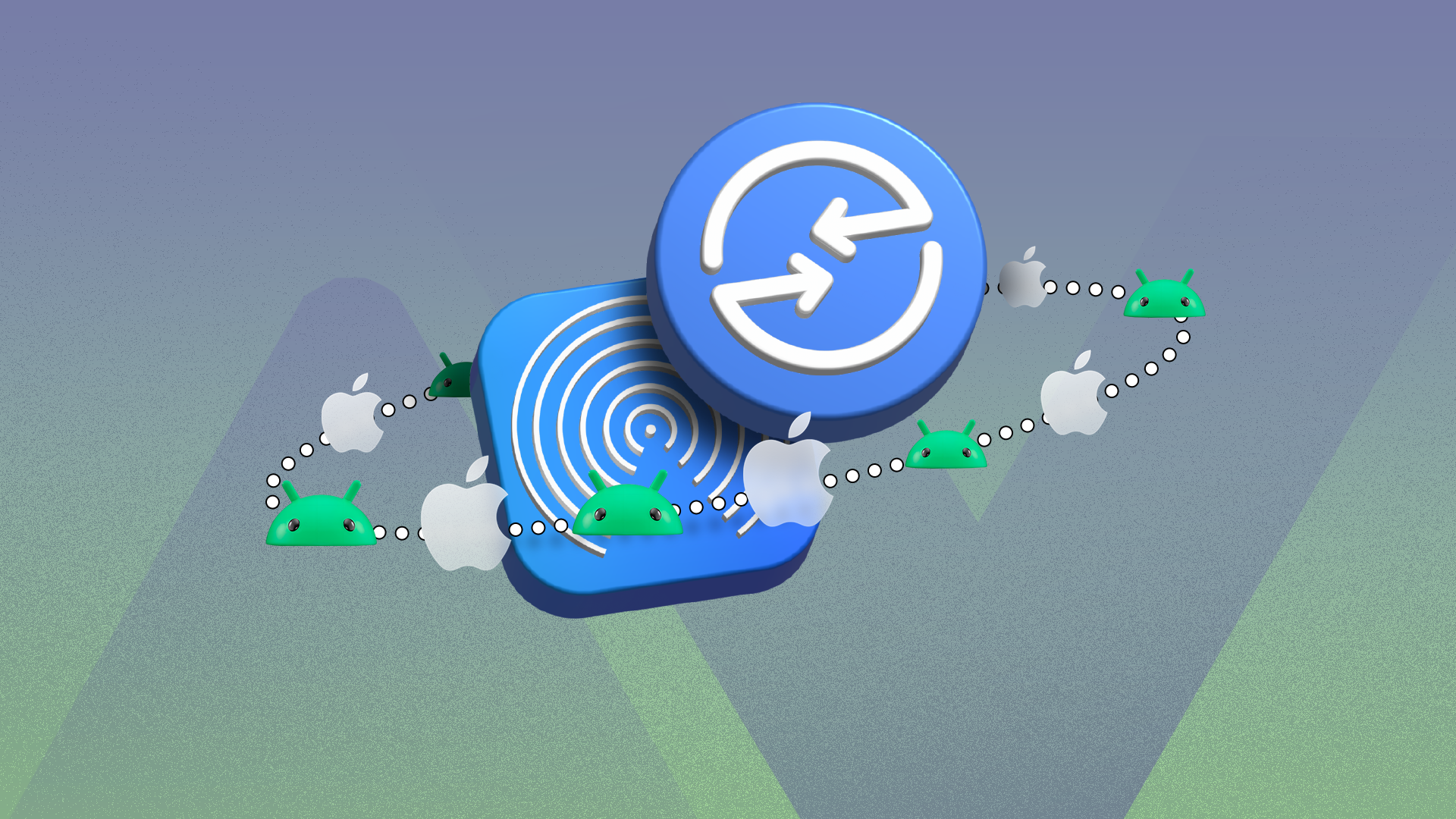
Google pulled off the unthinkable by making Quick Share compatible with AirDrop, finally allowing you to seamlessly share files between Android and Apple devices.
Still, there are plenty of features the two companies need to work on together to make their platforms more agnostic and improve the everyday user experience.
There are still many core features across both operating systems that remain locked behind their ecosystem walls — walls that need to come down now.
 Related
How to use Android's Quick Share feature
Related
How to use Android's Quick Share feature
Sharing between devices doesn't have to be a whole thing.
Posts By Conor Cawley Nov 21, 2025Find My and Find Hub should talk to each other
The cross-platform gap in device tracking
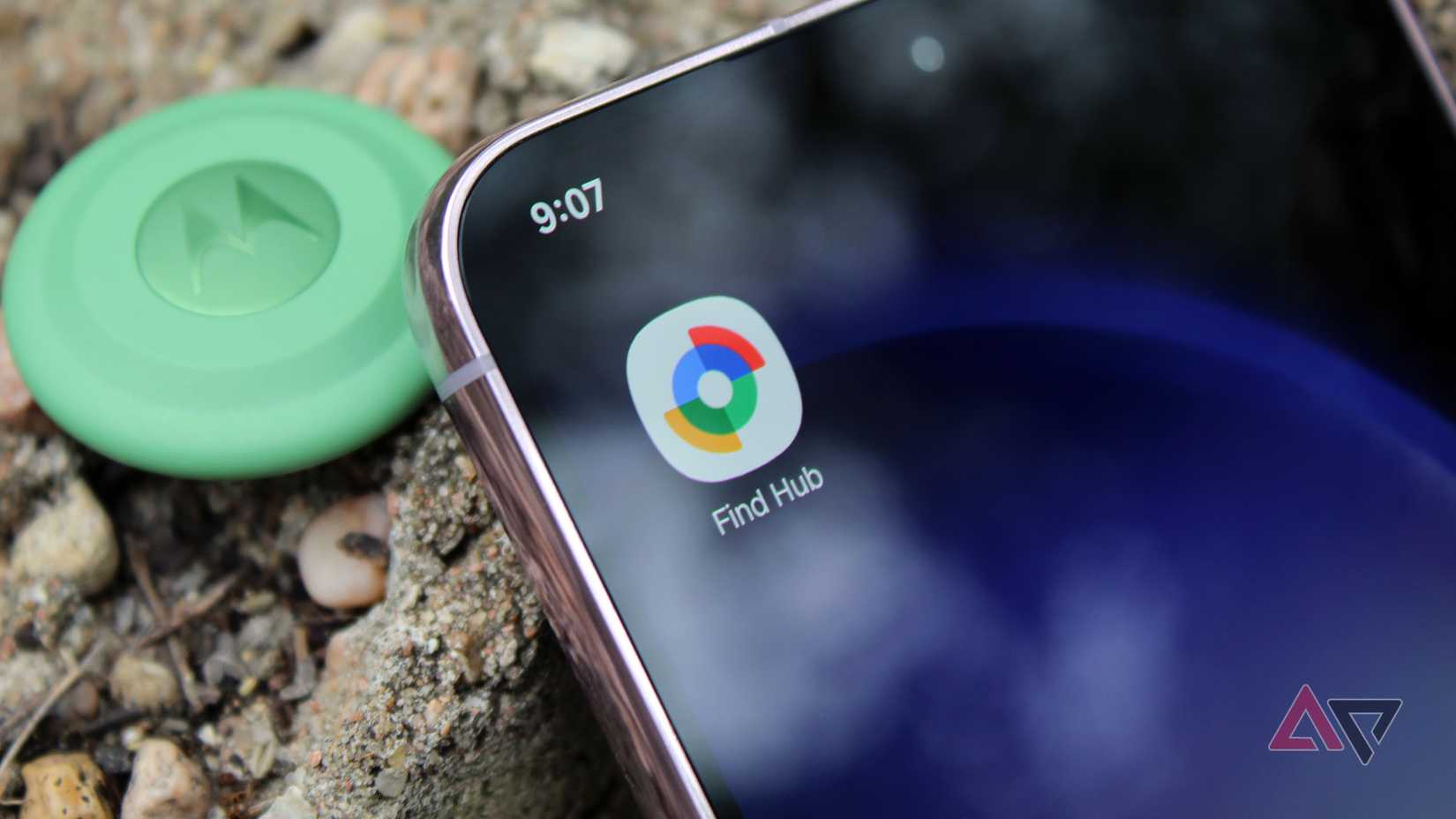
It took Google a while, but it finally offers Apple-like Find My network for Android devices.
This ensures that even when your lost or stolen phone is not connected to the internet, it can relay its location to Google's servers by pinging other nearby Android devices.
And, like iPhones, it's now possible to track your Android phone for a few hours even after it's powered off.
On paper, Google's Find Hub and Apple's Find My network sound impressive. And they are. But they don't work with each other. And that's a problem.
There's no reason why your stolen Android phone should not be able to relay its location information to Google's servers through nearby iPhones — or vice versa.
The crowd-sourced tracking networks of both companies are massive, with millions (or billions) of devices helping each other stay discoverable.
But without interoperability, each system falls apart the moment you step outside its walled garden.
Imagine both Google and Apple's crowd-sourced tracking networks working seamlessly together. That would make them more powerful and safer. You'd be able to easily find your lost Pixel in an iPhone-dominated neighborhood or vice versa.
If both companies truly cared about user safety over ecosystem lock-in, this is the kind of collaboration they should work on.
Standardized Bluetooth device pairing
One shared standard to fix the messy pairing experience
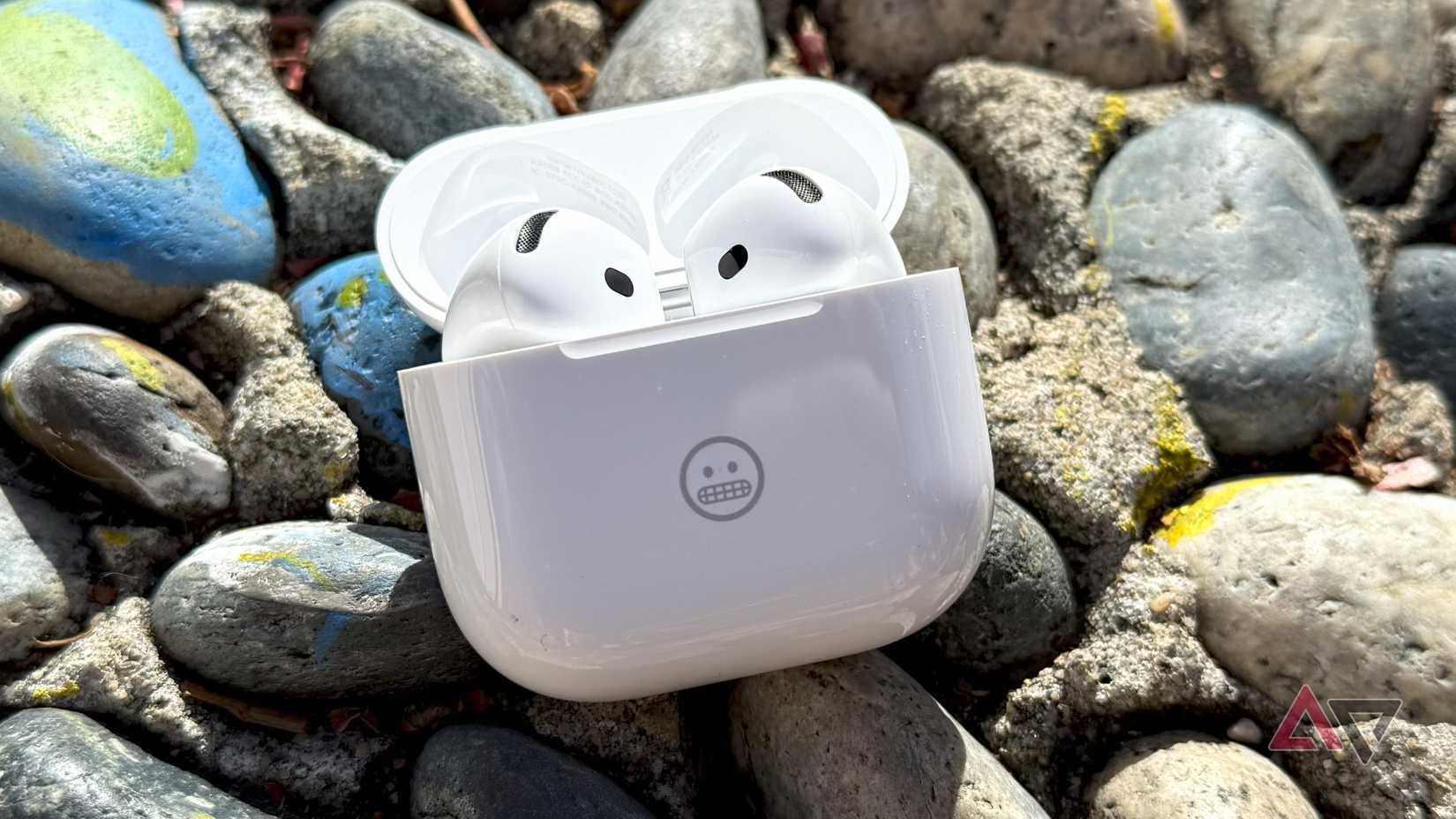
Pairing AirPods or an Apple Watch with an iPhone is a seamless experience. Simply bring your AirPods close to your iPhone, and a pairing pop-up appears instantly.
It's the same when trying to pair an Apple Watch. You only need to power it on and bring it next to the iPhone to initiate the pairing process.
In the Android ecosystem, pairing a Fast Pair-compatible Bluetooth earbuds or Wear OS watch is equally seamless.
But try pairing a flagship Sony earbuds with an iPhone. Or an AirPods with an Android. The experience is far more convoluted than it should be.
Both Apple and Google have their proprietary fast-pairing technology for Bluetooth devices. They are not interoperable, meaning we, the end users, have to deal with an inconsistent and frustrating pairing experience when switching ecosystems.
This should not be the case. With more accessories using Bluetooth than ever before, Google and Apple should collaborate and standardize a fast pairing standard.
A shared protocol will make it much easier to pair and set up new Bluetooth accessories, irrespective of whether you use an Android or an iPhone.
If we can standardize on USB-C for charging and data transfer across laptops, phones, and other devices, then there's no reason we can't apply the same logic to Bluetooth pairing.
Universal Satellite SOS
In a crisis, compatibility shouldn't get in the way of help
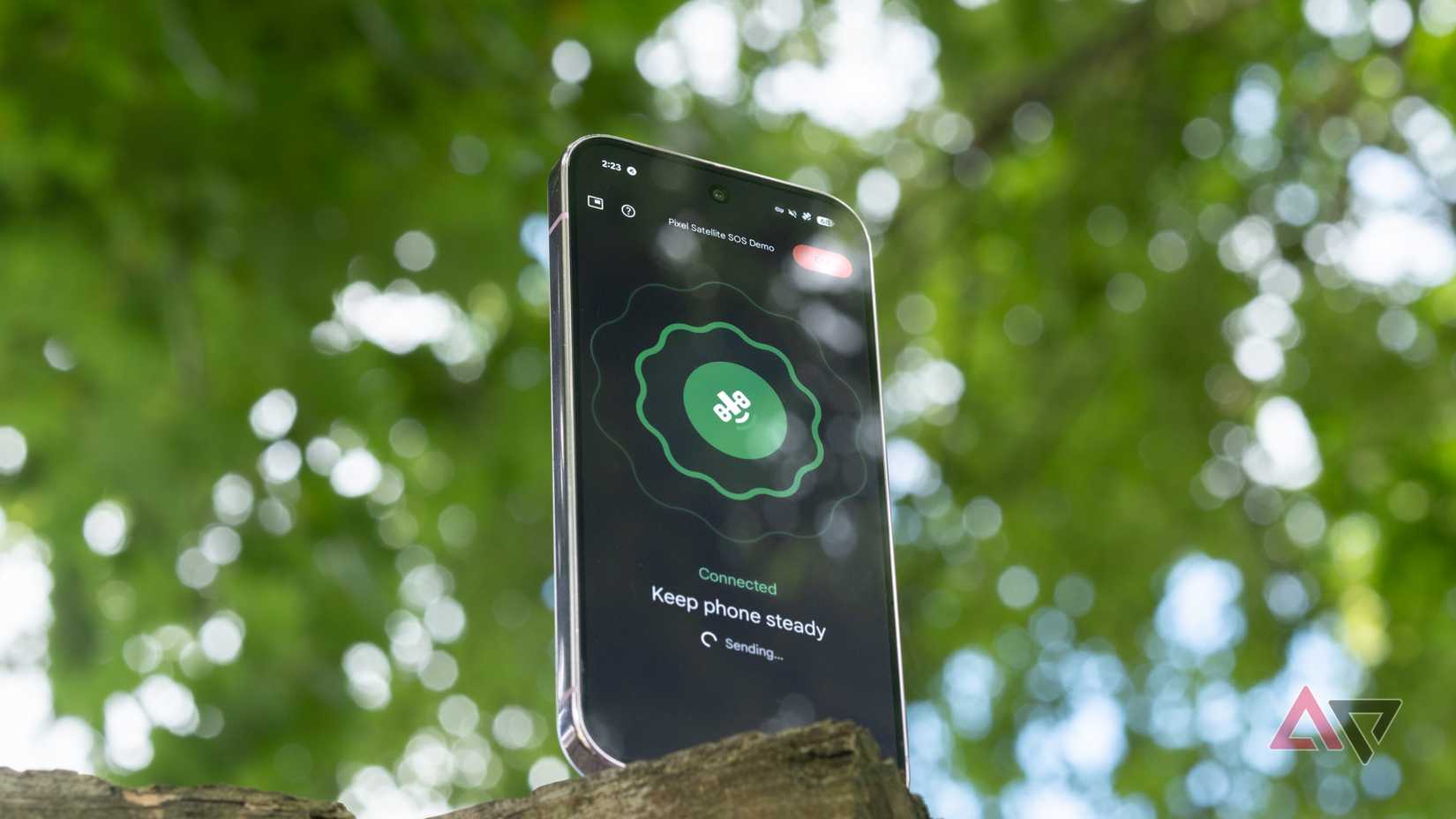
Emergency satellite messaging on phones solves a key problem: ensuring you can reach out to emergency services or your friends or family in a no-network zone.
Given how important this life-saving feature is, Google and Apple should work together to make it interoperable.
Right now, Apple's emergency satellite connectivity feature is more polished than anything in the Android ecosystem.
Besides Emergency SOS, there's Roadside Assistance, Messages integration, and location sharing through Find My. More importantly, Apple's satellite connectivity works in a lot more countries.
In comparison, the Pixel 9 and Pixel 10 are the only two Android phones to support emergency Satellite SOS connectivity. But its coverage is limited only to the US for now.
Apple and Google aim to solve the same problem: provide off-grid connectivity in an emergency. Yet, they are not interoperable with each other, operating in a vacuum.
Apple should let compatible Android phones tap into its satellite network in regions where Google does not offer satellite coverage, at least in an emergency. It can disable all other features, only letting Android users reach out to emergency services.
There are plenty of technical (and monetary) challenges here beyond just adding software support.
Still, Apple and Google should standardize emergency satellite connectivity across both platforms.
A walled garden shouldn't be the reason someone can't reach emergency services in a life-threatening situation.
Universal smartwatch support
Pairing, syncing, and tracking should work everywhere, for everyone

Just like Bluetooth headphones and other similar accessories, Android and iPhone should have basic universal smartwatch compatibility.
If I switch from an Android phone to an iPhone tomorrow, there's no reason why I'll have to ditch my fully functioning Pixel Watch 4.
Similarly, someone ditching their iPhone and switching to an Android phone should not be forced to dump their Apple Watch as well.
Apple and Google can limit some advanced features to their respective wearable platforms. But the basics, like notifications, fitness tracking, and health data syncing, should work across the two operating systems. Just like they do with Fitbit, Garmin, and other cross-platform wearables.
Both smartwatch platforms rely on a companion app and health platform for data syncing. So, with a little cooperation and a lot of intention, Apple and Google could make the Apple Watch and Pixel Watch platform-agnostic.
Cross-platform health data sharing
It's time to free your health data

There's no reason we shouldn't be able to migrate our health data between Android and iPhone.
I can't import my two years of Fitbit health data to Apple Health, nor can I transfer Apple Health data back to Fitbit — and that shouldn't be the case.
After all, it's my data. I own it, and I should have the right to move it seamlessly between services.
I've been using smartwatches for over a decade now. While I've primarily used Android Wear, Fitbit, or Wear OS watches, I used an Apple Watch regularly for over a year in 2021.
Across all these health platforms, I've accumulated important health data, including my steps, heart rate, sleep cycle, and VO2 Max.
And I can't move them with me when I switch ecosystems. Instead, I'm forced to leave my past health history and valuable data behind, which makes no sense for something as essential as health data.
If Apple and Google genuinely care about improving users' health through their platforms, they should work together to address this limitation. They could develop a common framework that keeps our health data private and secure, yet still easily shareable across ecosystems.
It's time for Apple and Google to meet in the middle
Google managed to add AirDrop compatibility to Quick Share without Apple's support. Unfortunately, that won't be possible for the features mentioned above.
Still, Google and Apple have worked together in the past to bridge the ecosystem gap for user convenience.
Here's hoping both companies put everyday user experience ahead of their walled gardens and finally make some of their core platform features interoperable.
If not, it's only a matter of time before the European Union and other regulators step in to force them to make this change.
-
 Operating Systems
We want to hear from you! Share your opinions in the thread below and remember to keep it respectful.
Be the first to post Images Attachment(s) Please respect our community guidelines. No links, inappropriate language, or spam.Your comment has not been saved
Send confirmation emailThis thread is open for discussion.
Be the first to post your thoughts.
- Terms
- Privacy
- Feedback
 3 days ago
Google’s in no hurry to fix the Pixel 10’s shaky video bug
 4 days ago
Android 17 might finally bring this popular iOS feature to your device
 3 days ago
Google Messages will soon let you open shared media immediately after saving it
 3 days ago
Follow up questions on Circle to Search now default to AI Mode
Trending Now 6 reasons I bailed on YouTube Music and landed on Spotify's free tier
 Missing Univision on YouTube TV? The channels are finally returning now
 OnePlus 15R's battery might put most flagships to shame