By Hannah MillingtonShareNewsweek is a Trust Project member
Bird flu viruses appear to replicate and thrive at temperatures higher than a typical fever—one of the body’s key protective ways of stopping viruses.
This threat to human health has been outlined in new international research led by the University of Cambridge in England and the University of Glasgow in Scotland, shedding new light on how fever stops viruses and why some viruses can survive.
This follows reports of an “older adult” from Washington in the U.S. dying from a strain of the bird flu virus called H5N5 on November 21, 2025.
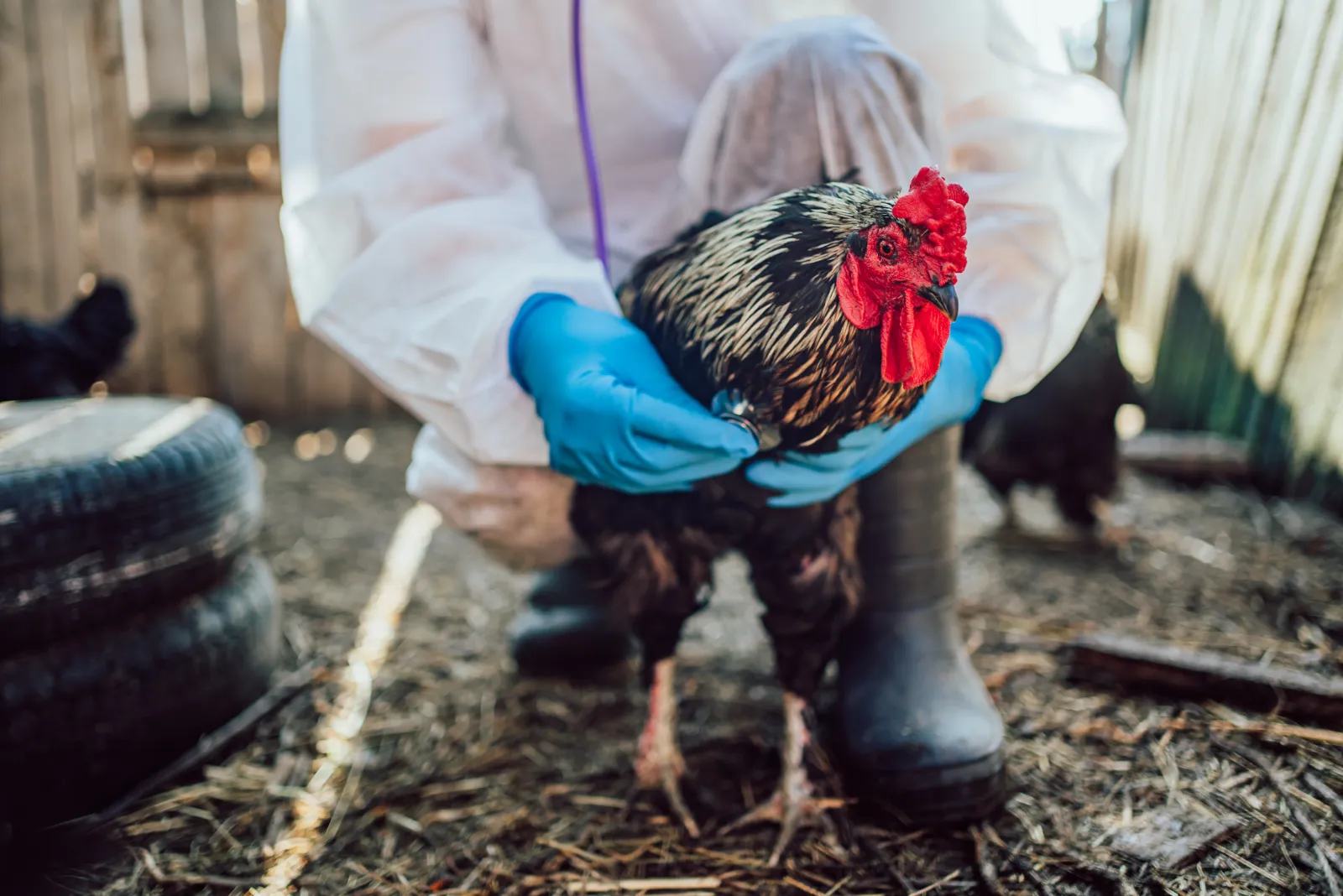 ...
...“Testing at the UW Medicine Clinical Virology Lab identified the virus as H5N5, making this the first recorded infection with this variant in a person globally. The result was confirmed by the Centers for Disease Control and Prevention (CDC),” said the Washington State Department of Health in a statement.
It added the risk to the public remains low though it will continue to monitor anyone who was in close contact with the patient for symptoms to ensure that human-to-human spread has not occurred.
In the new study, the researchers discovered a gene that plays an important role in setting the temperature sensitivity of a virus. In the flu pandemics of 1957 and 1968, this gene transferred into human flu viruses with the resulting outbreaks thriving.
The most common types of human flu viruses are influenza A viruses, usually thriving in the upper respiratory tract where the temperature is around 33°C. Deep in the lungs in the lower respiratory tract, the temperature is around 37°C.
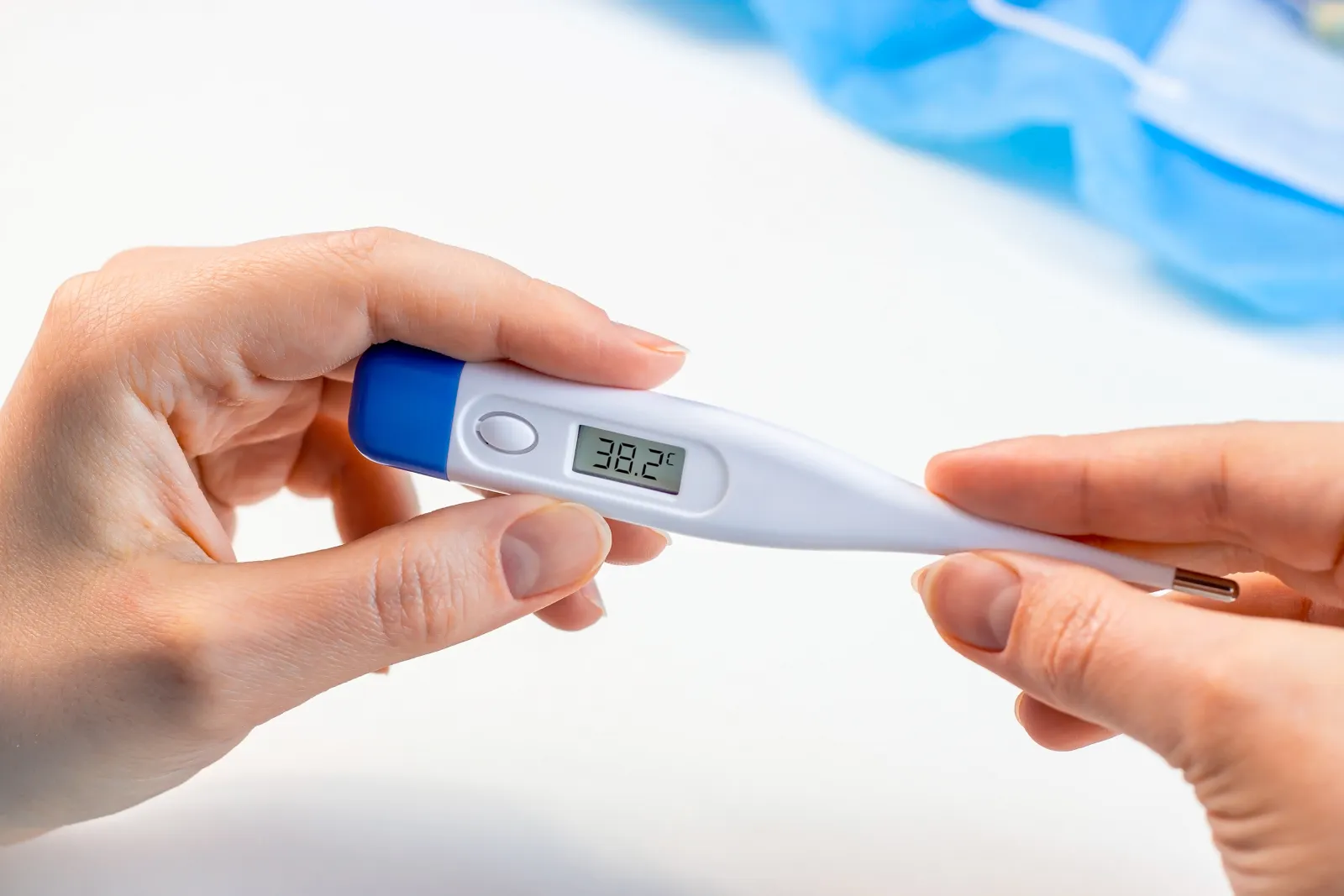
A virus can replicate and spread throughout the body and cause illness to different severities. Fever works as a natural self-defence mechanism, causing our body temperatures to reach as high as 41°C.
Unlike human flu viruses, avian influenza viruses, or bird flu, tend to thrive in the lower respiratory tract, according to the researchers.
“Thankfully, humans don’t tend to get infected by bird flu viruses very frequently, but we still see dozens of human cases a year. Bird flu fatality rates in humans have traditionally been worryingly high, such as in historic H5N1 infections that caused more than 40 percent mortality,” said study author professor Sam Wilson of the University of Cambridge in a statement.
“Understanding what makes bird flu viruses cause serious illness in humans is crucial for surveillance and pandemic preparedness efforts. This is especially important because of the pandemic threat posed by avian H5N1 viruses.”
In their natural hosts, which include ducks and seagulls, the avian virus often infects the gut, where temperatures can reach 40–42°C.
 ...
...Previous studies using cultured cells have shown bird flu viruses appear more resistant to temperatures typically seen in fever in humans. The new study using mice infected with influenza viruses, however, helps explain how fever protects us and why it may not be enough to protect us against bird flu.
The team simulated in mice what happens during a fever in response to influenza infections using a lab-adapted influenza virus of human origin, known as PR8, which does not pose a risk to humans.
Although mice do not typically develop a fever in response to influenza A, the researchers explained, they mimicked its effect on the virus by raising the body temperature of the mice. They showed that raising it to fever levels is effective at stopping human-origin flu viruses from replicating, but it is unlikely to stop avian flu viruses.
Fever protected against severe infection from human-origin flu viruses, the team reported, with just a 2°C increase in body temperature enough to turn a lethal infection into a mild disease.
They also revealed the PB1 gene of the virus—important in the replication of the virus genome inside infected cells—plays a key role in setting the temperature-sensitivity.
Viruses carrying an avian-like PB1 gene were able to withstand the high temperatures associated with fever and caused severe illness in the mice. This is important, the researchers emphasized, because human and bird flu viruses can ‘swap’ their genes when they infect a host—like pigs—at the same time.
“The ability of viruses to swap genes is a continued source of threat for emerging flu viruses. We’ve seen it happen before during previous pandemics, such as in 1957 and 1968, where a human virus swapped its PB1 gene with that from an avian strain. This may help explain why these pandemics caused serious illness in people,” said study author Matt Turnbull of the University of Glasgow in a statement.
“It’s crucial that we monitor bird flu strains to help us prepare for potential outbreaks. Testing potential spillover viruses for how resistant they are likely to be to fever may help us identify more virulent strains.”
The team emphasized more research is needed before changes are considered to treatment guidelines.
According to the Washington State Department of Health, there is currently no evidence of transmission of the H5N5 virus between people in regards to the recent case and the person who died had a backyard flock of mixed domestic birds.
However, this further highlights the importance of future-proofing and preparing for potential bird flu outbreaks among people.
Newsweek has reached out to the researchers for additional comment.
Do you have a tip on a health story that Newsweek should be covering? Do you have a question about bird flu? Let us know via [email protected].
Reference
Turnbull, M. L., Wang, Y., Clare, S., Lieber, G., Williams, S. L., Noerenberg, M., Alexander, A. J. T., Hendry, S. C., Stewart, D. G., Hughes, J., Swingler, S., Lytras, S., Davies, E. L., Harcourt, K., Smollett, K., Pinto, R. M., Lee, H.-M., Gaunt, E. R., Loney, C., Jung, J. S., Lyons, P., Kapczynski, D., Hutchinson, E., Filipe, A. d. S., Taubenberger, J., Rihn, S., Baillie, K., Fodor, E., Castello, A., Smith, K. G., Digard, P., & Wilson, S. J. (2025). Avian-origin influenza A viruses tolerate elevated pyrexic temperatures in mammals. Science. https://doi.org/10.1126/science.adq4691
Request Reprint & LicensingSubmit CorrectionView Editorial & AI Guidelines Add Newsweek as a preferred source on Google to see more of our trusted coverage when you search.
Recommended For You
 NewsMass General Nurses Oppose Consolidation of Health System’s Burn Units5 min readBusinessVCU Health Tappahannock Hospital Names New President3 min read
 NewsBlackout Wednesday: The Worrying Trend Ahead Of Thanksgiving5 min read
 HealthHow a Winter Spa Visit Can Boost Your Cold Weather Wellness9 min read
 Wellness & FitnessBeat the Cold: How Saunas Refresh Your Body and Help Fight Flu4 min readBusinessUnitedHealthcare Contract Deadline at Two Health Systems Looms7 min read
Related Podcasts
Top Stories
 NewsDonald Trump Gives Thanksgiving Message to Americans6 min read
 NewsUncommon Knowledge: Trump, Biden and the Real Record of Afghan Vetting5 min read
 NewsWinter Storm Map Shows Areas Possibly Getting Hit for Thanksgiving3 min read
 NewsDC National Guard Shooting Victim Has Mortal Wound, Says Father3 min read
 WorldUkraine War Live Updates—Russia Praises Trump ‘Realism’, Putin Promises Allies New Weapons2 min read
 NewsFact Check: Did 20 Million Illegal Immigrants Enter US Under Joe Biden?4 min read
Trending
 New York8 Million Inflation Refund Checks Sent Out Ahead of Thanksgiving4 min read
 WeatherWinter Storm Warning As 20 Inches of Snow To Hit: ‘Life-Threatening’4 min read
 DogsAfter 2 Days at Daycare, German Shepherd’s Return Goes Viral: ‘Never Again’3 min read
 Live BlogThanksgiving Winter Storm Live Tracker, 2,000 Flights Delayed, Up To 3 ft Of Snow Expected1 min read
 Live BlogDC Shooting: Two Shot National Guard Members and Suspect Pictured2 min read
Opinion
 OpinionConventional Wisdom: The Anti-Thanksgiving Edition3 min read
 OpinionHow to Remain Grounded and Thankful Amid the Chaos5 min read
 OpinionThis Thanksgiving, Affordability Isn’t Just About the Turkey. It’s Everyday, Every Bill, Every Choice | Opinion4 min read
 OpinionINTERPOL Must Not Elect One of Its Chief Abusers As Its Next President | Opinion4 min read
 OpinionWhy We Care About Turkey Costs | Opinion5 min read