 By Hannah MillingtonShareNewsweek is a Trust Project member
We could be a step closer to “recharging aging tissues” in humans, which would be a game changer for modern medicine.
This is the welcome discovery of scientists at Texas A&M University who may have found a way to stop or even reverse the decline of cellular energy production.
The method involves rejuvenating old and damaged human cells by replacing their mitochondria—small, organ-like structures, sometimes the known as the ‘powerhouse’ of the cell, that are responsible for producing energy.
This process returns energy output to its previous levels and dramatically increases cell health, according to the team.
"This is an early but exciting step toward recharging aging tissues using their own biological machinery," said study author and biomedical engineer professor Akhilesh Gaharwar in a statement.
"If we can safely boost this natural power-sharing system, it could one day help slow or even reverse some effects of cellular aging."
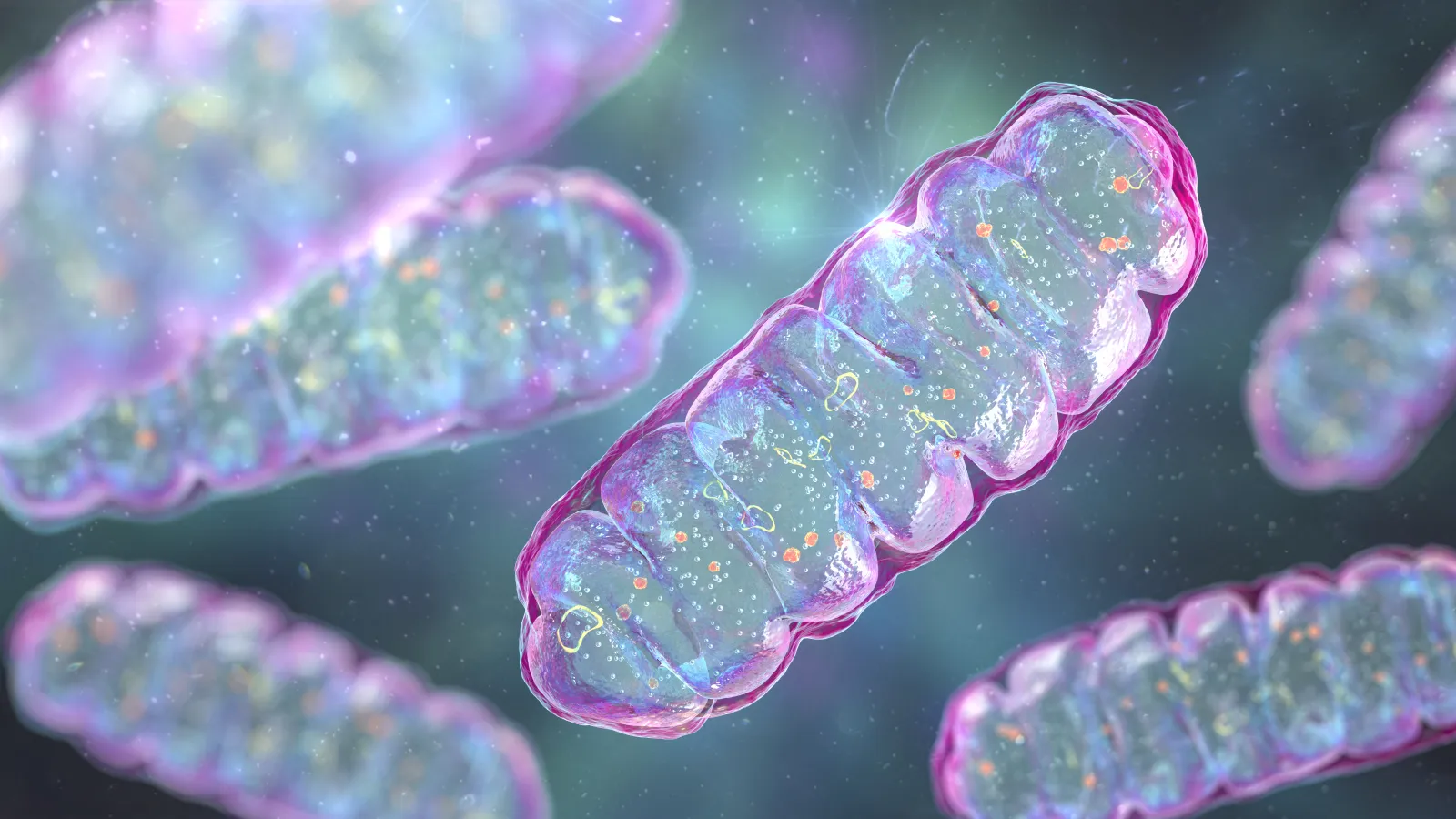 ...
...With mitochondrial decline linked to aging, heart disease and neurodegenerative disorders, enhancing the body's natural ability to replace worn-out mitochondria could fight these types of conditions or decline.
“Our study shows that nanomaterials can turn stem cells into mitochondrial ‘biofactories’ that deliver large numbers of healthy mitochondria to damaged cells,” Gaharwar told Newsweek.
“By restoring energy production and reducing oxidative stress, this approach has the potential to rejuvenate specific tissues affected by mitochondrial decline. It is not a general anti-aging therapy, but it may help reverse certain cellular consequences of aging where mitochondrial failure is a core driver.
“In neurodegenerative diseases like Alzheimer’s, improving mitochondrial health may slow degeneration or improve resilience, but it’s too early to claim that it could completely reverse complex diseases.”
Gaharwar added that the strongest applications will likely be in diseases where mitochondrial failure is a primary cause.
As human cells age or are injured by degenerative disorders or exposure to damaging substances like chemotherapy drugs, they begin to lose their ability to produce energy. As the number of mitochondria drops around the body, so does the health of the cells until they can no longer carry out their functions, the team explained.
To fight this issue, the researchers used a combination of tiny flower-shaped particles called nanoflowers and stem cells. When put together, the stem cells produced twice the normal amount of mitochondria.
“By enhancing the body’s own repair mechanisms, this nanomaterial-based method could pave the way for innovative therapies in regenerative medicine,” the study authors wrote in the paper.
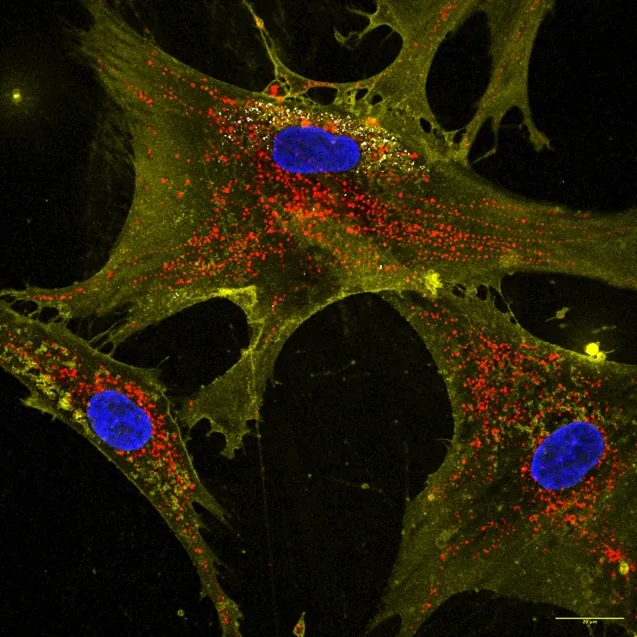
When the “boosted” stem cells were placed near damaged or aging cells, they transferred their extra mitochondria to their injured neighbors and previously damaged cells regained energy production and function.
The rejuvenated cells showed restored energy levels and resisted cell death even after exposure to damaging agents like chemotherapy drugs.
The nanoflower-boosted stem cells transferred two to four times more mitochondria than natural untreated ones.
"The several-fold increase in efficiency was more than we could have hoped for," said paper author John Soukar in a statement. "It's like giving an old electronic a new battery pack. Instead of tossing them out, we are plugging fully-charged batteries from healthy cells into diseased ones."
 ...
...Other methods to boost mitochondria in cells include medications, but they require frequent repeated doses because of their smaller molecules that are quickly eliminated from cells.
Larger nanoparticles, however, remain in the cell and continue promoting the creation of mitochondria to a greater extent, meaning therapies created from the technology may only require monthly administration.
In this case, the nanoparticles are made of "molybdenum disulfide," an inorganic compound capable of holding many possible two-dimensional forms at a microscopic scale.
“Stem cells naturally donate mitochondria as part of their reparative function. Our method amplifies this innate ability by increasing the stem cells’ mitochondrial supply, allowing them to transfer more mitochondria more efficiently. We’re enhancing a natural repair mechanism rather than creating a new one,” Gaharwar explained to us.
“In our models,” he added, “cells with established mitochondrial damage were repaired after receiving healthy mitochondria. This suggests the approach could work even after disease onset. Whether it remains effective many years into a chronic disease will depend on how many viable cells remain to rescue. Early or mid-stage disease is likely to benefit most.”
"You could put the cells anywhere in the patient," added Soukar. "So for cardiomyopathy, you can treat cardiac cells directly—putting the stem cells directly in or near the heart. If you have muscular dystrophy, you can inject them right into the muscle.
“It's pretty promising in terms of being able to be used for a whole wide variety of cases, and this is just kind of the start. We could work on this forever and find new things and new disease treatments every day."
Gaharwar said the next steps are animal studies to confirm safety, biodistribution and therapeutic benefit, followed by clinical trials if results are positive.
Do you have a tip on a health story that Newsweek should be covering? Do you have a question about regenerative medicine? Let us know via [email protected].
Reference
Soukar, J., Singh, K. A., Aviles, A., Hargett, S., Kaur, H., Foster, S., Roy, S., Zhao, F., Gohil, V. M., Singh, I., & Gaharwar, A. K. (2025). Nanomaterial-induced mitochondrial biogenesis enhances intercellular mitochondrial transfer efficiency. Proceedings of the National Academy of Sciences, 122(43). https://doi.org/10.1073/pnas.2505237122
Request Reprint & LicensingSubmit CorrectionView Editorial & AI Guidelines Add Newsweek as a preferred source on Google to see more of our trusted coverage when you search.
Recommended For You
 ScienceYour Butt Shape May Reveal Hidden Health Risks4 min read
 ScienceNasal Drops May Help Body Fight Deadly Brain Cancer5 min read
 HealthCOVID Vaccine Tech May Reduce Disabilities in Snakebite Victims4 min read
 ScienceWorld’s Oldest Pygmy Hippo Throws Birthday Bash With Delightful Twist3 min read
 ScienceSatellite Image Shows Volcano Awoken From 400-Year Slumber3 min read
 NewsThe Day AI Got My Clients7 min read
Related Podcasts
Top Stories
 WorldTrump Peace Plan: Ukraine Agrees To ‘Core Terms’, Russia Launches Major Attack—Live Updates3 min read
 NewsUncommon Knowledge: Trans Book Bans Often Backfire—On Their Creators5 min read
 NewsUncommon Knowledge: A Wicked Box Office Success and the US Movie Business5 min read
 NewsTrump Canceling GDP Report Comes Under Scrutiny3 min read
 Live BlogThanksgiving Travel Live Updates: Winter Storm Threatens Record Travel, Flight Tracker, Forecasts2 min read
 NewsFBI Interviewing Democrats Trump Has Called ‘Seditious’1 min read
Trending
 National Weather ServiceWinter Storm Alert Issued as 12 Inches of Snow Set To Hit3 min read
 Higher EducationFull List of Degrees Not Classed As ‘Professional’ by Trump Admin8 min read
 MoneyNew ‘Cash Law’ Could Change Grocery Store Rules3 min read
 LawsuitCampbell’s Soup VP Mocks ‘Poor People’ Who Buy Its Food in Secret Recording6 min read
 ThanksgivingHome Depot Responds to Thanksgiving Boycott5 min read
Opinion
 OpinionGOP Rep.: The U.S. Must Close Critical AI Chip Export Loophole Exploited by China | Opinion5 min read
 OpinionAgriculture Secretary: Giving Thanks to the American Farmer This Thanksgiving | Opinion4 min read
 OpinionFormer White House Middle East Envoy: What We Keep Getting Wrong About the UAE and Sudan | Opinion5 min read
 OpinionGovernment-Mandated Affordability—Music to Consumer Ears | Opinion6 min read
 OpinionConventional Wisdom: Ukraine Peace Plan Edition2 min read
