- O -0.72%
 Beth Gwinn / Getty Images
 As the world moves into the reality that baby boomers are continuing to retire en masse, it raises the question of what the best financial decision is on how to live during retirement properly. Even for non-baby boomers who are aging toward retirement, do you only have to adhere to the 4% rule, or can you explore other financial realities?
Quick Read
-
The Ramsey 8% withdrawal rule assumes 12% annual returns from stock-only portfolios but the S&P 500 averages closer to 10% over the last decade.
-
Dividend portfolios provide predictable income regardless of market direction without requiring share sales.
-
Generating $80K annually through dividends requires a blended 5-6% yield and a portfolio of $1.3M to $1.6M.
-
If you’re thinking about retiring or know someone who is, there are three quick questions causing many Americans to realize they can retire earlier than expected. take 5 minutes to learn more here
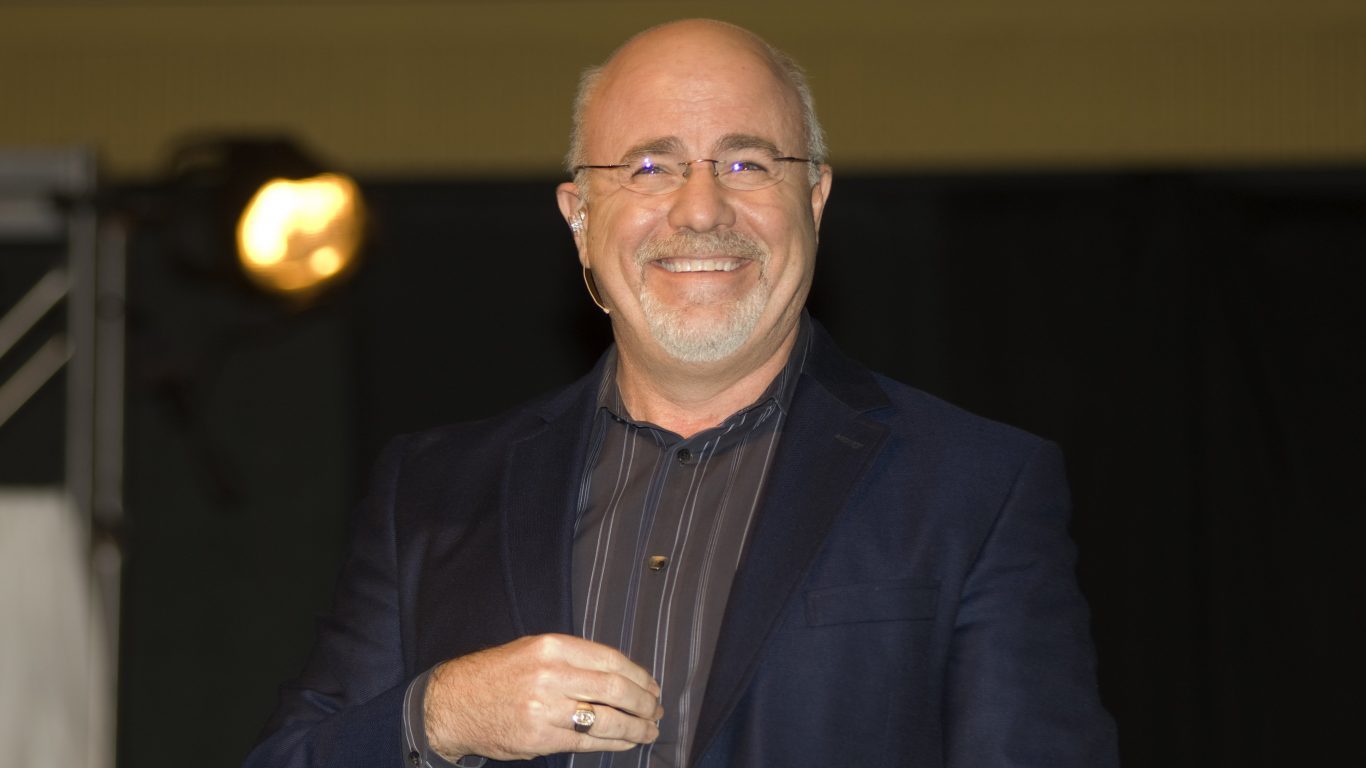
It won't come as much of a surprise to the world that there are plenty of baby boomers who carefully listen to Dave Ramsey and wholeheartedly believe the 8% rule could work for them. On the other hand, you also have a growing number of soon-to-be retirees who consider the divided world a better option for ensuring passive income and maintaining a comfortable lifestyle in retirement.
If you have to make a choice between the Dave Ramsey rule and a dividend strategy that provides regular income, how do you make the right choice?
The Dave Ramsey Retirement Rule
To really understand why Dave Ramsey's retirement rule has become so popular, it's worth taking a moment to examine what it is. For Dave's millions of followers and subscribers, his 8% rule is confident and motivating, but it assumes a lot about the stock market and, basically, a perfect financial world.
Ultimately, the Ramsey rule indicates that you should withdraw 8% per year from your portfolio while retired, adjusted for inflation, and the idea, or at least the hope, is that your money will last indefinitely. This sounds fantastic, at least on the surface, but the hiccup here is that it relies entirely on you having a portfolio of stock-only mutual funds that will reliably produce 12% on average in annual returns. It also assumes that the bulk of your portfolio, if not 100%, is invested in equities, meaning no bonds or cash liquidity.
For the most part, financial planners call Dave Ramsey's plan too optimistic, as the S&P 500 averages closer to 10% for the last 10 years, and that's before you get into fees and inflation. In other words, if you are pulling out 10% annually, you could be awfully close to the line of concern about having enough to last, and if it's a really down-market year, you might end up at a disadvantage with compounding down the road.
Story continuesIt's for these reasons that the dividend conversation has grown exponentially over the years.
The New Dividend Reality: Cash Flow Over Predictions
If you have been following the retail investing world or even Reddit, you're likely already familiar with the idea that dividends are helping retirees and soon-to-be retirees build portfolios that pay out.
The reason this idea is so appealing to so many is that it really doesn't matter if the market goes up or down, the dividends are still acting as passive income, and they hit your bank accounts every month or quarter without fail. It's hard to beat the knowledge that no matter what, you are going to wake up one morning and see a dividend deposit. This is the kind of financial safety we can all get behind.
With dividends, you have this new reality that allows anyone and everyone to generate predictable income without having to sell any shares, which is a requirement under Dave Ramsey's retirement rule. You can also create a portfolio on your own or with a financial planner who can build an inflation-resistant income stream and benefit from dividend growth over time.
Ultimately, dividends are going to allow retirees to better choose their risk level, diversify across more sectors, and blend yield and growth together.
Dividend Income In Practice
Let's assume, for a minute, that you want to build a dividend portfolio that includes established, well-known dividend names. You can start with a list of four popular investments to help create a portfolio that's ready for retirement.
Schwab U.S. Dividend Equity ETF
The very popular Schwab U.S. Dividend Equity ETF (NYSE:SCHD) is one of the most respected high-dividend ETFs available now. There is a reason why it's a favorite among investors, and with a dividend yield of around 3.83% and an annual dividend of $1.03, you have a steady income that pays out every quarter.
Vanguard High Dividend Yield ETF
The Vanguard High Dividend Yield ETF (NYSE:VYM) is another popular ETF that offers broad diversification and reduces dependence on a single sector. The 2.53% dividend yield and annual dividend of $3.52 are a reliable passive income strategy.
JPMorgan Equity Premium Income ETF
The JPMorgan Equity Premium Income ETF (NYSE:JEPI) is another standout choice with a whopping 8.41% dividend yield and a $4.72 annual dividend, making it one of the most attractive elements of a new dividend-focused portfolio.
Realty Income
The lone stock in a portfolio really worth considering among popular ETFs is Realty Income Corporation (NYSE:O), which adds 5.68% dividend yields and a $3.23 dividend. It's hard to find a more inflation-resistant stock to add to a portfolio that will provide consistent income.
The challenge with dividends, as attractive as they are, is that to generate around $80,000 annually, you would need a blended yield of 5-6% and a portfolio of $1.3-$1.6 million.
What This Means for Investors
Ultimately, there is no "right" approach for investors, and this isn't to say that you have to go all-in with Ramsey's style and his 8% retirement rule. For most investors, the dividend-focused strategy is the better choice with a steady income floor, less dependence on market performance, and the ability to reinvest and grow income over time. You can also use dividends to dial up or down your risk level, depending on your life circumstances. The Dave Ramsey rule might motivate people to invest early, but the new dividend reality gives retirees something that Dave Ramsey's rule may not, and that's control.
The New Report Shaking Up Retirement Plans
You may think retirement is about picking the best stocks or ETFs, but you’d be wrong. See even great investments can be a liability in retirement. The difference comes down to a simple: accumulation vs distribution. The difference is causing millions to rethink their plans.
The good news? After answering three quick questions many Americans are finding they can retire earlier than expected. If you’re thinking about retiring or know someone who is, take 5 minutes to learn more here.
Terms and Privacy Policy Privacy Dashboard More Info